#1

Night Drive
Pumping side-chain compression carries this entire release. The kick sits right around fifty hertz, knocking hard enough to rattle your rear-view mirror if your crossover isn't dialed in clean. You get those classic gated snares swimming in lexicon style digital decay, but the synth bass carries the true weight. It hugs the lowest octaves without turning into absolute mud. Turn it up in the car and listen to the sub-bass breathe between each downbeat pulse.
#2

Galactic Melt
Seth Haley’s kick-drum processing on this 2011 record abuses aggressive tape saturation. The low end acts like thick molasses pushing against heavy bus limiting. Every time that downbeat drops, the ducking pulls the synth pads straight through the floor. Your subwoofers have to recover fast to handle the decay on those thick Oberheim bass patches. The snare transient cuts through like a razor blade over all that gooey low-mid frequency weight. It is pure analog sludge done right.
#3

Immunity
The bottom end on this 2013 LP exposes bad acoustic treatment instantly. Hopkins builds sub-bass lines out of distorted sub-oscillators and mechanical foley that peak right around forty hertz. You can feel the air pressure shifting inside the cabin during the heavier rhythm passages. Meanwhile, the kick drums have an insane amount of top-end click layered over pure low-frequency punch. If your trunk rattles on the title cut, your amplifier is definitely choking on the dynamics.
#4

Kiss Land
Everyone raves about the vocal tracks, but the low end mixed here is ridiculously menacing. The engineering team scooped out all the mud between two hundred and five hundred hertz to let the 808 bass boom without masking Abel’s vocal chain. You get cavernous digital delays bouncing across the stereo field while the lowest octaves stay locked dead mono. Push the volume knob past noon and those kicks will test every single screw in your car door panels.
#5

Crooks & Lovers
This record proved bedroom producers could out-engineer big commercial tracking studios using just smart sample placement and filtration. Mount Kimbie kept the low subs separated from the percussion transients with surgical high-pass filters. The sine waves hum down in the thirty-five hertz basement, giving your car cones a workout without crowding the dusty field recordings up top. It is lean, dry, and brutally punishing on speakers that try to fake their low-end response with cheap mid-bass boosts.
#6

Luxury Problems
Stott mixes like he wants to destroy voice coils. The sub frequencies on tracks like 'Numb' rumble violently, displacing actual air through thick, overdriven processing. He drags tempo down to a crawl so each distorted kick drum can ring out for seconds without overlapping. The vocal chops float in the high mids, soaked in pitch shift artifacts, completely untethered from the low-frequency assault below. Your car suspension will feel this pressure before your ears do.
#7
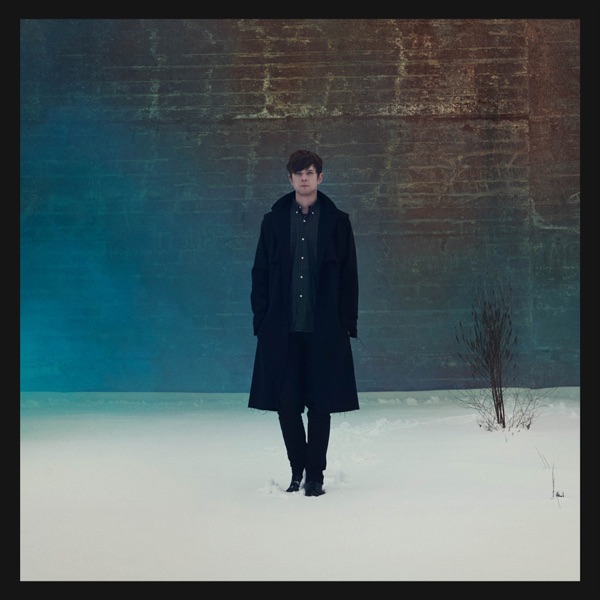
Overgrown
If you want to find out whether your subwoofer installation has phase cancellation problems, throw on 'Retrograde'. Blake understands the discipline of empty space in an arrangement. He leaves wide-open headroom for a pure, undistorted sine wave to sweep underneath his close-mic vocal take. There are zero competing mid-bass instruments cluttering the mix bus. When that low octave drops, it hits with total acoustic clarity, shaking the seats while keeping the high frequencies silky and quiet.
#8
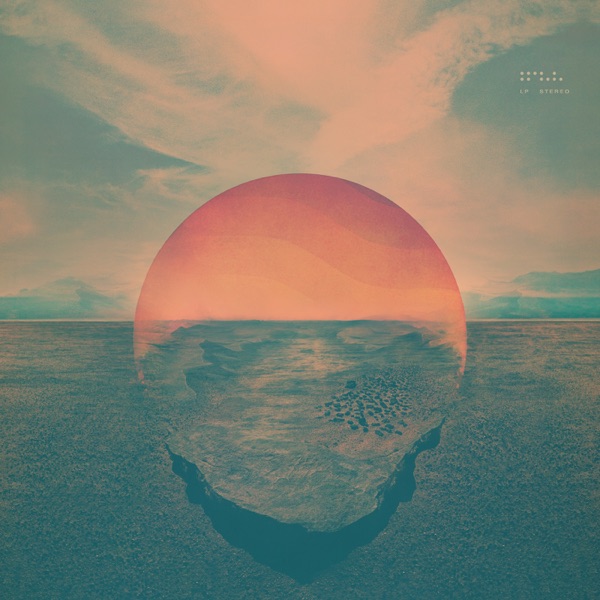
Dive
Scott Hansen dialed in one of the warmest analog low ends of the 2010s. The bass guitar tracks sound like they went directly into vintage Neve preamps before meeting smooth tape compression. The kick drum avoids aggressive modern click, offering instead a round, pillowy thump centered at sixty hertz. It never overpowers the lush chorus guitars, but it locks the bottom end down tight. If your car system sounds harsh here, blame your tweeters, not Hansen's console.
#9

There Is Love in You
Kieran Hebden balanced micro-percussion against heavyweight low end better than almost anyone in 2010. The kick drum on 'Love Cry' has a hyper-focused transient, punchy and dry, riding above an undulating sub bass that stays completely disciplined. He refuses to clutter the four-on-the-floor pulse with excessive reverb or muddy distortion. In a vehicle with a properly tuned sub, the low frequencies feel kinetic and precise, leaving acres of room for harp arpeggios to dance across the dash.
0 / 9