#1
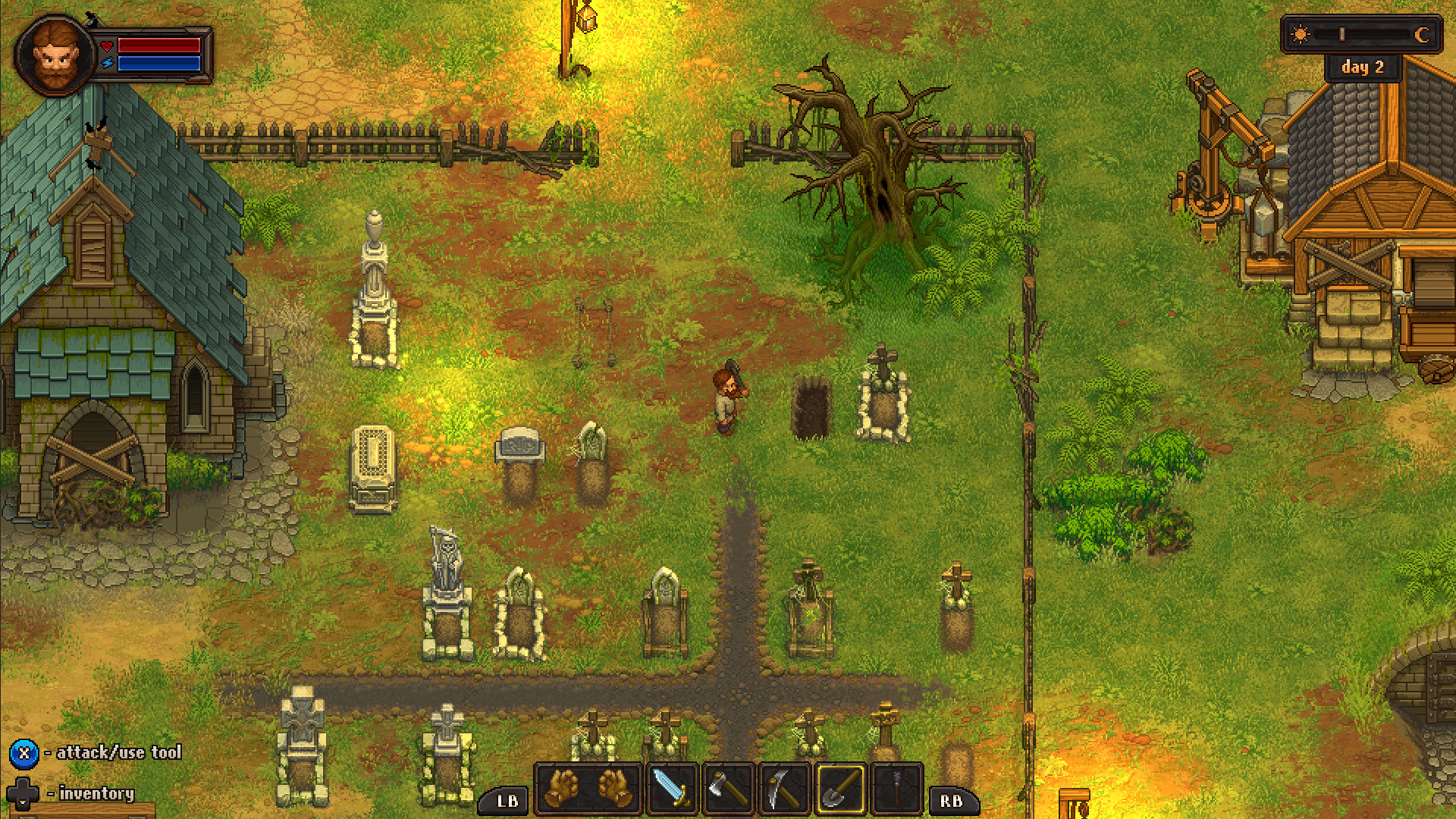
Graveyard Keeper
Lazy Stardew clones hand you profit on day one. Lazy Bear dropped this labyrinthine mess in 2018 and refused to explain corpses rotting on your gurney. You balance autopsy organ harvesting, alchemy tables, theology tech trees, and blue point starvation. The pathing friction is brutal, but optimizing your layout and automating chisel production with zombie labor actually demands spreadsheet discipline. No quest markers tell you how to distill embalming fluid. You solve the logistical bottleneck yourself.
#2
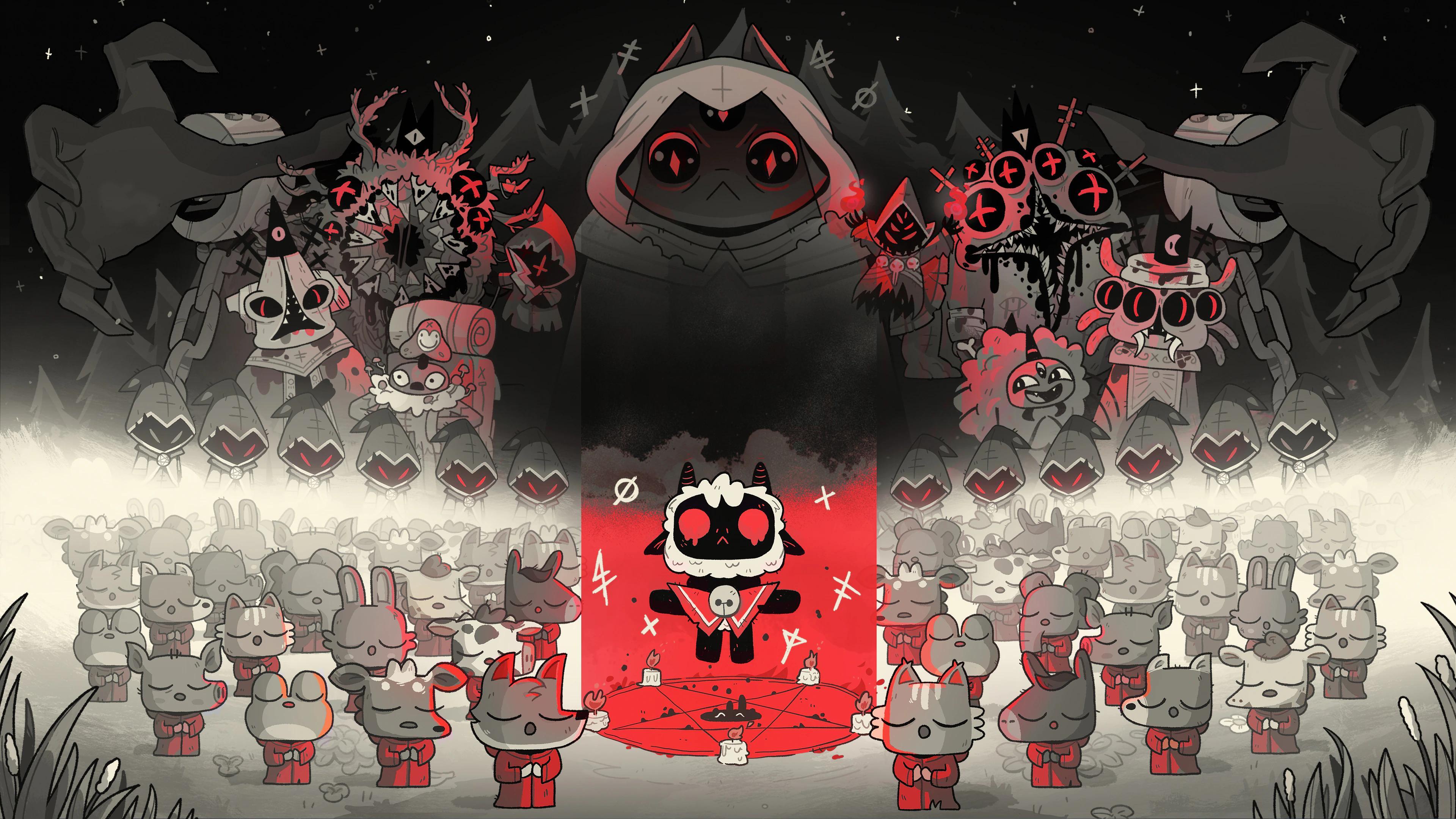
Cult of the Lamb
People saw cute critters and expected fluff. In reality, the 2022 base game demands split-second dodge-roll discipline in the crusades while your base management clock actively ticks down. Roll-canceling weapon recoveries separates survivors from corpses. Back home, resource math gets tight fast; one bad sermon cycle or a bout of dysentery completely tanks your faith meter. You juggle spacing against bullet-hell bosses with high-tier doctrine optimization. It respects your twitch reflexes and your administrative efficiency.
#3

Strange Horticulture
No waypoint arrows. No glowing outline telling you which leaf cures insomnia. Bad Viking gave us an identification puzzle built around cross-referencing field guide botany against cryptic customer symptoms. You physically inspect petal counts, leaf veins, and label each drawer manually. One incorrect venomous belladonna handoff ruins a client. The mechanics rely strictly on your own deductive powers, map grid parsing, and meticulous organizational hygiene. It treats your working memory like an actual tool instead of coddling it.
#4
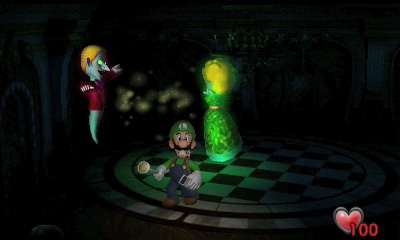
Luigi's Mansion
Nintendo actually built an analog twin-stick control scheme back in 2001 that punished sloppy directional inputs. Snaring portraits requires baiting lunges, popping a flashlight stun, and aggressively wrestling the C-stick opposite the ghost's pull vector to drain HP counters. The vacuum physics have real drag; missing your angle breaks the tether instantly. Modern sequels softened the mechanical friction to death, but this launch title kept mansion rooms hostile, dark, and ruthlessly stingy with your health pool.
#5
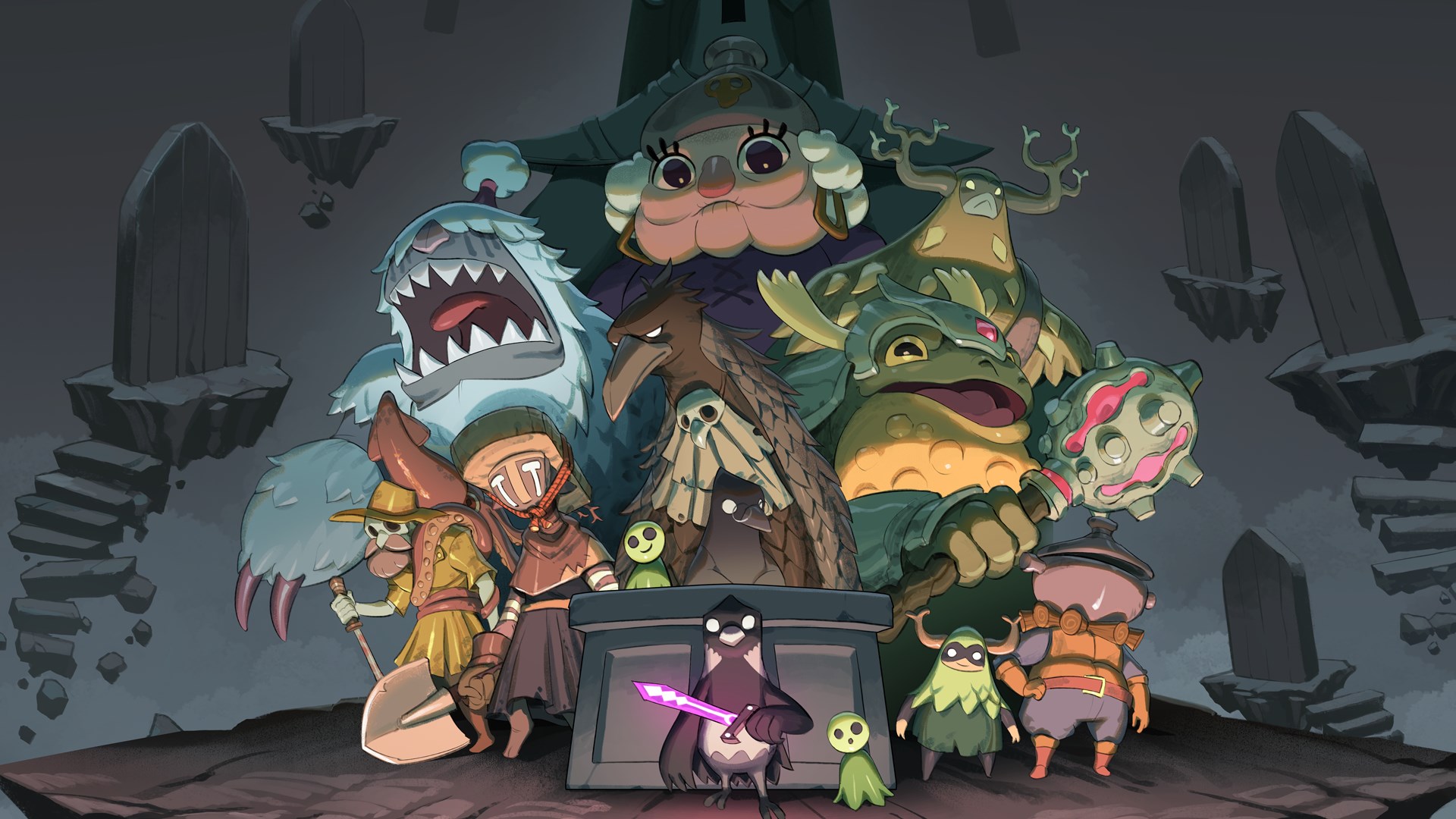
Death's Door
Acid Nerve stripped isometric action down to the iron fundamentals. Your four-hit sword combo locks your position, meaning commit errors get you flattened by Betty's slam radius. You manage tight i-frame dodges and build ranged charges solely through clean melee connections. Magic regeneration insists on aggressive, point-blank trades against unforgiving boss hitboxes. There is no minimap cluttering your screen, no modern yellow paint marking mantling ledges, and zero mercy for players who spam the roll button.
#6
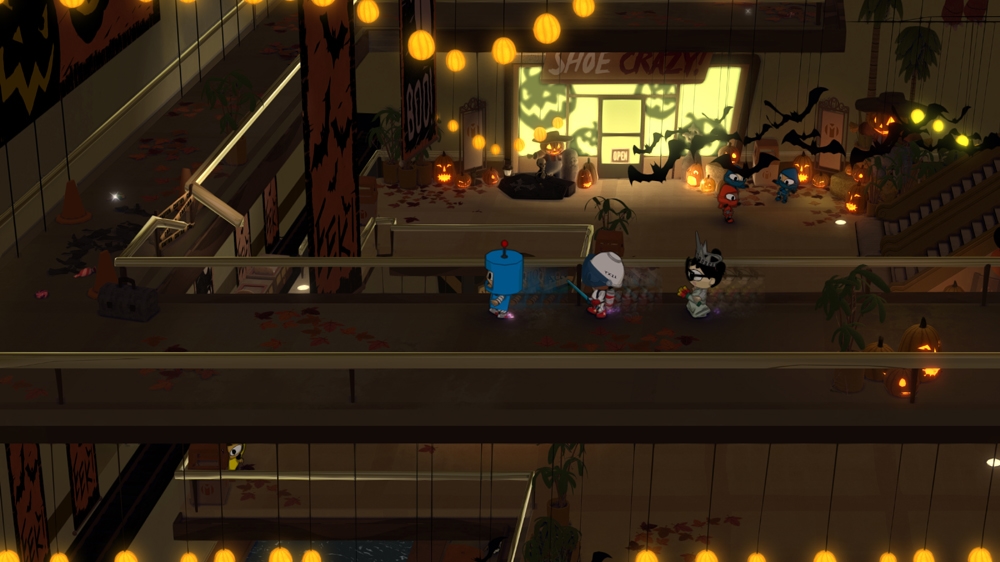
Costume Quest
Double Fine stripped the bloat off turn-based JRPGs and left pure timing execution. Every basic attack requires landing timed button presses, and missing your active defensive prompts chunks half your health bar against neighborhood monsters. Mod stamp slots force deliberate party synergy: you weigh area-of-effect stuns against single-target armor piercing. It moves fast, keeps trash mob fights snappy, and never pauses every three paces to bore you with an unskippable tutorial explaining how basic turn orders function.
#7
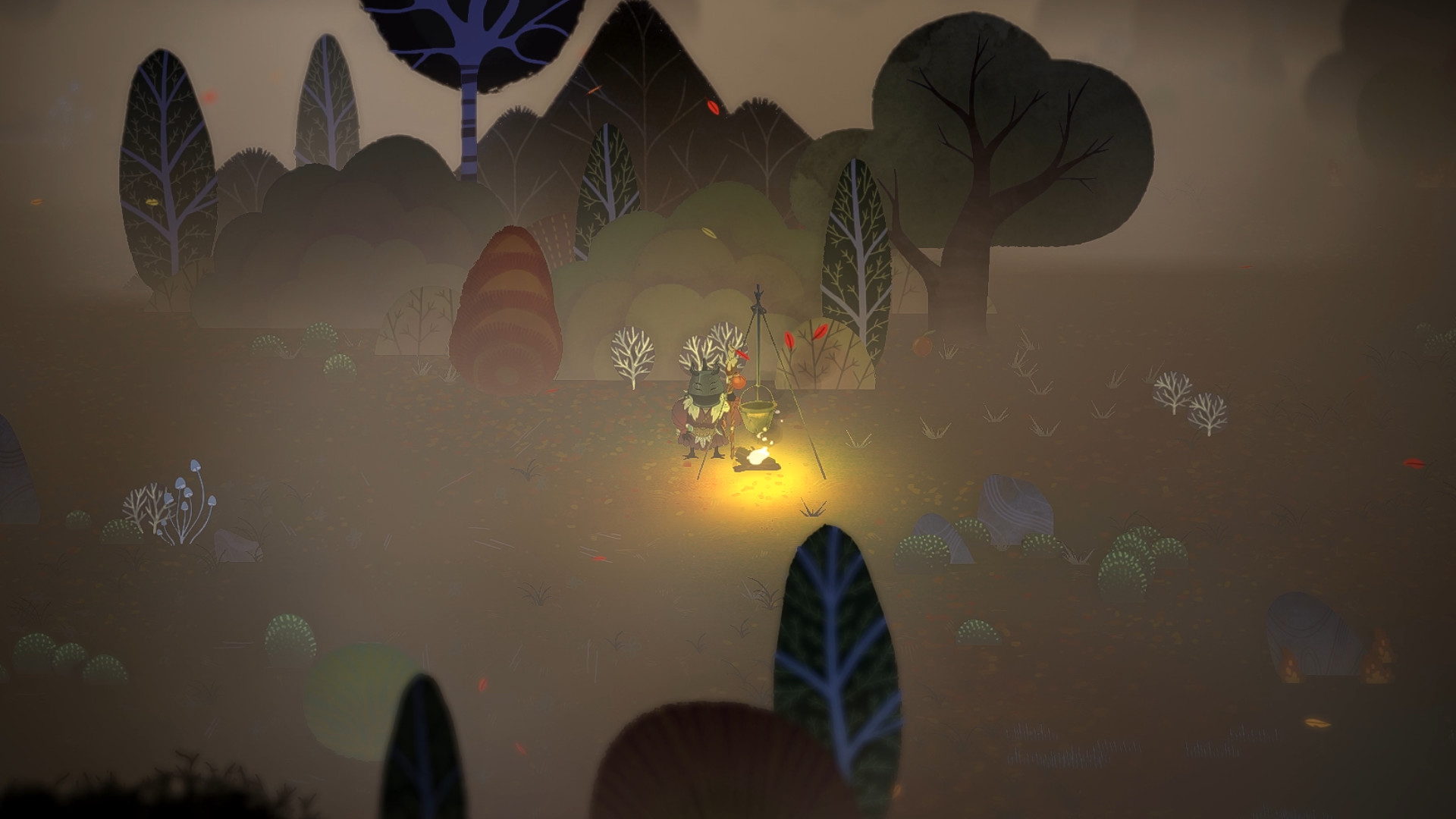
Wytchwood
Alientrap skips combat entirely to deliver a pure, aggressive crafting loop. You hunt woodland vermin not by bashing them, but by crafting specific bait, traps, and alchemical curses. Every target is an execution puzzle: examine weaknesses, backtrack through biomes, and gather reagents without any hand-holding radar beacons. The inventory economy is relentless, demanding constant triage between tallow candles and soothsaying charms. You spend your hours optimizing harvesting routes and executing clean traps. It earns its quiet, grim rhythm.
#8
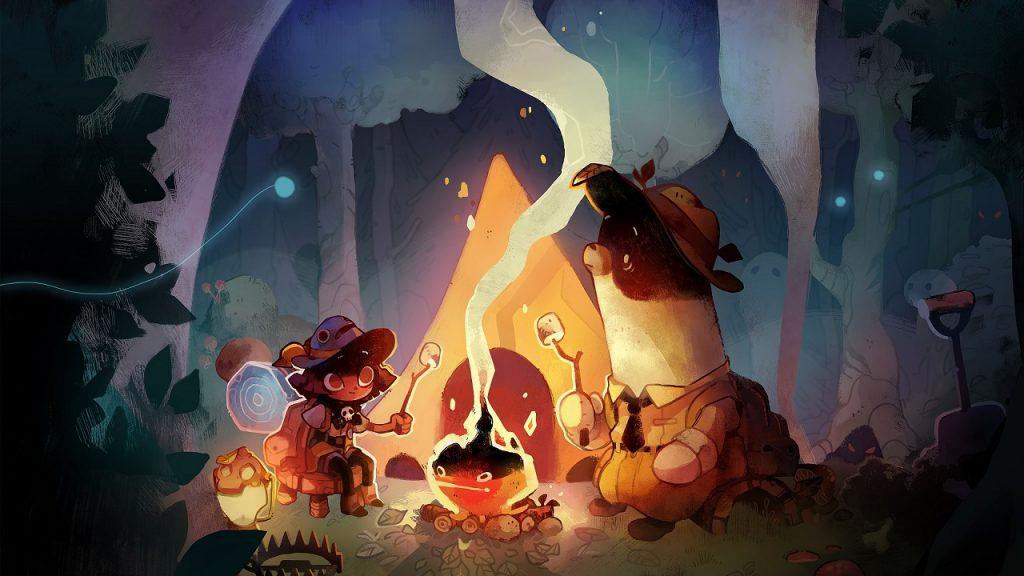
Cozy Grove
Spry Fox built this around brutal real-time lockouts and absolute reliance on player visual tracking. You scour monochrome backdrops looking for hidden salvage without breadcrumb trails holding your hand. Every spirit bear demands multi-day logistical planning, forcing you to budget spirit wood, burn fruit for tincture, and maximize resource yield through camp decoration synergy. If you botch your daily farming routes or mismanage your coin balance, the game simply shuts down and makes you wait until tomorrow.
#9
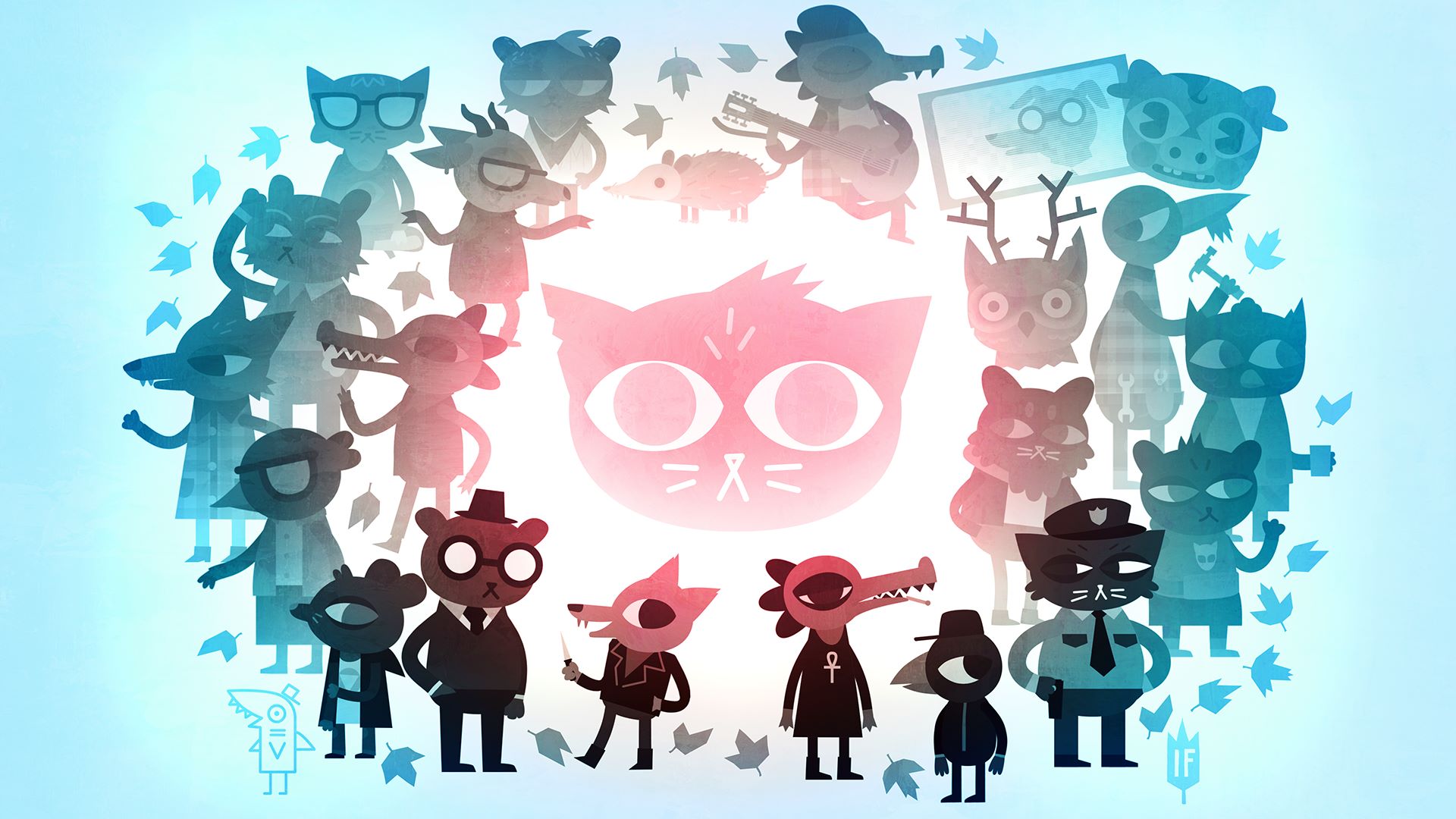
Night in the Woods
Strip out the town aesthetic and you find precision platformer bones that punish poor timing. Mae's physics have genuine, hefty downward momentum; hitting powerline hops requires exact apex jumps and triple-jump triple-bounces. Even the bass guitar minigames enforce unforgiving input windows without input leniency. Infinite Fall refuses to baby you with quest logs. You learn Possum Springs purely through internalizing neighborhood geography, physical routing routines, and memorizing NPC daily operational schedules through raw repetition.
0 / 9