1 / 8
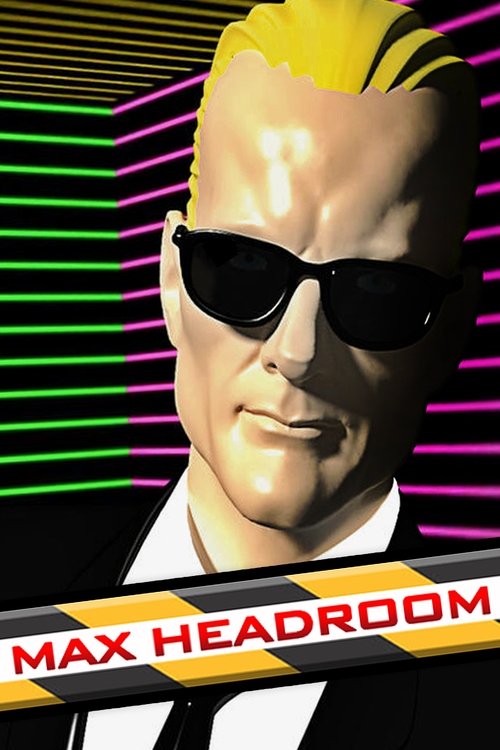
1. Max Headroom
This wasn't just some glossy future; it was a glitchy, neon-soaked fever dream that felt more real than the evening news. Max himself, a stuttering, smirking AI construct, was a practical effects marvel, a digital punk rock icon born from a TV crash. The show nailed corporate greed and media saturation before most people even understood what a byte was. It was chaotic, stylish, and deeply unsettling, and it probably warped my perception of reality more than any other signal on the airwaves.
2 / 8
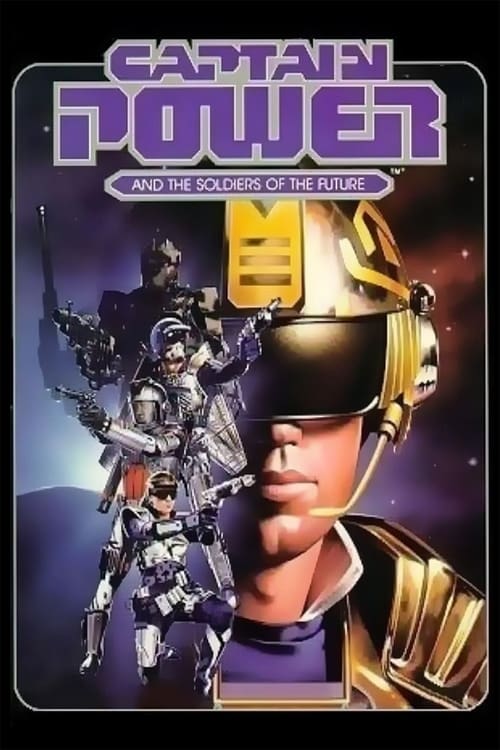
2. Captain Power and the Soldiers of the Future
Man, this show was bleak for a kid's program. It was all about humanity fighting sentient machines in a post-apocalyptic wasteland, with some seriously ambitious, if clunky, early CGI for the robot villains. And you could shoot at your TV with a toy gun for interactive gameplay! It was a bizarre, daring experiment in storytelling and technology, pushing the boundaries of what syndicated sci-fi could be, even if the acting was a little stiff.
3 / 8
3. The Hitchhiker
HBO was doing some wild stuff before it was HBO. This anthology series was pure late-night cable sleaze, a dark, unsettling ride with a mysterious hitchhiker narrator guiding you through tales of desire, betrayal, and consequence. It was adult, gritty, and always had a twist that stuck with you long after the credits rolled. Not exactly family viewing, but it taught you that TV could be dangerous and unpredictable, a real shot in the dark.
4 / 8
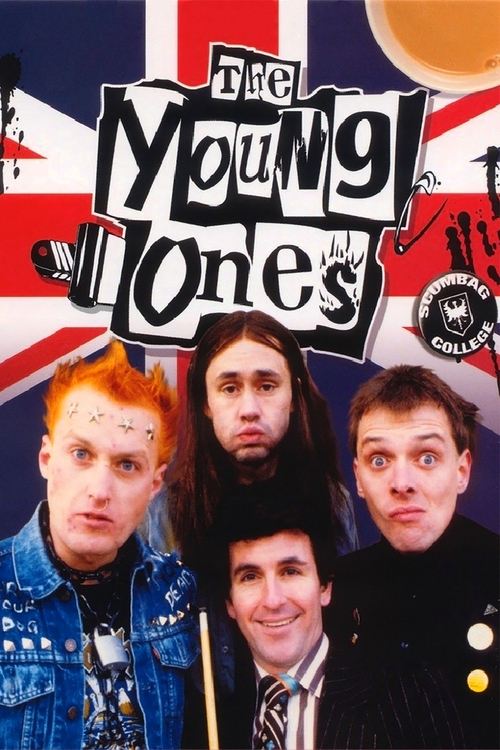
4. The Young Ones
This British import was an absolute explosion of anarchic energy. Four completely unhinged students, a talking hamster, and a constant stream of surreal gags and slapstick violence. It was punk rock in sitcom form, breaking every rule of television comedy with a sledgehammer. The cuts were jarring, the humor was dark, and the whole thing felt like a glorious, glorious mess that made everything else on TV look hopelessly bland.
5 / 8
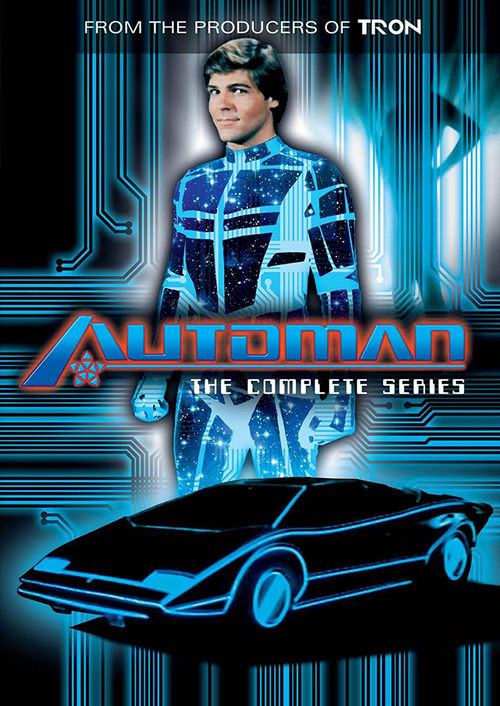
5. Automan
Okay, this was peak 80s neon sci-fi. A cop creates a holographic artificial intelligence that can jump out of the computer and fight crime, turning into a glowing, polygonal hero. The light-cycle effects were straight out of *Tron*, achieved with practical effects and clever lighting. It was goofy, sure, but the visual style was iconic, a perfect blend of early digital aspirations and analog craftsmanship. Pure, unadulterated, glowing fun.
6 / 8
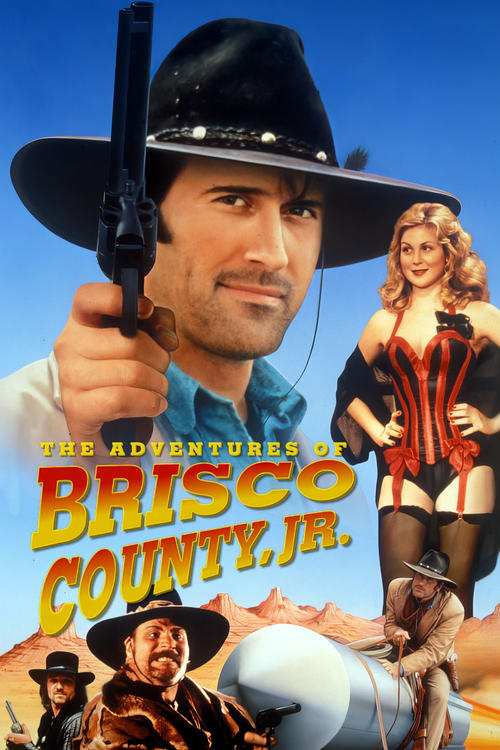
6. The Adventures of Brisco County, Jr.
A sci-fi western with Bruce Campbell as a Harvard-educated bounty hunter chasing futuristic artifacts? Yeah, this was ahead of its time. It was quirky, self-aware, and packed with that specific Bruce Campbell charm. The show mixed adventure, comedy, and genuine weirdness, creating a world that felt both familiar and completely alien. It was too smart and too strange for network TV then, but it built a loyal following that understood its genius.
7 / 8

7. Forever Knight
A vampire cop in Toronto, struggling with his immortality while fighting crime and his own internal demons. This syndicated gem was a gothic, neon-soaked neo-noir. It had that moody, melancholic vibe, blending supernatural angst with gritty police work. The flashbacks to his past lives were often more compelling than the case of the week, adding a soap-operatic maximalism that made it addictive viewing. Underrated, atmospheric, and utterly unique.
8 / 8
8. Red Dwarf
A slovenly space bum, a hologram of his dead bunkmate, a genetically engineered cat-human, and a neurotic service mechanoid, all stranded three million years from Earth. This British sci-fi sitcom was a masterclass in making do with a shoestring budget. It was hilarious, smart, and surprisingly philosophical, building a universe out of sheer wit and character chemistry. It proved you didn't need big effects to tell incredible, mind-bending stories.