

#1

South Park
Trey Parker and Matt Stone spent eighteen seasons resetting the board every Wednesday night before staging their boldest mid-career pivot. Season nineteen embraced hard continuity, tracking PC Principal, gentrification, and online trolling across multi-episode blocks. Actions suddenly had consequences in Colorado. Cartman stayed changed across full runs; Randy Marsh ran an actual agricultural empire for years. South Park stopped tossing off weekly reset buttons and built a lingering, interconnected satire that treated serialized world-building like genuine prestige drama.
2 critics · 3 lists →
#2
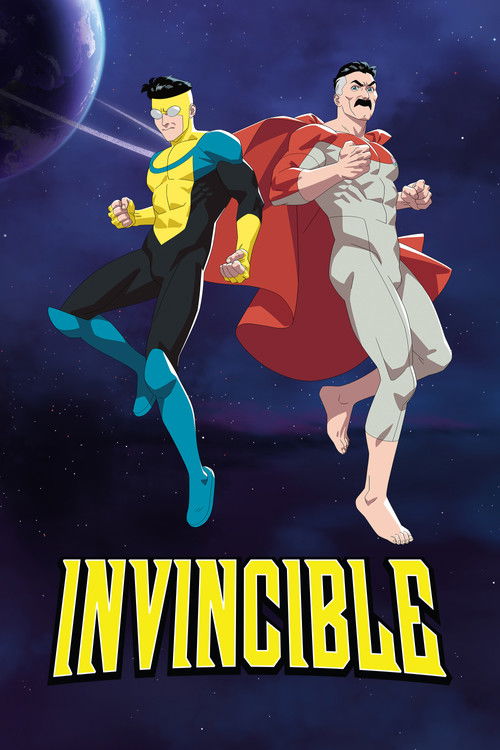
INVINCIBLE
Robert Kirkman treats superhero pacing with the discipline of peak-era cable drama. The pilot's closing slaughter is a seismic cold open, rewiring the entire story into a paranoid countdown. Mark Grayson never gets clean episodic resets; his physical and emotional trauma from the season one finale reshapes every subsequent arc. Subplots simmer across extended stretches, balancing galactic dread against street-level grief. The writing respects the long game by making every brutal clash permanently alter the ensemble.
#3
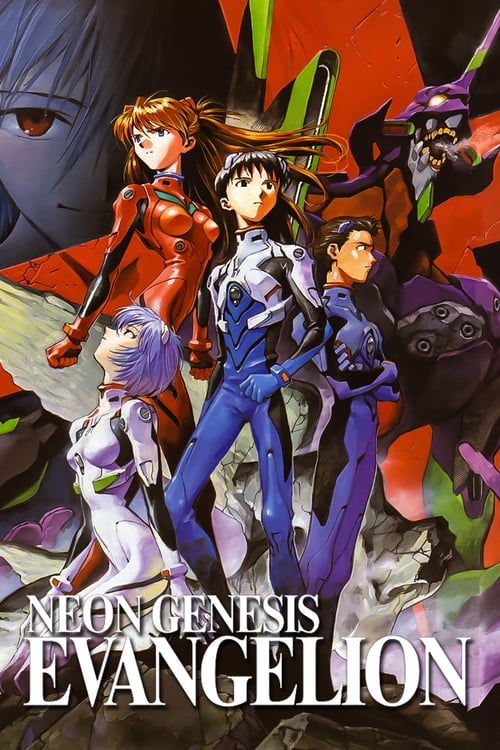
Neon Genesis Evangelion
Hideaki Anno’s twenty-six episode run is the definitive study in architectural deconstruction. What starts as a standard mecha premise quietly rots from the inside out. Shinji Ikari’s mid-season battles stop offering catharsis and start systematically dismantling his psyche. The sudden pivot in episode sixteen signals a descent where secondary pilots unravel, secrets curdle, and the budget strain produces a radical, inward-facing finale. Every mech deployment functions as an emotional audit, earning an unforgettable conclusion through sheer psychological rigor.
2 critics · 2 lists →
#4

Animals.
Phil Matarese and Mike Luciano pulled off a brilliant structural trick across three seasons on HBO. While the foreground belonged to neurotic, improvised conversations between rats, pigeons, and roaches, the background carried a grim, serialized human conspiracy. Season arcs traced corrupt city politics, reporter investigations, and a lethal contagion that emptied New York City. The animal sketches felt casual, but the macro-narrative was meticulously plotted, culminating in a chilling post-apocalyptic third season that reaped every thematic seed.
#5

Fired on Mars
Nick Vokey and Nate Sherman engineered a slow-motion existential collapse across eight airtight episodes. When graphic designer Jeff Cooper gets downsized on an off-world corporate colony, the show refuses quick sitcom punchlines. Instead, it commits fully to a bleak workplace arc. Each episode ratchets up the psychological pressure, pushing Jeff through corporate purgatory, aimless counter-culture movements, and bureaucratic isolation. The narrative earns its strange, melancholic finale by treating its sci-fi premise as an uncompromising character study in obsolescence.
0 / 5