
#1

Dopethrone
Mark Greening’s kit on this 2000 press sounds like someone parked a pair of overhead mics inside a blast furnace. Most mixers would high-pass those down-tuned guitars to give the kick breathing room around sixty hertz. Here, the engineer said screw headroom and let the fuzz slam straight into the stereo bus. That snare cuts through pure clipping distortion with a boxy, hollow crack. You can practically hear the analog tape screaming for mercy.
#2

Take As Needed For Pain
Tracking this 1993 cut must have pushed every mic preamp to the verge of catastrophic meltdown. Joey LaCaze’s snare has a raw, metallic ring that completely ignores studio polish, cutting through layers of swampy, feedback-drenched cabinet noise. The kick stays thick and muddy, sitting flat in the low-mid frequencies where modern engineers would normally carve out clutter. It works because the room bleed provides honest decay. The entire drum bus feels violently slammed with zero clean headroom.
#3

When the Kite String Pops
Tommy Viator’s kit on this 1994 release hits with dry, upfront brutality. Sludge mixes usually bury drums under muddy walls of fuzz, but this desk kept the transients sharp and abrasive. That snare crack bites right through the midrange like an aggressive rimshot on an old marching drum. You hear the kick push the low end hard without needing sub-bass synthesis or fancy side-chain ducking. It sounds like live tracking in a damp warehouse, raw and unfiltered.
#4

Through Silver In Blood
The percussion balance across this 1996 monster breaks standard mixing rules in the best way possible. Instead of tucking tribal floor toms behind guitar stacks, the desk places them front and center. Jason Roeder hits with immense physical force, and you hear the room mics flexing under extreme acoustic pressure. There is no trigger replacement smoothing out the transients here. Every hit pumps the compression bus, creating a suffocating, dense wall of reverberant concrete and iron.
#5

Dopesmoker
Chris Hakius plays behind the beat with insane discipline, and this 2003 mix captures every drop of weight. Engineers often over-compress doom drums, turning cymbals into white noise wash. Here, the ride cymbal bell cuts cleanly across an ocean of green Matamp cabinets. The kick drum acts like a blunt physical mallet, hitting right around fifty hertz to rattle subwoofers without muddying the bass guitar. It is patient, spacious, and mechanically heavy from start to finish.
#6
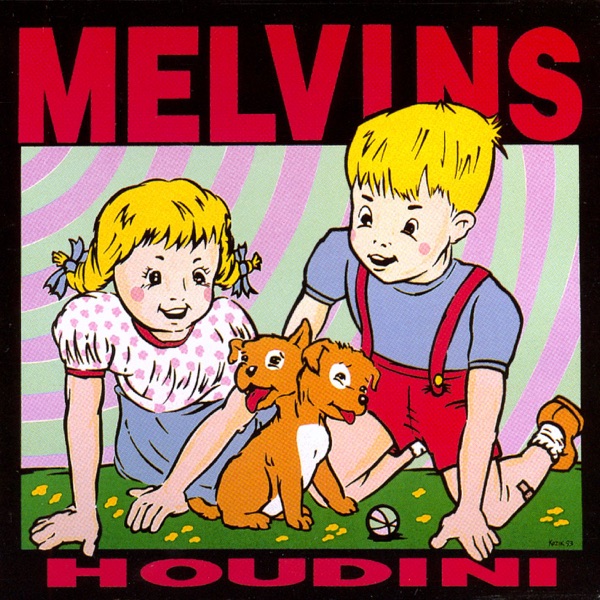
Houdini
Dale Crover is the undisputed king of drum velocity, and this 1993 record proves it within three seconds. Kurt Cobain and the desk crew gave that snare drum astronomical dynamic headroom. Each hit sounds like a gunshot fired inside an empty stairwell, bursting with woody ring and punchy attack. The floor toms carry immense acoustic weight, completely avoiding the muffled cardboard tone plaguing other grunge-era mixes. If you want proof that mic placement beats sample replacement, play this loud.
#7

Nightfall
Eighties metal production frequently suffered from gated reverbs that thinned out the rhythm section, but this 1987 mix dodged that trap. Jan Lindh’s kick drum hits with dry punch, anchoring the operatic guitars with genuine low-frequency thud instead of clicky plastic highs. The snare carries a generous dose of outboard digital reverb, yet the decay gate closes cleanly before cluttering the groove. It drives the slow tempos forward with massive, majestic, cathedral-sized low-end authority.
#8

Watching from a Distance
Christian Leitch understands restraint behind the kit, and this 2006 mix treats his cymbals with delicate precision. When the tempo drops below forty BPM, sloppy drum tracking falls apart instantly. Here, the engineer dialled in a warm, unhyped room sound where every snare rimshot decays into open space. There is zero click on the kick drum, just a round, pillowy low-end thud that locks directly to the bass guitar. It feels painfully human and heavy.
0 / 8