#1
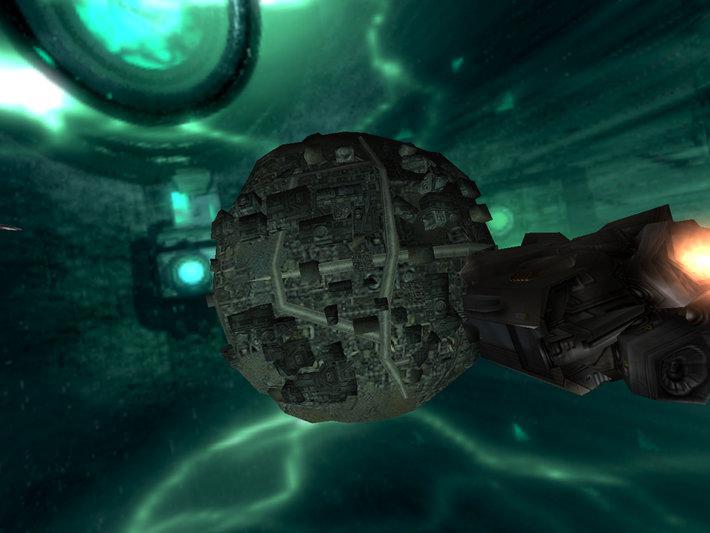
Anachronox
Ion Storm's Anachronox arrived in 2001, a curious hybrid blending Western RPG exploration with JRPG turn-based combat. Its genius lay in its audacious narrative, following a down-on-his-luck detective across a crumbling, vibrant galaxy. The game dripped with personality, from its bizarre companions to its self-aware humor, often outshining its dated graphics and engine quirks. It was an ambitious, flawed gem, a true testament to creative vision pushing technical boundaries, and a narrative experience few games have matched since.
4 critics · 13 lists →
Play onGOG
#2
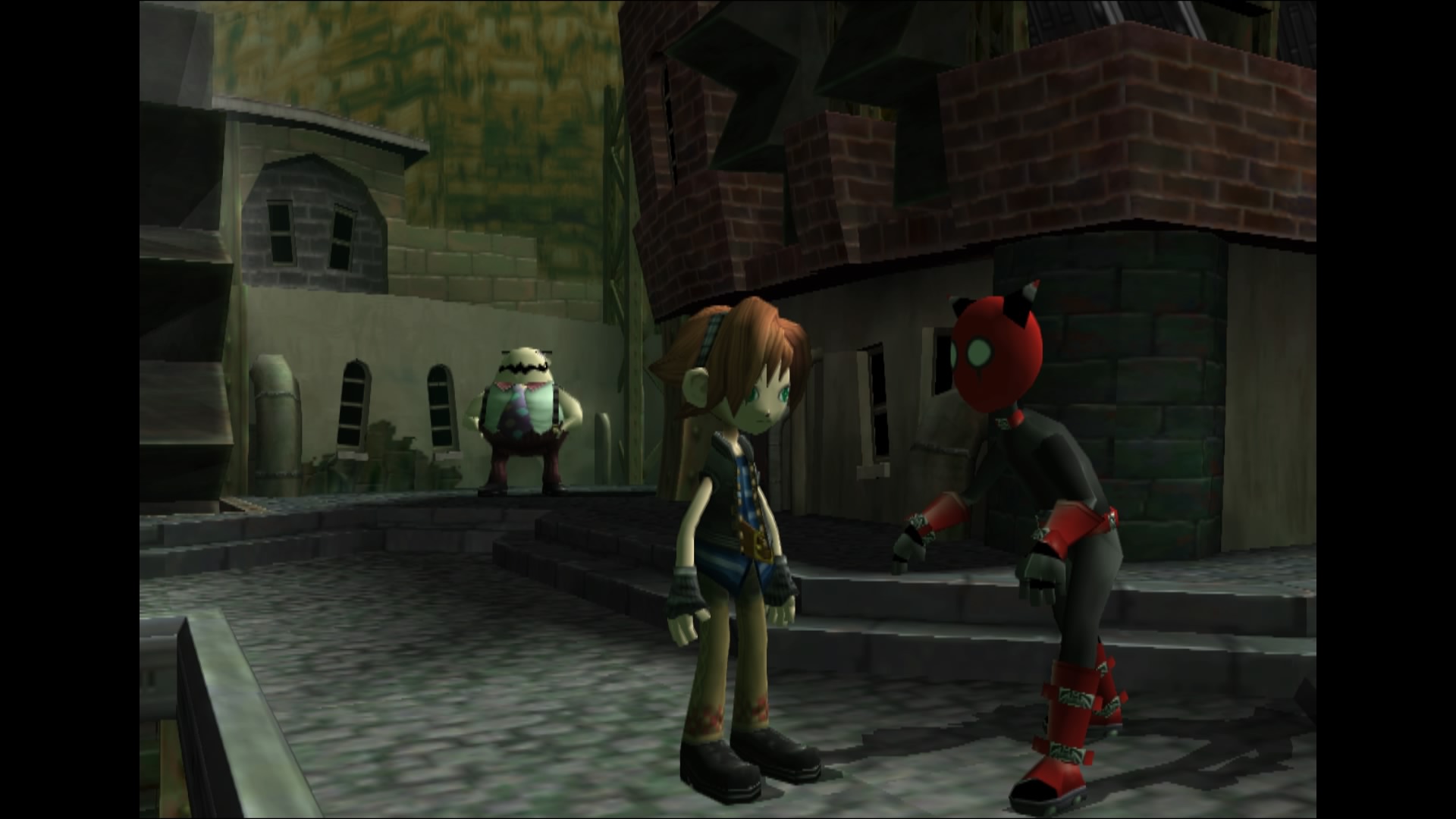
OKAGE: Shadow King
OKAGE: Shadow King, a 2001 PlayStation 2 JRPG, possessed a remarkably distinct visual identity, leaning heavily into noir-esque shadows and exaggerated character designs. It told the tale of a boy whose shadow was replaced by an arrogant demon, forcing him into a reluctant quest. The game's charm stemmed from its dry wit, subversion of typical JRPG tropes, and memorable cast. While its combat could feel a touch repetitive, the unique aesthetic and narrative voice solidified its place as a cult classic, often overlooked in the PS2's vast RPG library.
4 critics · 12 lists →
Play onPlayStation Store
#3
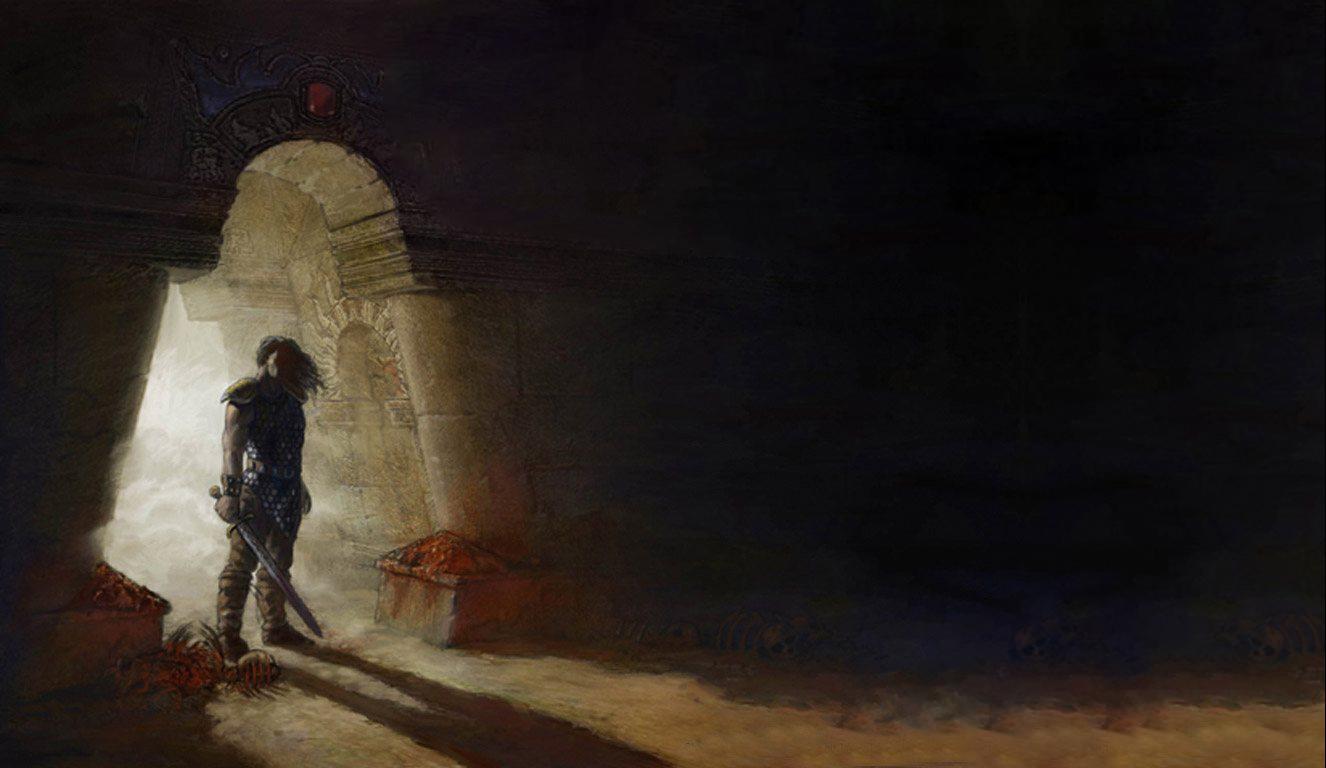
Arx Fatalis
Arkane Studios' debut, Arx Fatalis (2002), was a first-person RPG steeped in gritty dark fantasy, often seen as a spiritual successor to the Ultima Underworld series. Its standout feature was an innovative rune-drawing magic system that demanded player input and spatial awareness. The game fostered deep immersion through its interactive environment and non-linear problem-solving, a design philosophy Arkane would refine in later titles. Despite technical rough edges and a niche appeal, it offered a profound, atmospheric dungeon-crawling experience that rewarded exploration and player agency, paving the way for future immersive sims.
4 critics · 39 lists →
#4
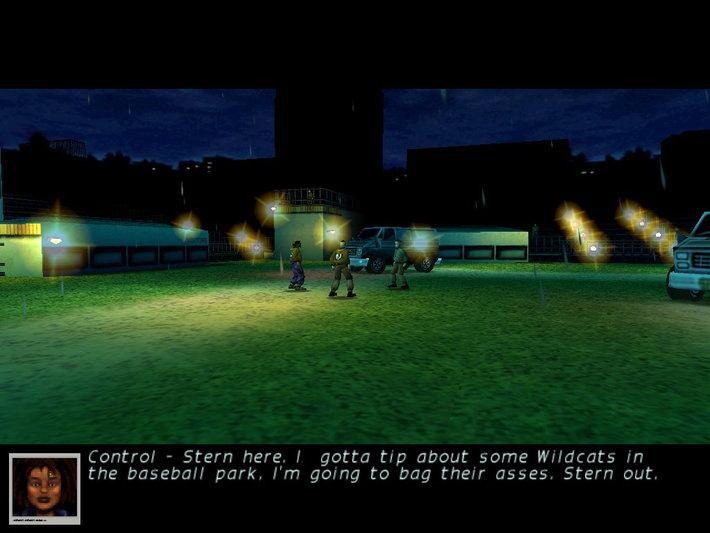
Urban Chaos
Urban Chaos, released in 1999, placed players in the shoes of a rookie cop, D'arci Stern, navigating a crime-ridden metropolis. This third-person action title was ambitious for its time, featuring early open-world elements and a dynamic environment where players tackled street crime. While its controls and combat could be clunky, the game's gritty atmosphere, distinct character, and blend of fighting, shooting, and platforming offered a unique, if unpolished, experience. It represented an early foray into urban sandbox gameplay, hinting at the potential of the genre before it fully took hold.
2 critics · 8 lists →
Play onGOG
#5

Second Sight
Free Radical Design's 2004 title, Second Sight, offered a compelling blend of stealth and psychic action. Players controlled John Vattic, an amnesiac with burgeoning telekinetic and telepathic abilities, uncovering a conspiracy. The game excelled with its innovative use of powers, allowing for creative enemy encounters and environmental manipulation. Its narrative, presented through non-linear flashbacks, was a particular highlight, delivering a mature and engaging sci-fi thriller. Though sometimes overshadowed by its contemporaries, Second Sight crafted a unique gameplay loop, proving that psychic abilities could be a fresh lens for the action genre.
3 critics · 13 lists →
#6

Freedom Fighters
IO Interactive's Freedom Fighters, released in 2003, presented an alternate history where the Soviet Union invaded New York City. This third-person squad shooter stood out for its intuitive command system, allowing players to direct a small band of resistance fighters. The game offered a satisfying blend of tactical combat and intense firefights, coupled with a powerful sense of escalating rebellion. Its compelling premise, solid gameplay mechanics, and memorable score created an experience often praised for its unique take on the shooter genre, making it a standout title from the PlayStation 2 era.
4 critics · 35 lists →
#7
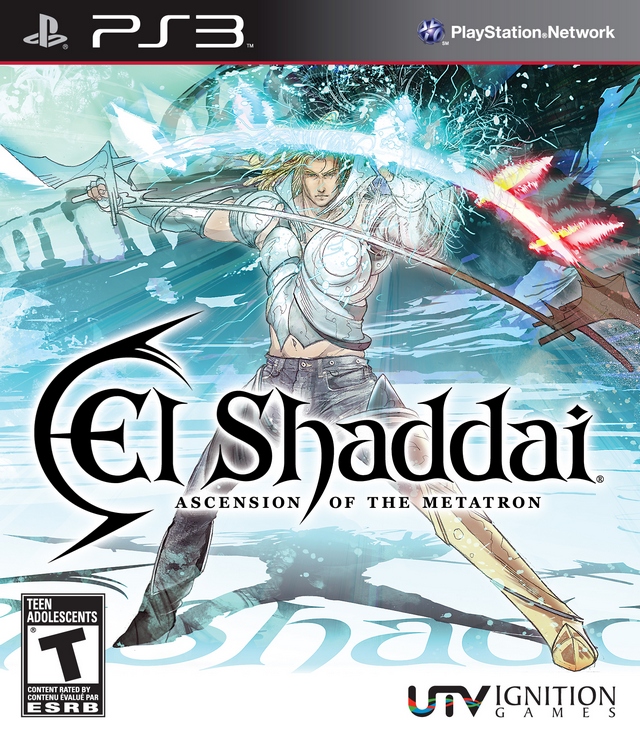
El Shaddai: Ascension of the Metatron
El Shaddai: Ascension of the Metatron, a 2011 action game, remains a visual marvel, drawing heavily from biblical apocrypha to craft its ethereal, ever-shifting art style. Its aesthetic, reminiscent of a living painting, was truly groundbreaking, making each encounter and environment a feast for the eyes. Gameplay focused on simple yet deep combat mechanics, relying on a rock-paper-scissors weapon system. While its cryptic narrative and linear progression weren't for everyone, El Shaddai's audacious artistic vision and distinct identity solidified its status as an unforgettable, experimental cult classic.
4 critics · 61 lists →
#8
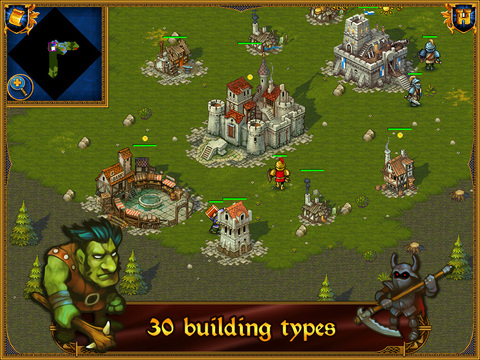
Majesty: The Fantasy Kingdom Sim
Majesty: The Fantasy Kingdom Sim, launched in 2000, redefined real-time strategy by stripping away direct unit control. Instead, players governed a fantasy kingdom by placing bounties and building structures, indirectly influencing heroes to perform tasks. This unique "indirect control" mechanic offered a refreshing, often humorous, take on kingdom management. It demanded strategic thinking about incentives and hero motivations, rather than micro-management. While visually modest, Majesty's innovative gameplay loop and charming world carved out a distinct niche, proving that strategic depth didn't always require direct intervention.
2 critics · 5 lists →
0 / 8