#1

First and Last and Always
Doktor Avalanche runs this entire mix. That Oberheim DMX drum machine is bone-dry and compressed into brick-wall territory, giving you that icy transient slap right on the nose. The real heavy lifting comes from Craig Adams' picked bass guitar, drenched in flanger and hogging the lower-mid range around 250 Hz. Eldritch sits buried behind a dark plate reverb. If you want punchy, robotic sixteenth-note hats and a metallic snare crack, this desk output is pure gold.
#2
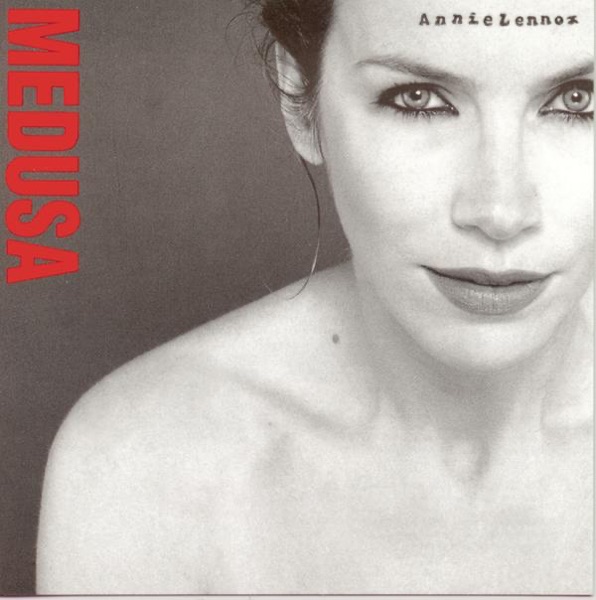
Medusa
Check the console routing on this 1986 pressing. The snare is slammed through an AMS RMX16 NonLin program, giving you that massive artificial tail chopped off mid-decay. The low end is surprisingly surgical. Instead of a muddy kick, the mix engineer carved out space below 60 Hz to let a sequenced bass synth thump cleanly without choking the stereo field. Lennox’s vocal chain carries heavy Lexicon 480L wash, but the harsh transients slice through the gloom.
#3

In the Flat Field
Raw, jagged desk routing from 1980 that sounds like it was tracked live in a concrete bunker. The snare has zero artificial decay, just a brutal, boxy room mic cracked open with aggressive analog limiting. Down in the sub register, there is barely anything below 80 Hz, but the aggressive midrange grit on the bass guitar carries the whole track. It cuts through the fog like a rusty blade, completely unpolished and gloriously spiteful.
#4
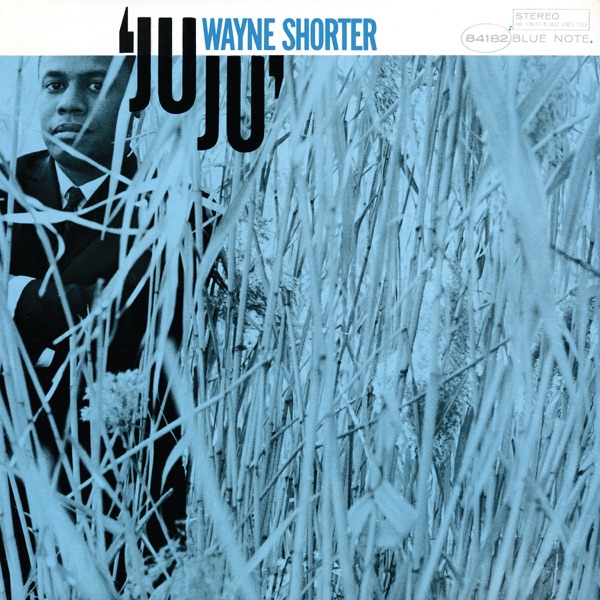
JuJu
Hearing this 1981 reissue mix through modern monitor cones reveals an eerie, hypnotic weight. Elvin Jones’ snare hits land with stiff, wooden rimshots that ring cold in the left channel. Rudy Van Gelder’s stereo spread isolates Reggie Workman’s double bass, pushing a rounded, thumping 100 Hz warmth against dry, biting cymbal bleed. It lacks standard electronic darkwave synthesis, but the desolate stereo staging and snappy, clinical drum dynamics hit with cold, brooding post-punk discipline.
#5
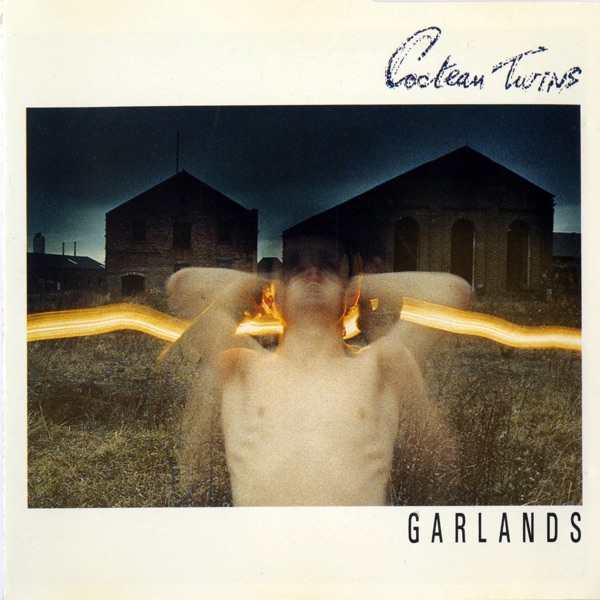
Garlands
Robin Guthrie built this entire soundscape around a Roland TR-808, but he stripped out any warm analog funk. That kick hits like an unbuffered pulse, while the snare is an EQ’d slap soaked in metallic spring reverb. Will Heggie’s bass guitar owns the lower register, chorused out wide and doubling the groove. Liz Fraser’s vocal floats on a dense delay loop, leaving the dry drum transients to puncture the mix with chilling, claustrophobic precision.
#6

Pornography
Mike Hedges and Robert Smith pushed the mixing board into redline territory here. The drums sound like they were recorded in an industrial drainage pipe, smashed with heavy compression and swept by comb-filtering flangers. The snare transient is dead and dull, but the bottom end of that kick drum rattles the subwoofers with murky 50 Hz thump. It is suffocating, dirty, and over-saturated, setting the blueprint for grim, heavy, tape-decayed rhythm sections everywhere.
#7

Only Theatre of Pain
Engineered by Thom Wilson, this 1982 master cuts right to the bone. James McGearty’s bass tone carries an obnoxious amount of treble bite, locking in with dry, unflinching studio drums. The snare does not mess with long digital verbs; it cracks like a whip right in the center channel. There is no modern sub-bass fluff padding the bottom. Instead, the tight, gritty low-mid punch punches hard, driving Rozz Williams’ dry, raspy vocal track forward.
#8

Script of the Bridge
John Lever’s drumming on this 1983 mix is an absolute clinic in spatial engineering. The snare has a cold, crisp snap, mic’d close and sent through short stereo delays that bounce wide across the soundstage. Mark Burgess tracks his bass high up the neck, giving the bottom end a rich, growling sustain that fills the room without turning to mud. The transient clarity on the kick drum keeps every frantic beat tight and punchy.
#9

Tocsin
Manuela Zwingmann’s drum tracks got the full cavernous studio treatment on this 1984 release. The snare explodes with a chilled, gated reverb tail that instantly vanishes before the next hit, leaving dead silence in the high frequencies. The bass track is filthy, pumped full of chorus and pushed forward in the fader balance. Anja Huwe’s vocals cut like dry ice above the drums, proving that high-frequency air and hollowed-out mids make tracks sound terrifying.
#10

Spleen and Ideal
Moving away from garage rigs, this 1985 production uses massive orchestral percussive textures alongside traditional drum machines. The low end gets dominated by deep floor toms and kettle drums that bloom down near 40 Hz, rattling your desk speakers. Up top, the snares and rim hits sound isolated in a cathedral, drenched in long Lexicon hall algorithms. It sounds massive, pristine, and dead cold, balancing acoustic transient dynamics with an unsettling, shadowy sonic footprint.
#11

Tomb for Two
True bedroom minimalism that knows exactly how to preserve headroom. The drum programming uses stripped-back, linndrum-style samples with zero room noise and razor-sharp transients. That snare is an absolute ice pick, cracking right through the 3 kHz zone. Beneath it, a single monophonic bassline chugs along with a stiff, square-wave rumble, high-passed just enough to stay nimble. The vocals sit dry and unvarnished, letting the sterile low end drive the track with robotic ease.
#12

Yr Body Is Nothing
Augustus Muller knows how to glue a track together. The sub-bass is thick, analog, and distorted around the edges, ducking hard against an unflinching four-on-the-floor kick drum. Meanwhile, the snare is pure industrial ice, clipping slightly to give your tweeters a proper workout. Jae Matthews’ vocals get filtered through dark slapback delays, hovering over a mix that slams club sound systems while keeping the desolate, tape-hiss aesthetic of early underground synthwave alive and menacing.
0 / 12