#1
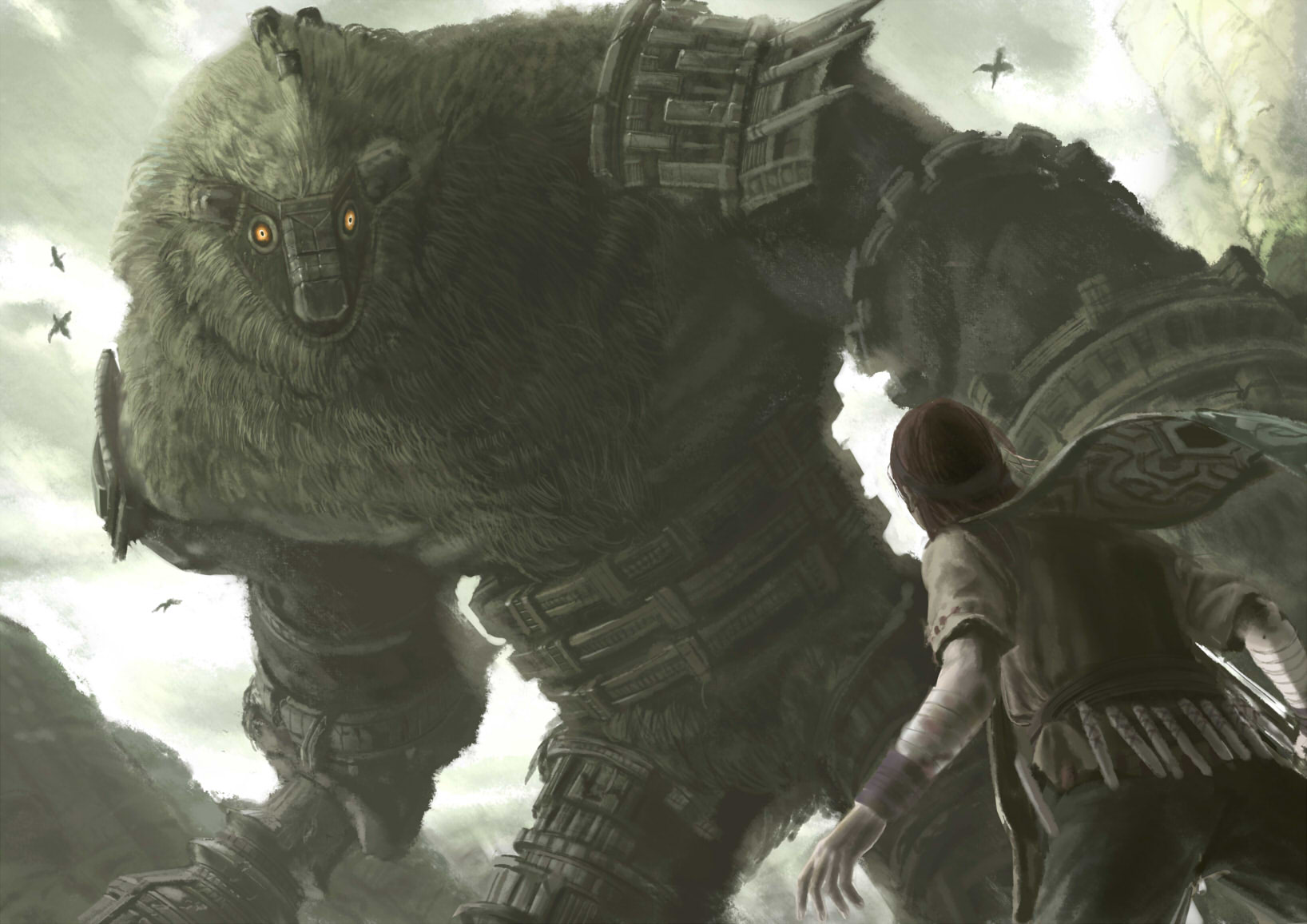
Shadow of the Colossus
Fumito Ueda understood something crucial about tragedy: grief requires silence, not a checklist of side quests. Riding Agro across the desolate forbidden lands feels like traversing a graveyard before the bodies are even buried. Wander's terrible, selfish quest strips away distractions. You track sixteen majestic beings and murder them in cold blood, each death a somber, hollow victory. The emptiness mirrors Wander's eroding soul. It leaves you feeling entirely ruined in the best possible literary way.
#2
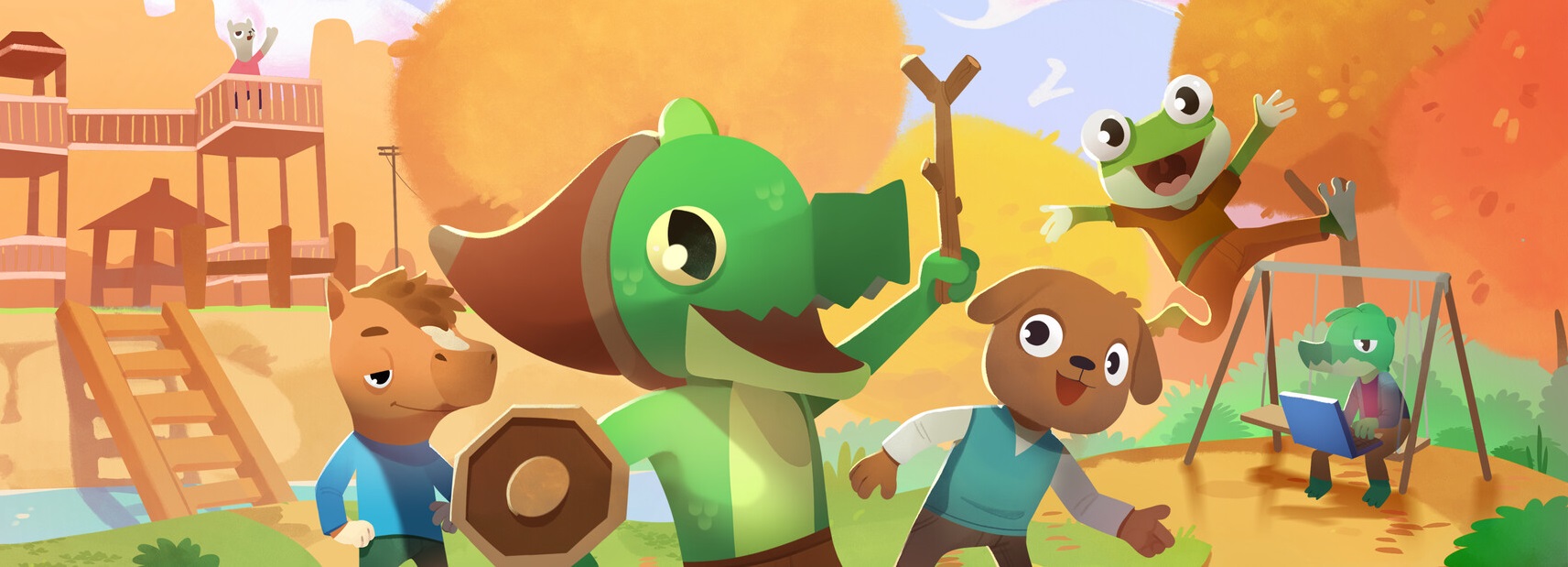
Lil Gator Game
Growing up is a quiet heartbreak, and this little gem grasps that truth completely. You play a scaly kid desperately staging an epic fantasy LARP across an island to pull an older sister away from her college homework. Every cardboard shield and goofy errand serves a poignant emotional core. There are no bloated icons suffocating the map, only the aching nostalgia of childhood afternoons that ended far too early. It reaches straight for your tear ducts.
#3

Marvel's Spider-Man: Miles Morales
Bloat ruins superhero stories by making stakes so cosmic that humanity evaporates. Miles Morales sidesteps that trap by shrinking the theater down to Harlem during Christmas. The snow-dusted borough feels personal, every side errand tied directly to neighbors you actually want to protect. Miles struggles with grief, identity, and the moral weight of expectations without wasting thirty hours on mindless towers. It plays like a tight coming-of-age novella where every swing through the skyline carries genuine emotional purpose.
#4
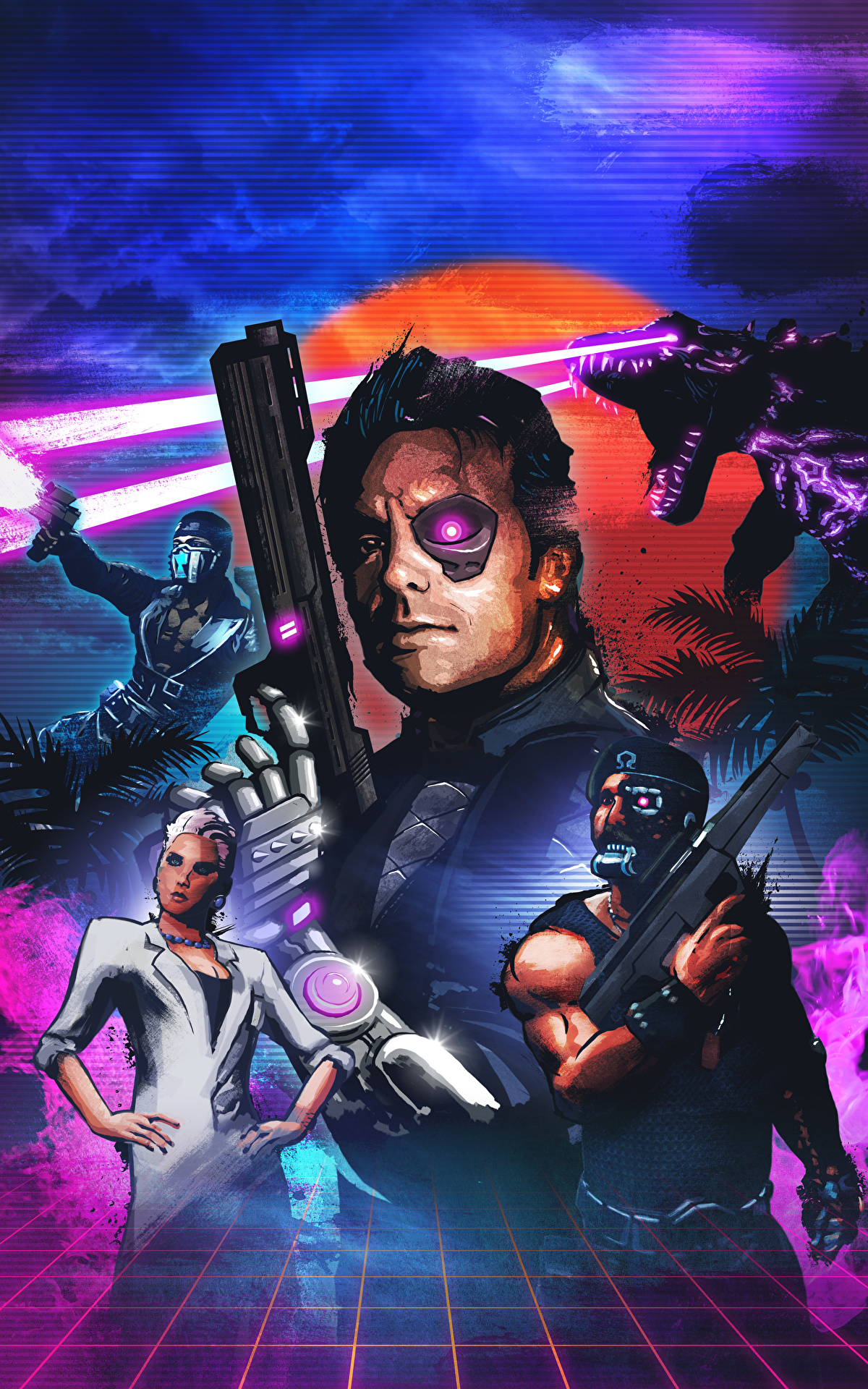
Far Cry 3: Blood Dragon
Big publishers often treat playtime like a contest of endurance, but Blood Dragon delivers pure, neon-soaked parody. It strips the bloated Far Cry formula down to a lean, vulgar six-hour sprint. Rex Colt represents every absurd eighties action trope cranked to eleven, raging against rogue cyborgs under a perpetually magenta sky. The humor lands because the game cuts all modern open-world fat. And beneath the crude synth-blasting machismo lies a sharp critique of military power fantasies.
#5
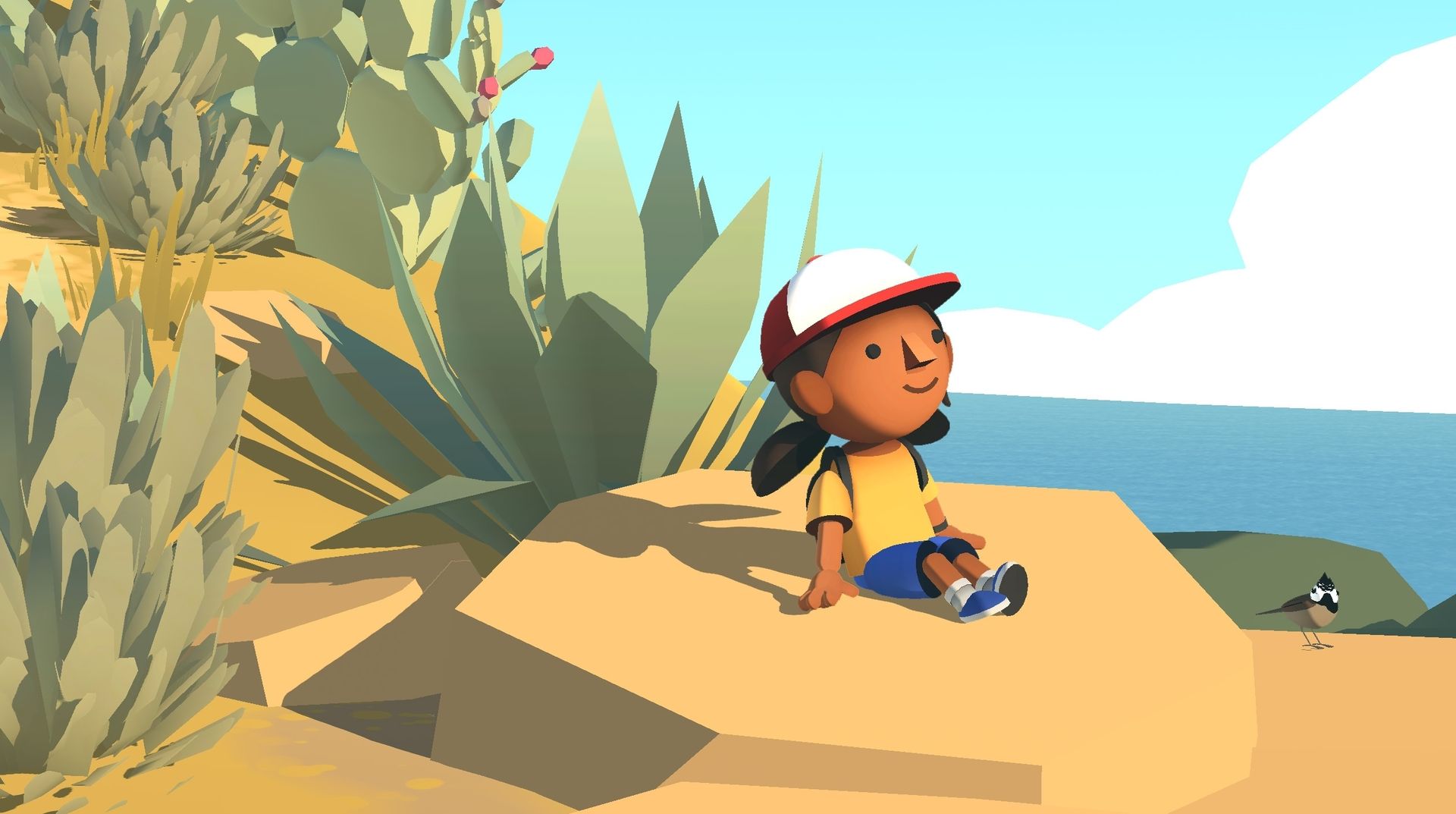
Alba: A Wildlife Adventure
Greed always threatens community spaces, a theme old as Ibsen's plays. On a sunlit Mediterranean island, a young girl armed with a smartphone camera takes on corrupt municipal development. You catalog birds, pick up discarded trash, and rally townsfolk to save a nature reserve. The world is compact enough to memorize every cobblestone alley. It captures the quiet dignity of civic responsibility and childhood earnestness, wrapping an inspiring moral fable inside an afternoon-sized exploration without an ounce of padding.
#6
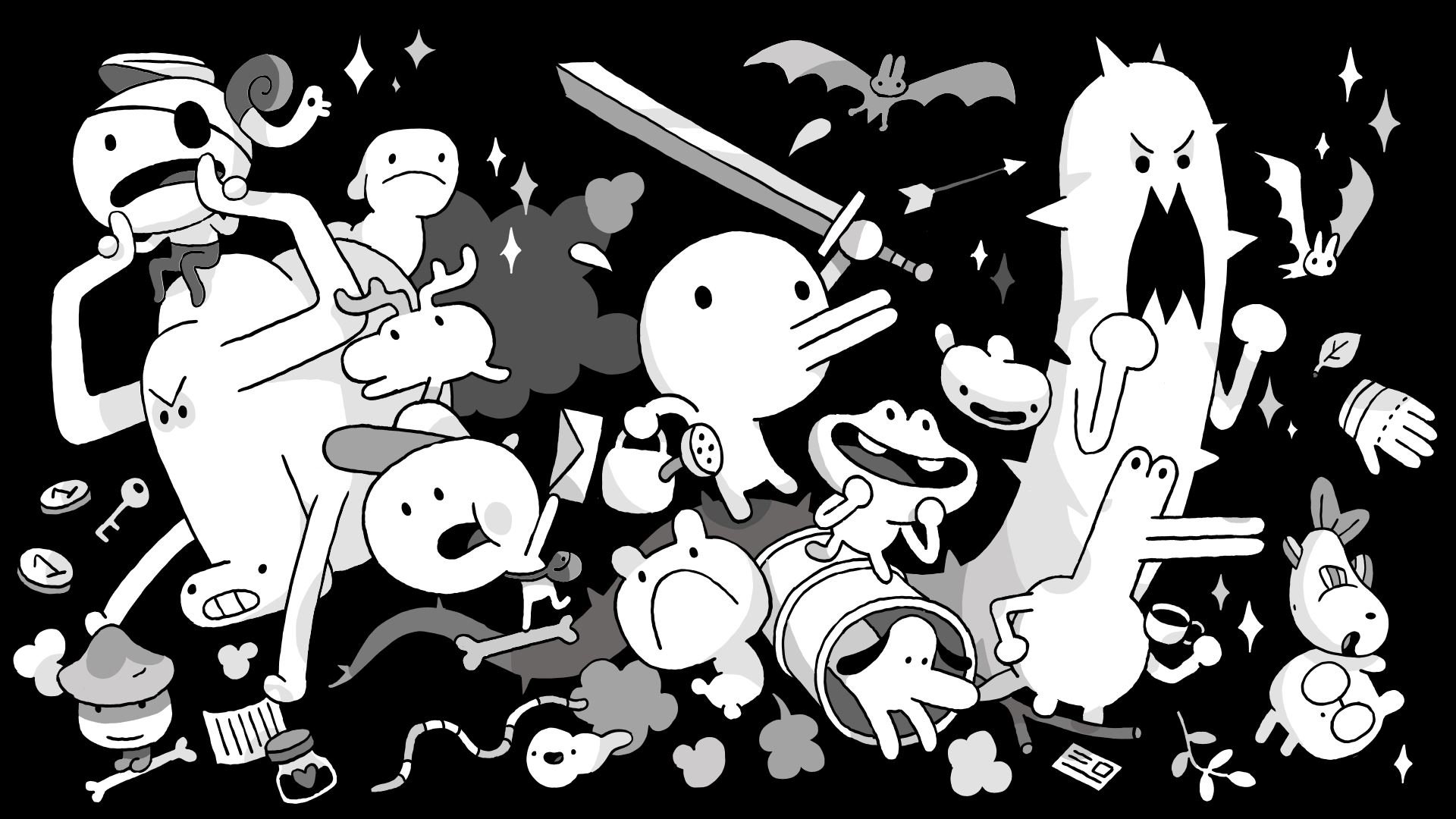
Minit
Albert Camus would have admired this frantic little tragedy. Cursed by a discarded sword, your character dies every sixty seconds, waking up in bed to try again. The open map is small, yet every single screen feels charged with dreadful narrative momentum. You help an eccentric local, unlock a lighthouse, or uncover corporate malfeasance one agonizing minute at a time. Mechanics become an existential metaphor: life is desperately brief, so you must figure out what actually matters.
#7
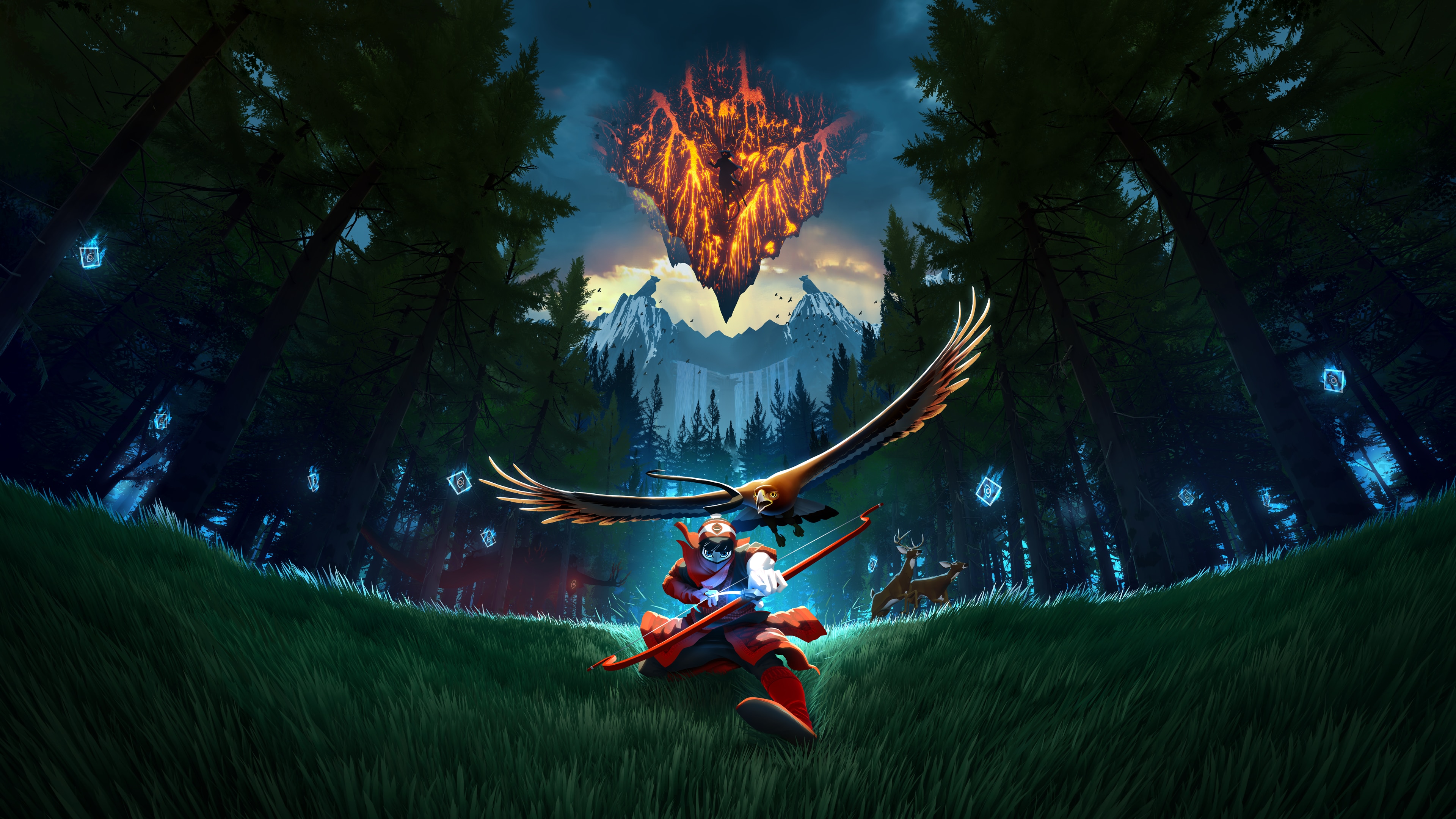
The Pathless
Open-world games adore cluttering screens with compasses and mini-maps, suffocating all sense of genuine mystery. The Pathless tosses those crutches away. You sprint and glide across a cursed island through rhythmically shooting talismans, your eagle companion forging an intimate bond that anchors the entire journey. Cleansing the land of corrupted spirits feels mythic rather than mechanical. It plays like an ancient epic poem told by a fireside, respecting your intelligence and concluding before wonder curdles into monotony.
#8
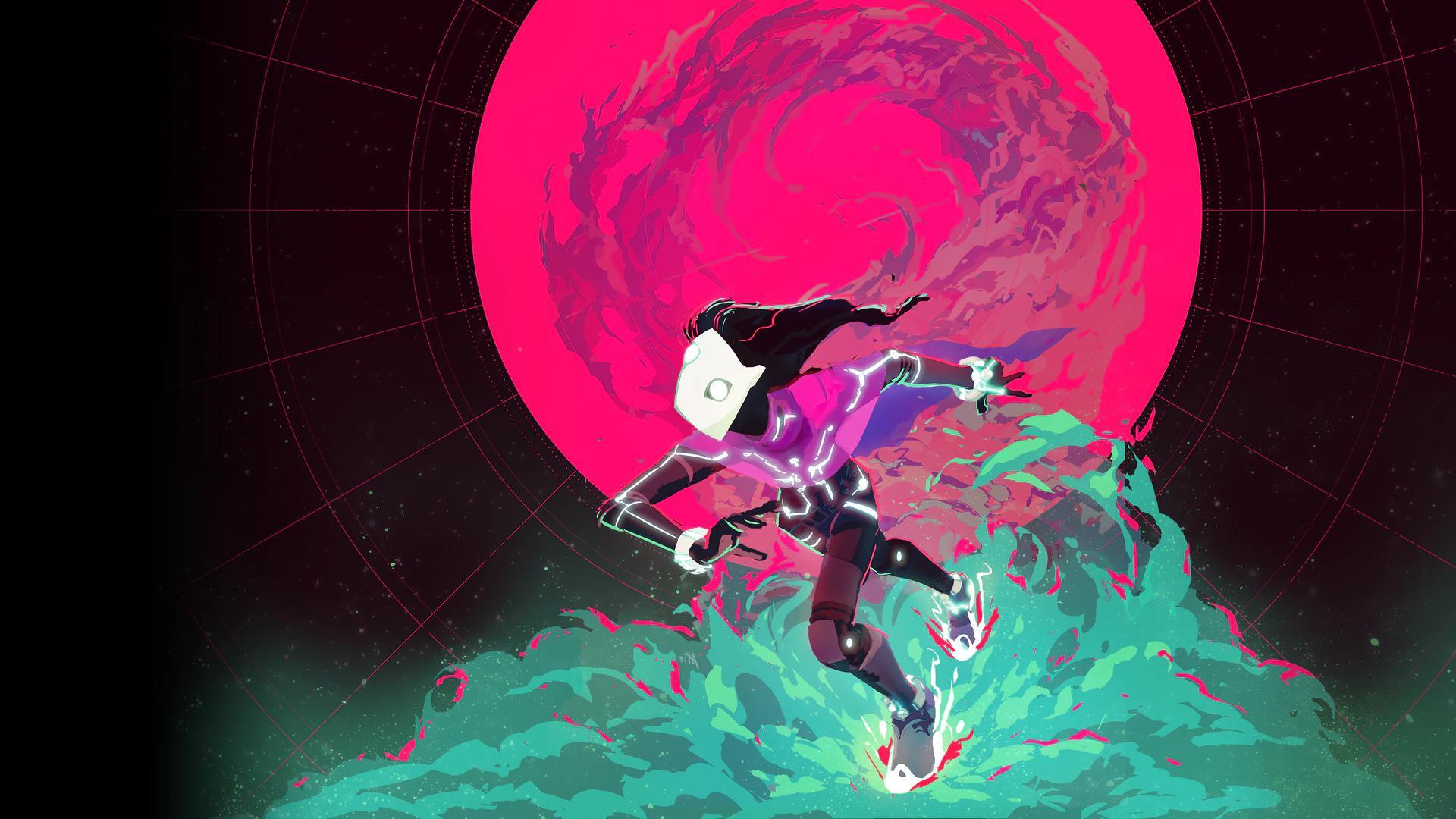
Solar Ash
Heartbreak creates its own crushing gravity, a concept literalized in this cosmic void. Rei skates across surreal planetary ruins trapped inside the Ultravoid, hunting massive remnants in a desperate bid to save her homeworld. The kinetic skating mechanics feel breathless, matching her psychological denial and fierce determination. And as the story unfolds, the tragic consequences of clinging to the past cut deep. It delivers a devastating meditation on grief without forcing you through endless fetch quests to experience it.
#9
Haven
Fiction often treats romance as a chase, ending abruptly right at the confession. Haven does something far braver by focusing entirely on the messy, tender realities of an established relationship. Yu and Kay flee an authoritarian society to survive together on a shattered alien planet. Gliding across fractured islands feels soothing, but the heart lies in their quiet domestic conversations over dinner. The open spaces exist solely to frame their private sanctuary, proving that love stories deserve focused, mature staging.
#10
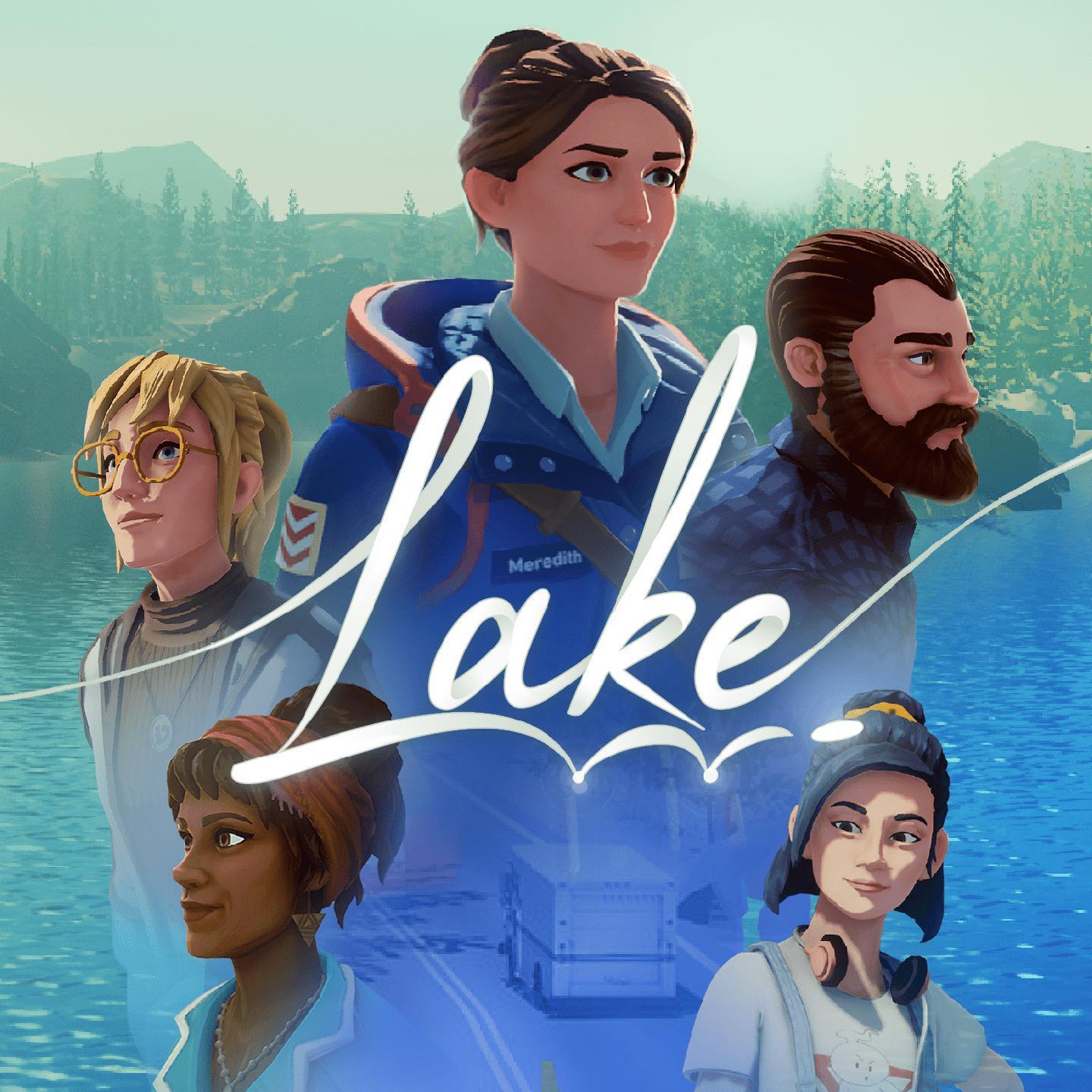
Lake
Modern life treats exhaustion as a badge of honor, making Meredith Weiss’s escape to her sleepy Oregon hometown feel deeply relatable. Trading her eighties software career for a temporary mail route around Providence Oak, she delivers letters and listens to neighbors. There are no apocalyptic threats or ticking timers here. Every conversation invites you to weigh career ambition against community connection. It unfolds like an understated Raymond Carver short story about stepping off the treadmill to reclaim your own humanity.
#11
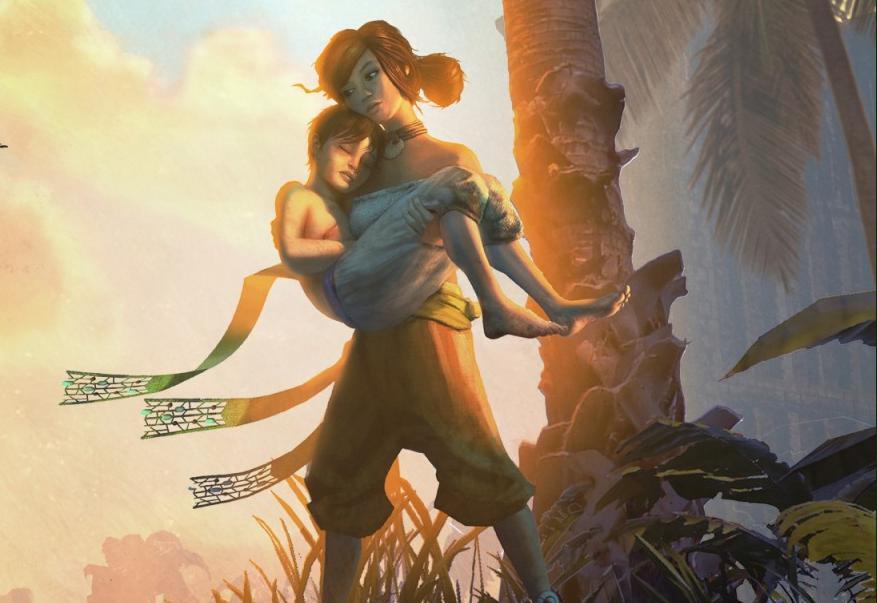
Submerged
Stripping away combat allows grief and devotion to take center stage. In a half-drowned metropolis, Miku guides a fishing boat through flooded ruins, desperately scavenging medicine for her dying little brother Taku. The atmosphere carries a haunting, post-apocalyptic quiet. Scaling crumbling towers reveals murals detailing their family’s tragic past. It offers a gentle, mournful pilgrimage unburdened by boss fights or weapon crafting. And in that stillness, the raw love between two stranded siblings becomes completely unforgettable.
0 / 11