#1

OK Computer
This one still hits like a ton of bricks. In '97, it felt like Radiohead were channeling the growing hum of anxiety about technology, consumerism, and alienation into something monumental. The guitars soared, but the undercurrent was a cold dread, a digital unease that felt so prescient. It was epic, sure, but also deeply personal, capturing that feeling of being overwhelmed while trying to connect in a rapidly changing world. A sonic masterpiece that articulated our collective fears.
#2

Mezzanine
"Mezzanine" was just *dark*. Like, profoundly, beautifully dark. It took the trip-hop blueprint and smeared it with this inky, oppressive atmosphere, dripping with paranoia and a sort of gothic grandeur. The basslines were tectonic, the samples unsettling, and the guest vocals felt like spectral whispers from another dimension. It wasn't just music; it was a mood, a suffocating embrace that still resonates with an almost physical weight. That album owned the night.
#3

Endtroducing...
Man, "Endtroducing..." was a revelation. Shadow built entire worlds out of dusty records, stitching together disparate sounds into this cinematic, instrumental hip-hop tapestry. It wasn't just sampling; it was alchemy, creating emotional narratives and epic soundscapes from forgotten grooves. It showed how much soul and narrative could exist without a single vocal, proving the turntable was as powerful an instrument as any guitar. Still sounds like the future, somehow.
#4
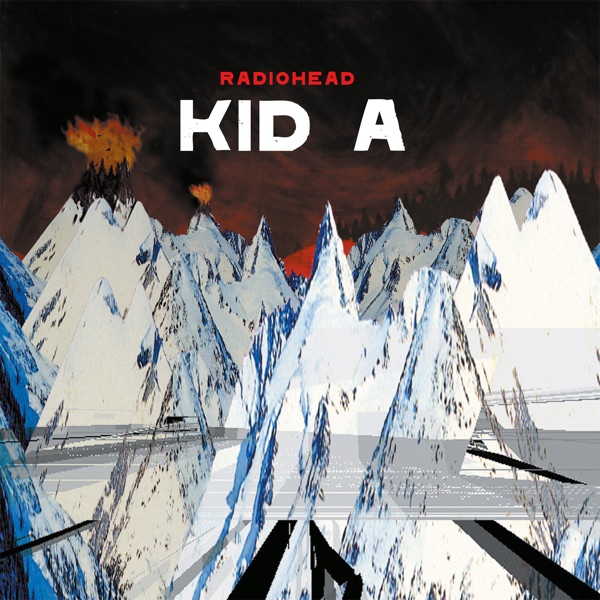
Kid A
This was the ultimate left turn, wasn't it? After *OK Computer*, everyone expected another guitar epic, and then *Kid A* dropped, cold and electronic. It was alienating, beautiful, and utterly brilliant. They stripped away the rock band façade, leaning into synthesizers, drum machines, and abstract textures. It felt like the soundtrack to a new millennium, all glitchy paranoia and shimmering isolation, proving that reinvention could be both brave and utterly essential.
#5

Selected Ambient Works 85-92
Back before IDM was even a term, Richard D. James was crafting these timeless electronic landscapes. *Selected Ambient Works* wasn't just background noise; it was intricate, melodic, and surprisingly emotional for something so technical. The way those early tracks ebb and flow, building and dissolving, still feels utterly captivating. It’s a foundational text, a blueprint for intelligent electronic music that remains as fresh and inventive now as it did then.
#6

Music Has the Right to Children
This album is pure, hazy nostalgia, but with a deeply unsettling undercurrent. Boards of Canada took these warped, analog synth sounds, filtered them through old tape decks, and conjured up fragmented childhood memories. It’s warm and comforting in one breath, then deeply melancholic and strange in the next. That signature sound – the dusty beats, the muffled voices, the faded Kodachrome aesthetic – is still instantly recognizable and endlessly imitated.
#7

In the Aeroplane Over the Sea
Jeff Mangum’s masterpiece. This album felt like unearthing a secret, a raw, heartfelt outpouring of myth and melody. It’s lo-fi but huge in its emotional scope, packed with brass, acoustic guitars, and Mangum’s distinctive, impassioned vocals. It’s an album that demands your full attention, building this strange, beautiful world around Anne Frank and circus imagery. It’s pure, unfiltered artistic vision, and it still feels incredibly potent.
#8
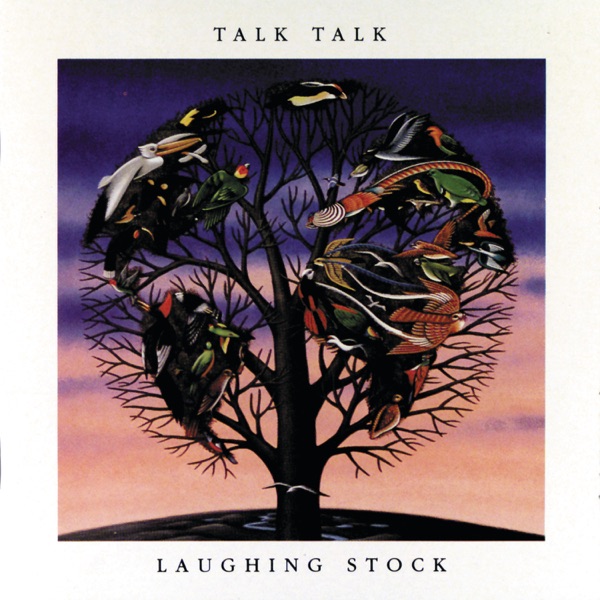
Laughing Stock
This was Talk Talk's final act, and what an exit. *Laughing Stock* isn't just post-rock; it's a genre unto itself. They pushed the boundaries of silence and improvisation, creating these sparse, atmospheric pieces that felt like they were breathing. It’s deeply spiritual, almost orchestral in its quiet intensity, using space as much as sound. It challenged what rock music could be, paving the way for so many experimental sounds that followed.
#9

Spiderland
"Spiderland" was a game-changer for guitar music. It wasn’t about hooks or anthems; it was about tension, dynamics, and atmosphere. Those angular, interlocking guitar lines, the sudden shifts in volume, and Brian McMahan’s almost whispered, spoken-word vocals created a chilling narrative. It felt like a slow-burn psychological thriller in album form. This is the kind of record that rewires your brain, showing you a new language for rock.
#10

Dummy
"Dummy" was the sound of melancholy perfected. Beth Gibbons’ voice, fragile and world-weary, draped over these dusty, cinematic samples and trip-hop beats. It was moody, yes, but also incredibly elegant and sophisticated. The scratching, the deep bass, the yearning melodies – it all combined to create an atmosphere so distinct, so immersive. This album still feels like the soundtrack to a rain-soaked, late-night city. Utterly iconic.
0 / 10