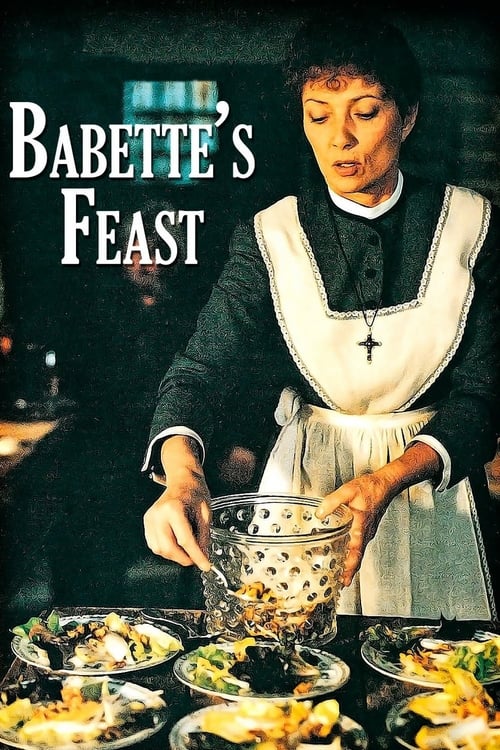
Karen Blixen's story, brought to life on screen, presents a profound meditation on art, faith, and the transformative power of a single, exquisite meal. Babette, a French refugee, dedicates her lottery winnings to prepare a feast for an austere Danish community, gradually breaking down their inhibitions and revealing the spiritual essence of culinary creation. It's a quiet, yet deeply resonant exploration of generosity and grace through gastronomy.
from “10 Cinematic Dishes: Films Where Food Becomes the Story” →
Track the timeline between Babette’s escape from the 1871 Paris Commune and her decade of enforced culinary silence in Jutland. The meal represents forensic political history: Amontillado, turtle soup, and Cailles en Sarcophage recreated verbatim from her tenure at Café Anglais. General Loewenhielm’s monologue decodes Babette's lost Paris profile before the pious Danish elders ever realize they are eating radical artistic mastery. Even the tortoises arriving in wooden crates foreshadow the sheer tactical planning Babette executes.
from “9 Cozy Rainy Day Comfort Movies With Lore So Dense It Demands Rewatches” →