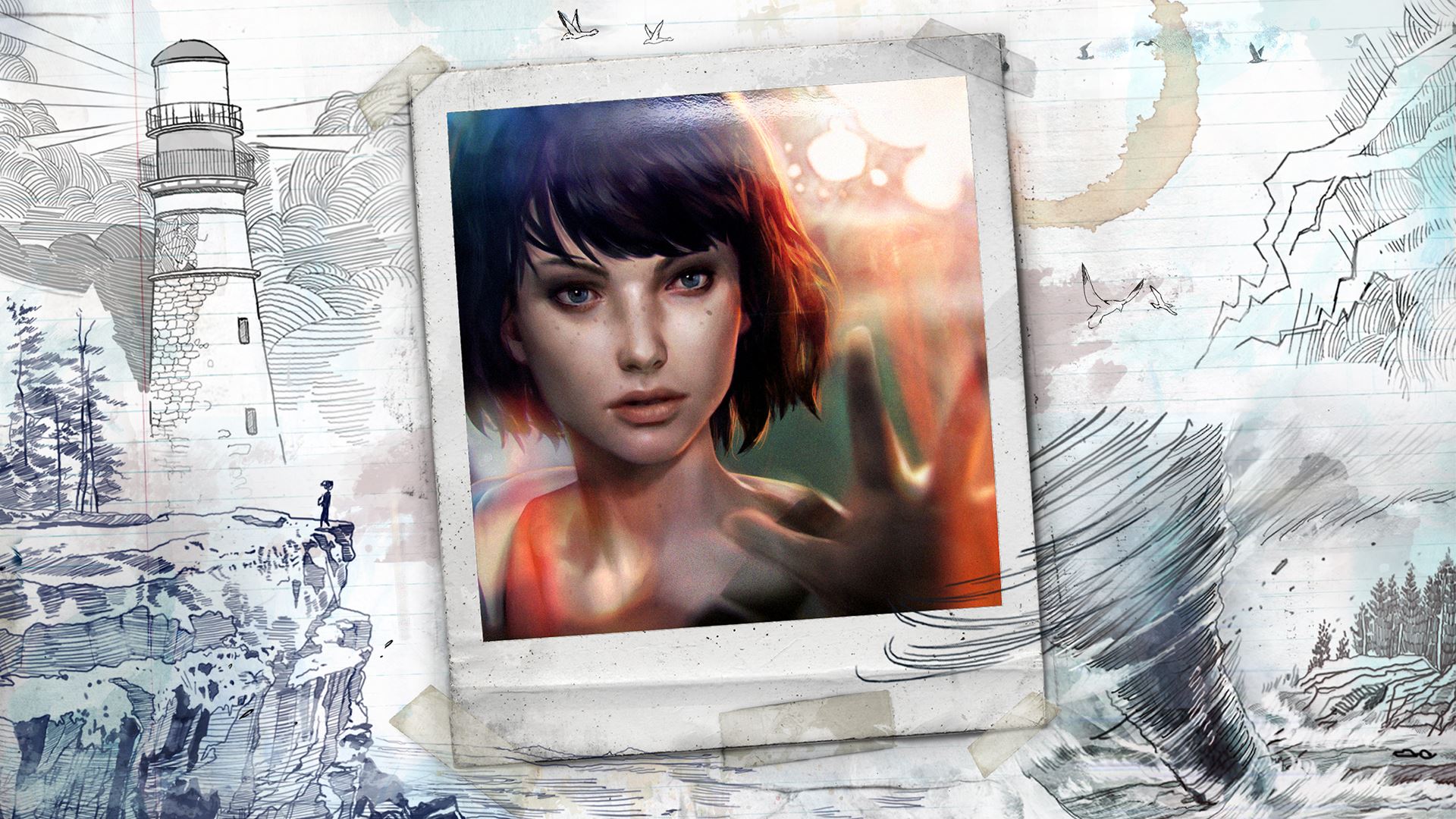
Max Caulfield’s time-rewinding abilities seem like the ultimate undo button, yet the game masterfully demonstrates the butterfly effect. Every reversal, every attempt to 'fix' a situation, inevitably ripples through the timeline, creating new, often worse, problems. The narrative constantly reminds players that even with supernatural powers, some choices are final, some consequences unavoidable, leading to a poignant exploration of destiny, sacrifice, and the weight of decision.
from “8 Games That Prove Real Life Isn't a Respawn Screen” →
Before every indie game decided player choice was *the* mechanic, *Life is Strange* nailed it. It was a raw, often painfully earnest narrative about teenage drama, time travel, and the butterfly effect. Max and Chloe's relationship, the small-town mysteries, and those gut-punching decisions made it impossible to put down. Even with some awkward dialogue, it proved you don't need AAA budgets to craft a deeply personal, emotionally resonant story that genuinely makes you question your morals. The ending still haunts discussions.
from “10 Games That Hit Different: The Emotional Rollercoasters We *Still* Can't Talk About” →
This game is all about choices and consequences, and every decision feels like it could literally break the timeline. Max can rewind time, but messing with fate always has a price. The drama comes from navigating intense friendships, a small-town mystery, and some seriously heavy themes. You'll be second-guessing every move and getting totally invested in these characters' lives. That ending though? It lives rent-free in my head.
from “9 Games With Drama So Wild, Jesy Nelson's Breakup Looks Like A Chill Stream.” →
Rewind time. Change choices. Witness consequences. This episodic adventure puts you in control of Max, a photography student. Her powers lead to heavy decisions. The characters feel real. The small town of Arcadia Bay holds dark secrets. It’s about friendship, sacrifice, and the butterfly effect. And it makes you truly think. About every single choice.
from “11 Games. They Leave Their Mark.” →