1 / 10
1. Solaris
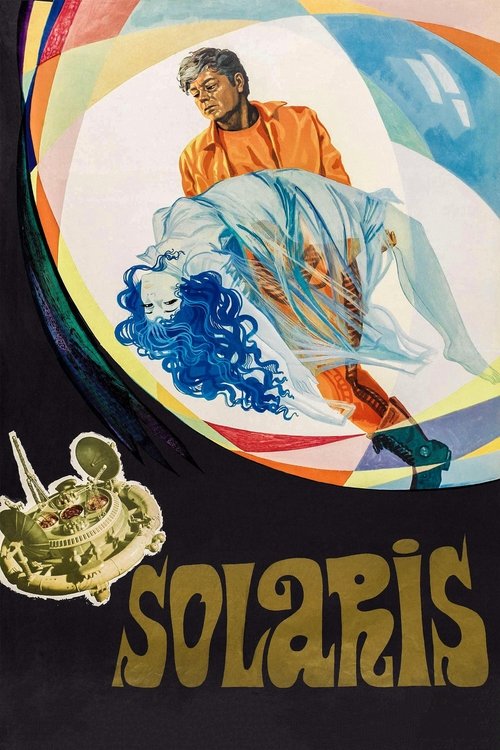
This Tarkovsky classic from '72 really messes with perception, featuring a sentient ocean creating physical manifestations of people's memories. Imagine AI so advanced it can literally sculpt your deepest thoughts into a shared virtual space, making you question reality. That's a powerful narrative tool for VR experiences, letting stories unfold based on your own subconscious. It's like personalized, interactive dreams, pushing boundaries of immersion.
2 / 10

2. The Holy Mountain
Jodorowsky's '73 trip is pure surrealism, a visual feast that feels like a VR art installation. Its non-linear, symbolic narrative pushes boundaries, showing how stories don't always need traditional structures. Future content, especially in immersive environments, could be less about a plot and more about guided exploration of abstract ideas, driven by generative AI creating impossible, beautiful worlds on the fly. It's truly mind-expanding.
3 / 10

3. Stalker
Tarkovsky again, this '79 film explores a mysterious 'Zone' where reality bends and desires might be fulfilled. Think about AI-generated worlds that adapt to your emotional state or hidden desires, creating unique, deeply personal narrative paths. It’s like the ultimate sandbox, but one that learns from you, offering a storytelling experience that’s never the same twice, always pulling you deeper into its mysteries. A true precursor to adaptive narratives.
4 / 10

4. Wings of Desire
This '87 film lets us see the world through angels' eyes, observing human thoughts and feelings. It's almost a blueprint for an empathetic AI companion in a VR narrative. Imagine an AI that doesn't just tell you a story, but lets you experience the raw, unfiltered emotions and inner monologues of characters around you, adding layers of depth and connection to every interaction. It’s all about perspective in storytelling.
5 / 10
5. Being John Malkovich
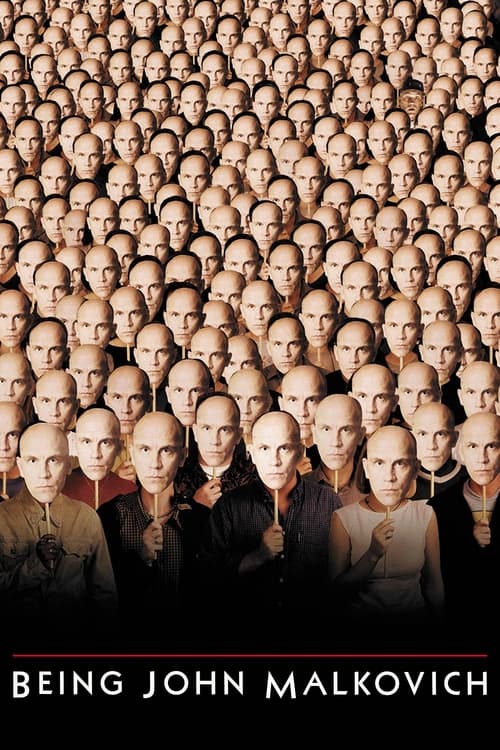
Craig Schwartz literally enters John Malkovich's mind in this '99 gem. What if VR lets us step into *anyone's* shoes, experiencing their life and decisions firsthand? AI could generate entire simulated lives based on historical data or fictional constructs, letting you live through countless perspectives. It's the ultimate empathy machine, or maybe just really wild role-playing with profound implications for narrative immersion and character exploration.
6 / 10

6. Primer
Shane Carruth's '04 time-travel puzzle is all about complex systems and unintended consequences. AI-driven narratives could get this intricate, generating branching timelines and paradoxes based on user choices. We're talking about stories that aren't just branching paths, but truly emergent systems, where every small decision ripples through a complex, believable reality, making each playthrough totally unique and mind-bending. The future of interactive complexity.
7 / 10
7. The Lobster
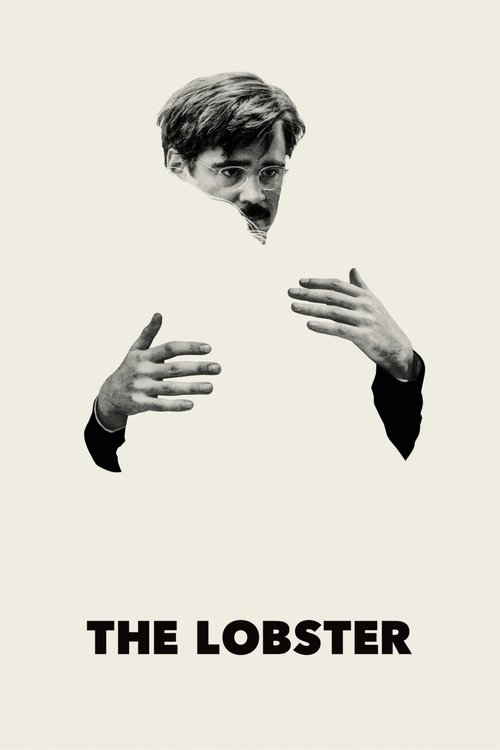
This '15 film's absurd premise about finding a partner or becoming an animal really highlights societal pressures. Imagine AI crafting hyper-specific, unsettling social simulations in VR, pushing you to confront uncomfortable truths about human connection. These narratives wouldn't just entertain; they'd provoke thought by forcing you into bizarre, yet strangely relatable, ethical dilemmas. It's storytelling as social experiment, pushing emotional boundaries.
8 / 10
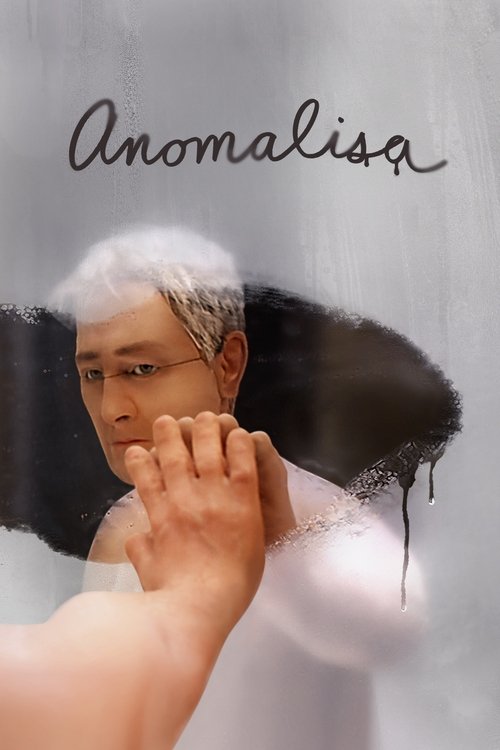
8. Anomalisa
Charlie Kaufman’s stop-motion '15 film captures profound isolation and the search for connection. Future AI could generate narratives that dynamically respond to a user's emotional state, crafting deeply personal stories that mirror their internal world. Picture VR experiences that feel like conversations with your own subconscious, revealing insights and offering unique perspectives on loneliness or connection through subtle, adaptive storytelling. It’s deeply resonant.
9 / 10

9. Columbus
This '17 film finds beauty in quiet observation and architectural spaces. Future narratives, especially in VR, won't always need huge plots. AI could create 'experiential stories' where the focus is on immersion in meticulously crafted environments, slowly revealing character or theme through subtle interactions and atmosphere. It’s about feeling present in a space, letting the environment tell its own story and letting you discover narratives at your own pace.
10 / 10

10. Burning
Lee Chang-dong’s '18 film is a masterclass in ambiguity and unreliable narration. AI-driven storytelling could push this further, constantly shifting perspectives and feeding you conflicting information. You’d become the detective in a narrative where the truth is never clear, forcing you to actively construct your own version of events from fragments, making the audience an integral part of the story's construction. It's about truly interactive mystery.