1 / 6
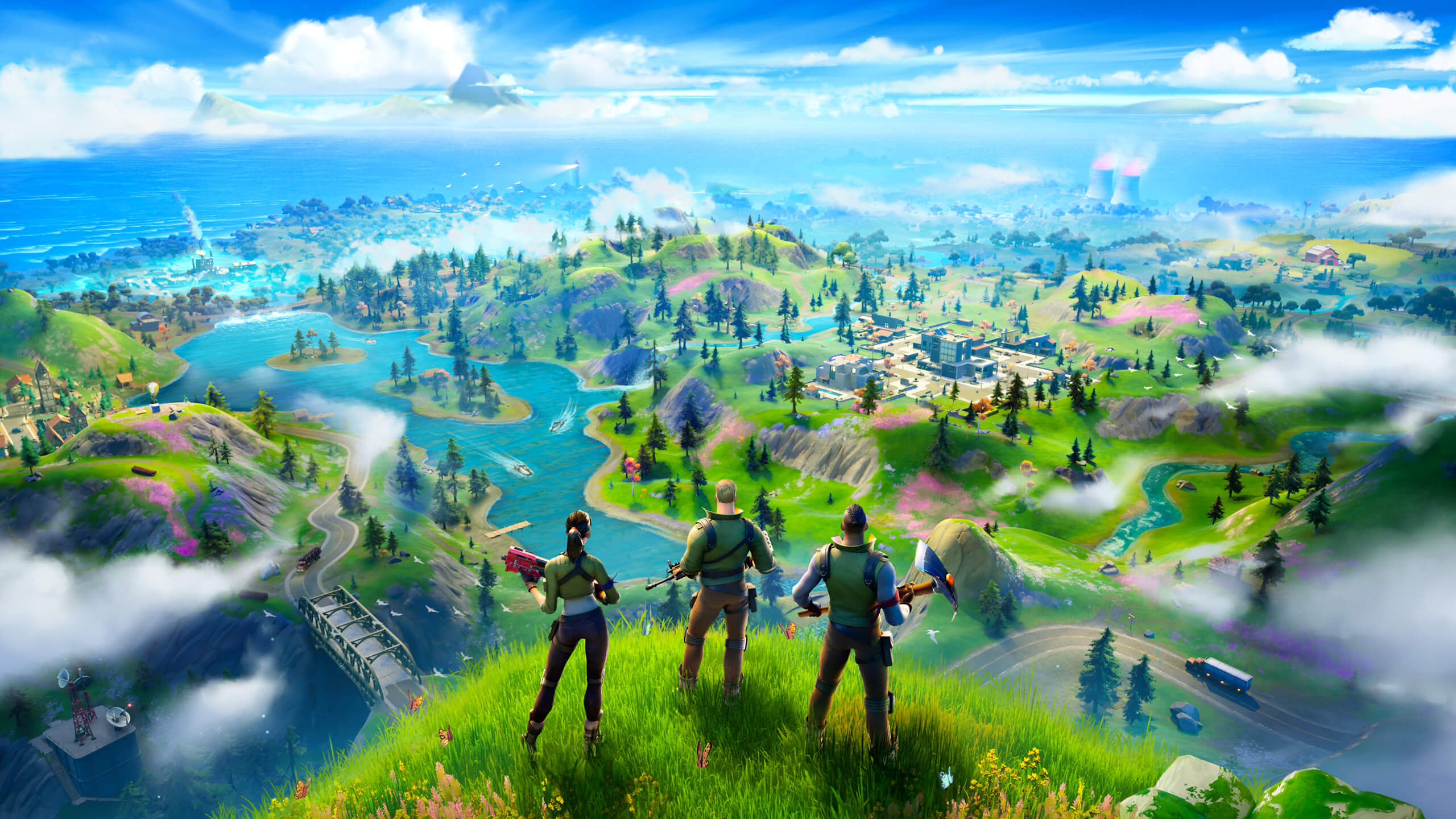
1. Fortnite Battle Royale
This game didn't just popularize Battle Royale; it redefined what a live-service game could be. It showed publishers that constant updates, aggressive monetization through cosmetics, and leveraging pop culture crossovers could build an empire. You either loved its chaotic build-fights or hated its predatory FOMO tactics, but you couldn't ignore its cultural grip, proving that free-to-play could dominate the mainstream, often at the expense of player wallet.
2 / 6
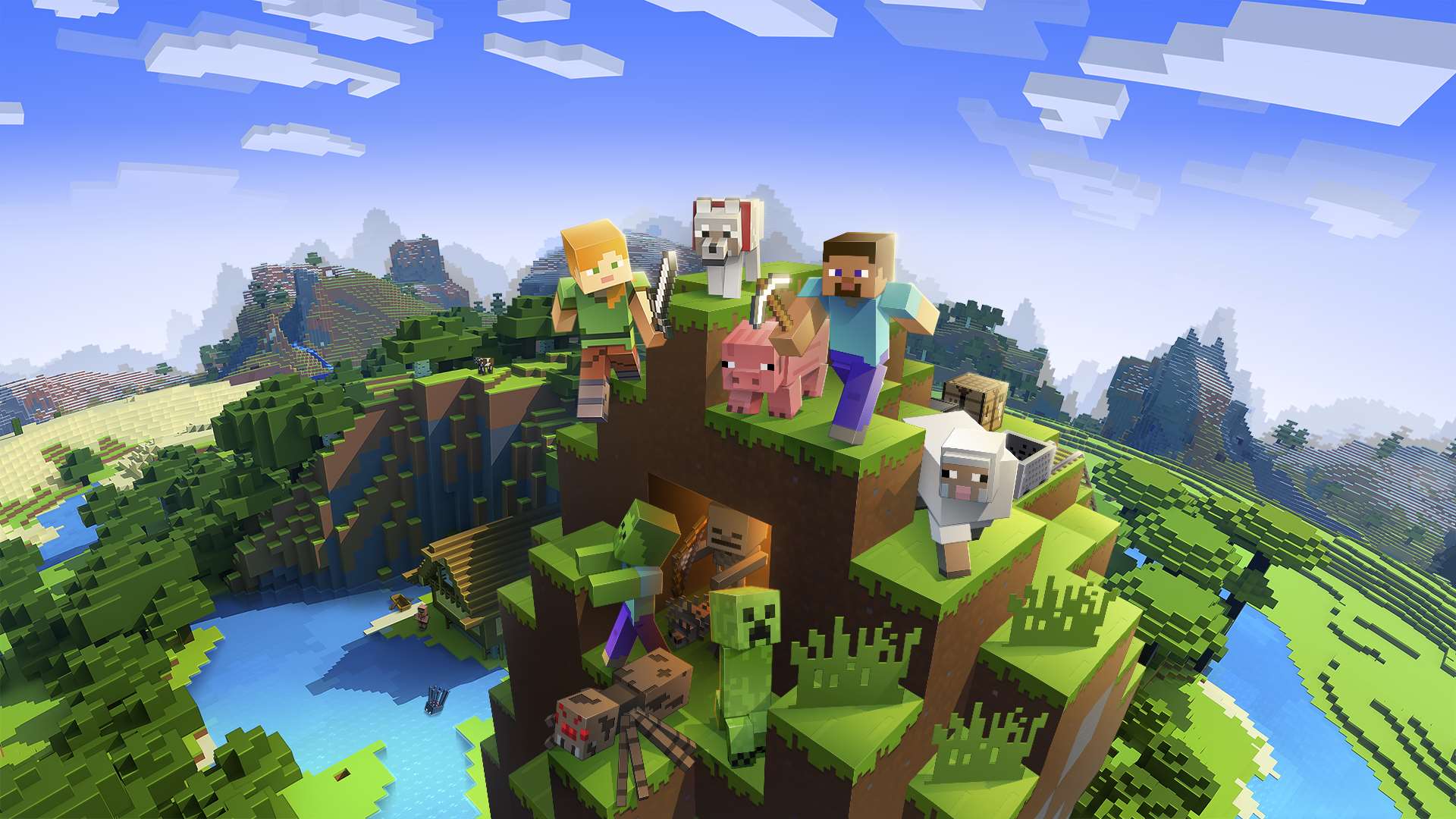
2. Minecraft
Still a titan, Minecraft proved that player-driven creativity, blocky graphics, and endless possibility could trump hyper-realistic visuals. It wasn't about a story; it was *your* story. The industry learned that user-generated content, community building, and an open-ended sandbox create an ecosystem with unparalleled longevity. And yeah, it still gets kids into STEM, which is cool.
3 / 6
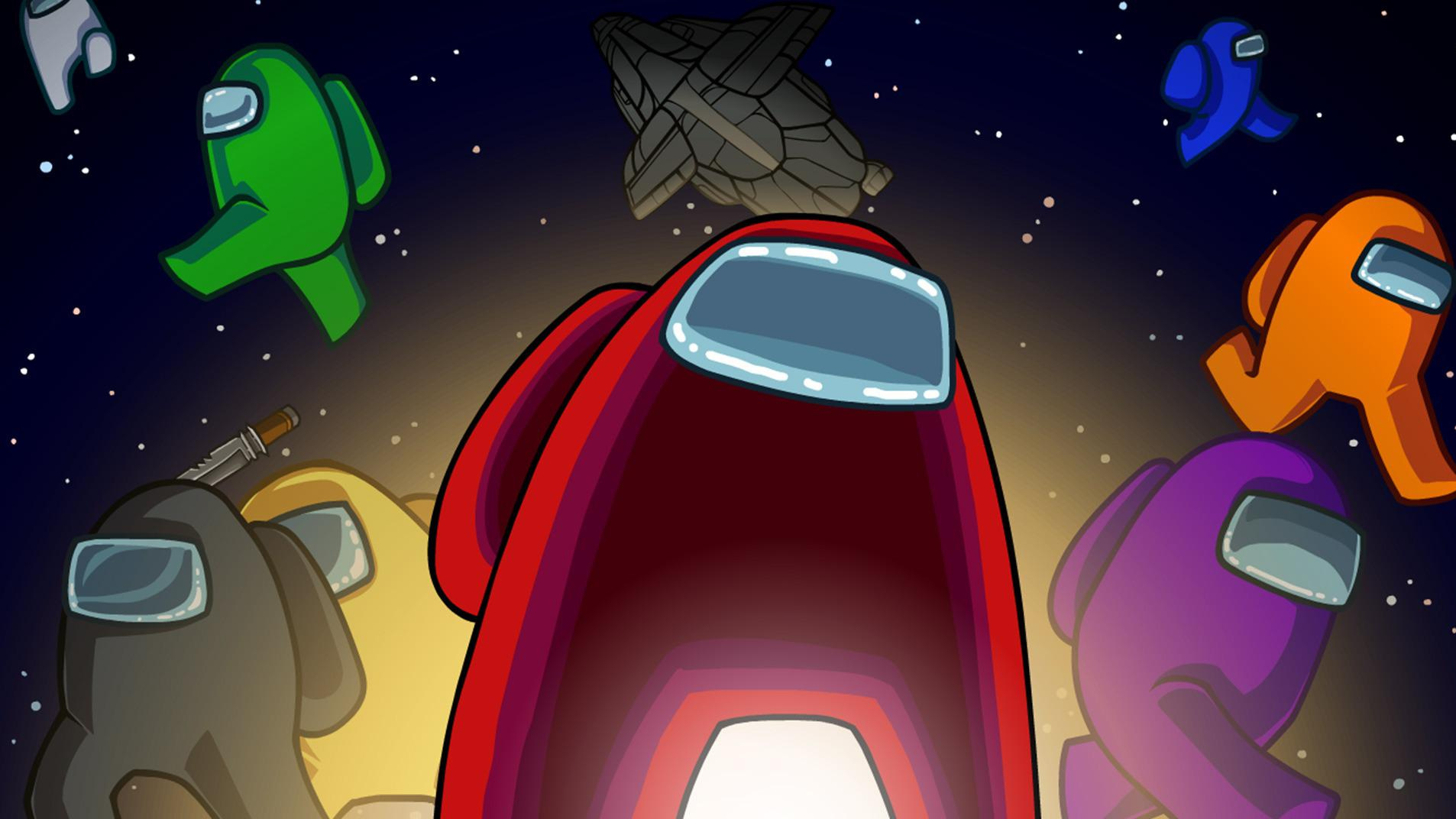
3. Among Us
Who knew a simple social deduction game from 2018 would explode during a global lockdown? It showed that complex graphics and massive budgets mean nothing if your core loop isn't instantly understandable and endlessly meme-able. This game reminded everyone that accessible multiplayer, low barriers to entry, and the sheer joy of betraying your friends are potent ingredients for viral success.
4 / 6
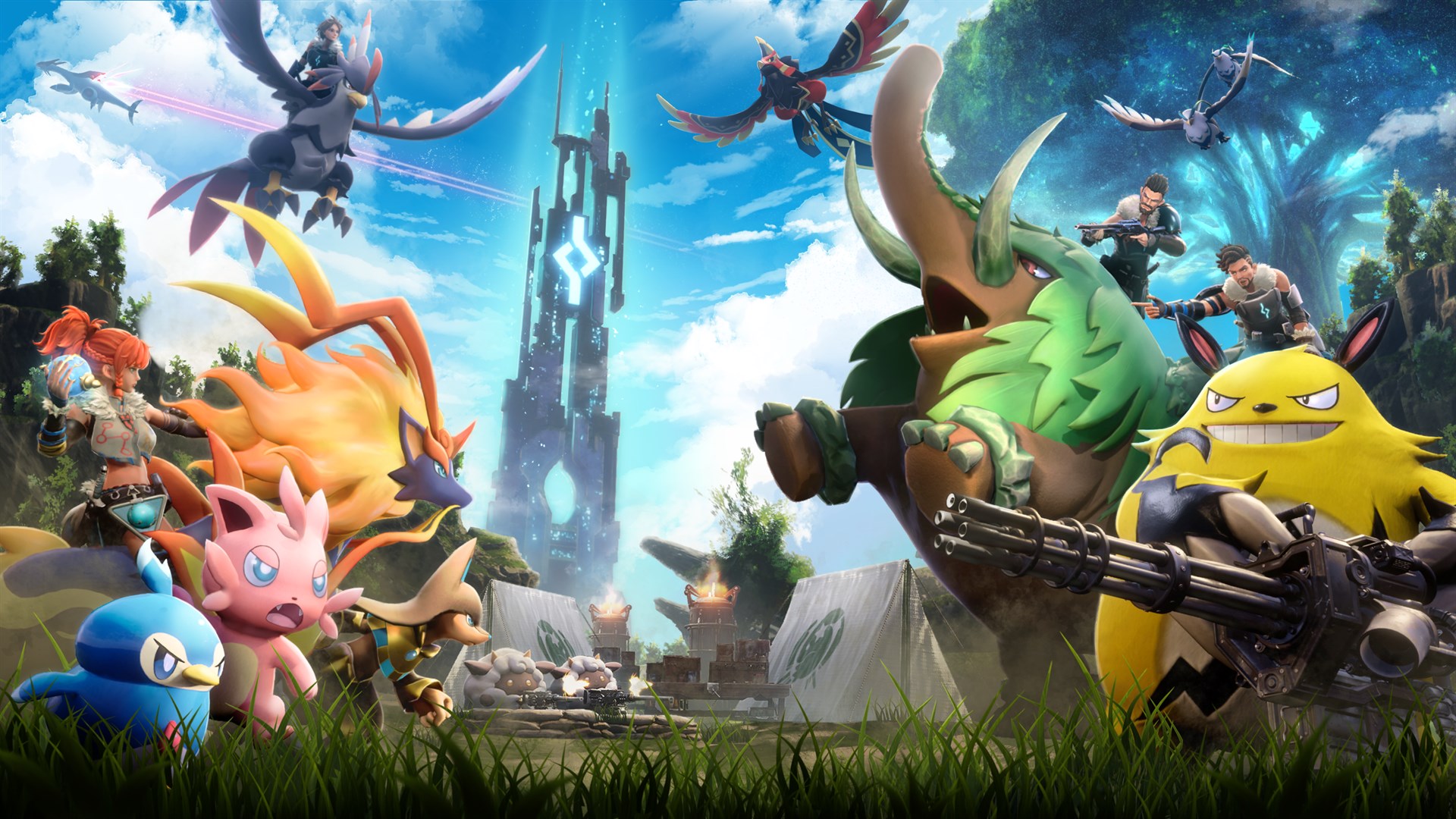
4. Palworld
The 'Pokémon with guns' phenomenon. Love it or hate the blatant "inspiration," Palworld exposed a massive hunger for genre mashups and creature collecting with a more adult, survival-crafting twist. It blew up, proving that players are desperate for fresh takes on established formulas, even if the execution feels a bit rough around the edges and skirts intellectual property lines.
5 / 6
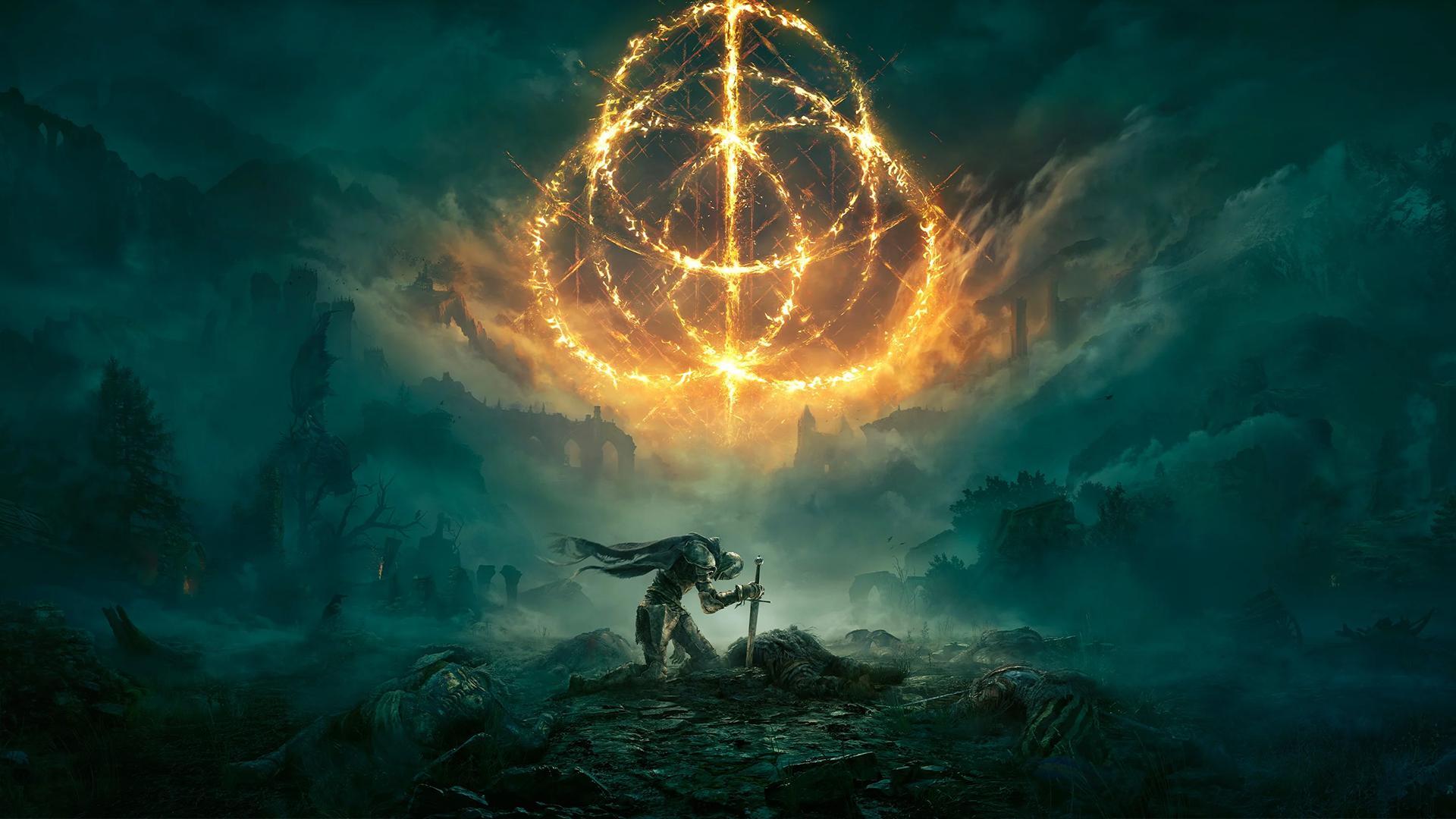
5. Elden Ring
FromSoftware dropped a bomb on the open-world genre. It said, "No, we won't hold your hand. Go explore. Get lost. Die repeatedly." And people *loved* it. Elden Ring proved that a challenging, sprawling, lore-heavy experience could be a massive mainstream success, forcing other developers to rethink their approach to player agency and the often-derided "Ubisoft map" design philosophy.
6 / 6

6. Pokémon GO
This game wasn't just about catching 'em all; it was about getting people off their couches and into the real world. It leveraged a beloved IP with augmented reality to create a unique social phenomenon. While the initial hype cooled, it showed the power of location-based gaming and IP recognition, making millions realize their neighborhood was actually a sprawling, hidden world.