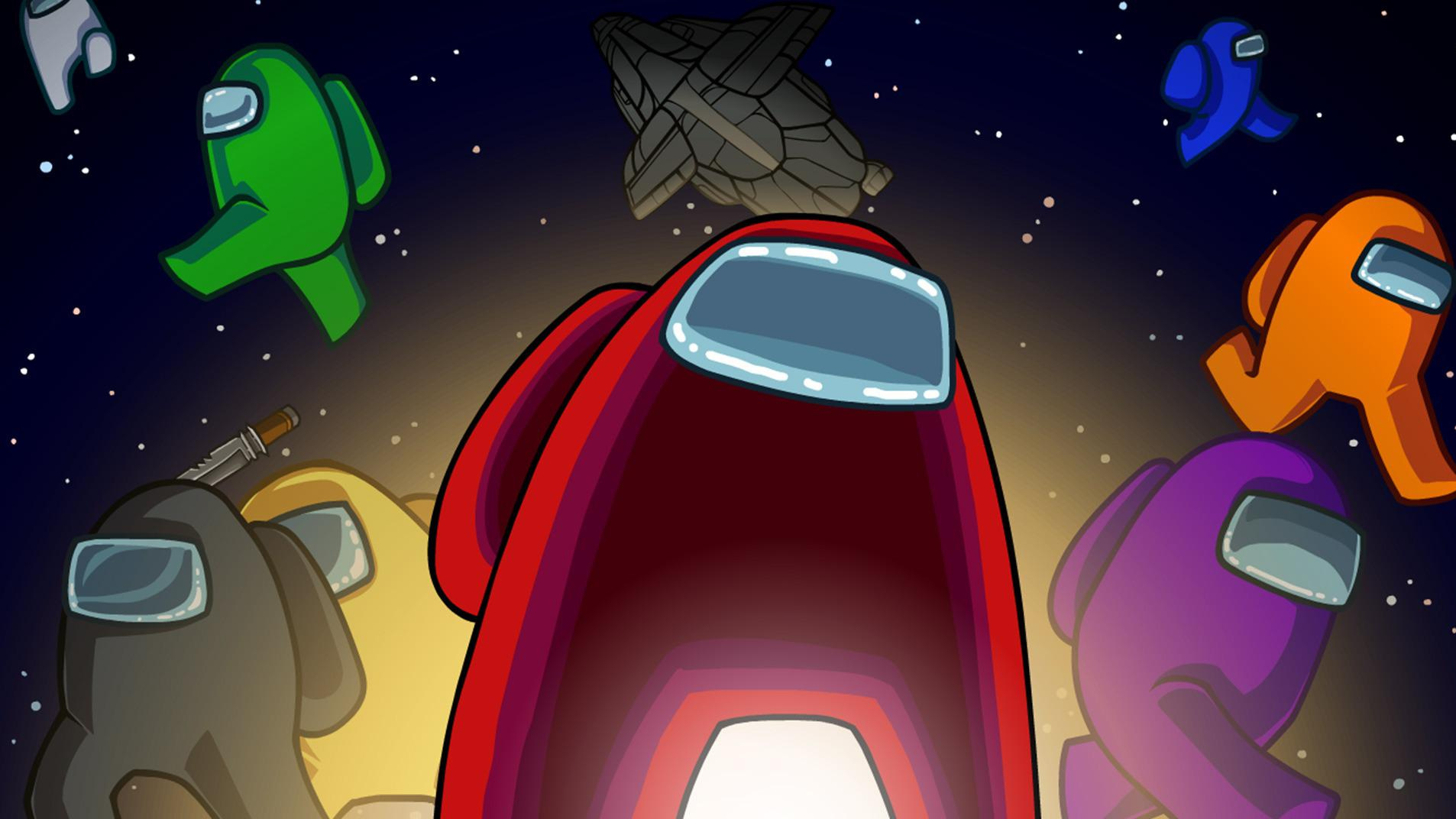
This indie title, released years before its explosion, perfectly captured the zeitgeist during a global lockdown. Its simple premise of deception and social deduction became a streaming phenomenon, fostering countless hours of emergent drama and hilarious betrayal. It proved that sometimes, the most profound internet "breaks" come from unexpected places, driven by community engagement and shared laughter.
from “10 Games That Broke The Internet” →
Who knew a simple social deduction game could explode into a global phenomenon? Its brilliance lies in its accessibility and the pure, chaotic fun of accusing your friends (or being the imposter). It reminds us that often, the most engaging experiences aren't about cutting-edge graphics, but about simple, clever mechanics that foster genuine human interaction.
from “12 Games So Good, They're Actually Worth Skipping the Red Carpet For” →
This one blew up for a reason, fam. It's literally just deception and trust, but in space with cute little beans. The pure chaos of trying to figure out who the imposter is, or pulling off a sneaky kill yourself, is unmatched. It’s peak social deduction, especially with your squad on Discord. Every game is a fresh set of accusations and wild theories that just spiral. Super sus, and the replays are always hilarious.
from “9 Games That Hit Different: Pure Vibes, No Cap” →
Among Us. Crewmates complete tasks to fix the ship. Impostors sabotage everything. It is a social deduction game of cunning. Trust no one. Accuse everyone. Communication is vital for survival. Deception is key for victory. It creates hilarious arguments. And sudden, shocking betrayals. Every round is a fresh mystery to solve. Then it is an exciting chase. It is simple. But it is endlessly replayable fun with friends.
from “Unlock Joy: 10 Games That Feel Like A Celebration” →