#1
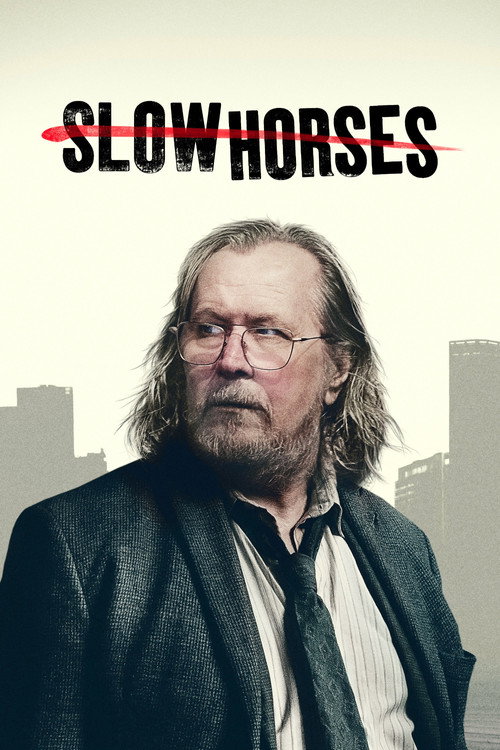
Slow Horses
Jackson Lamb runs Slough House like a punishment tour for washed-up spooks, and the show earns its stripes through sheer bureaucratic rot. Mick Herron's novels get stripped down to raw, acidic plotting where screw-ups have fatal weight. Gary Oldman anchors an ensemble that lives or dies by desk-bound logistics, tradecraft botches, and sharp pacing across tight six-episode seasons. The third-act shootouts are sloppy and chaotic. That unglamorous friction keeps the serialization gripping from cold open to finale.
#2
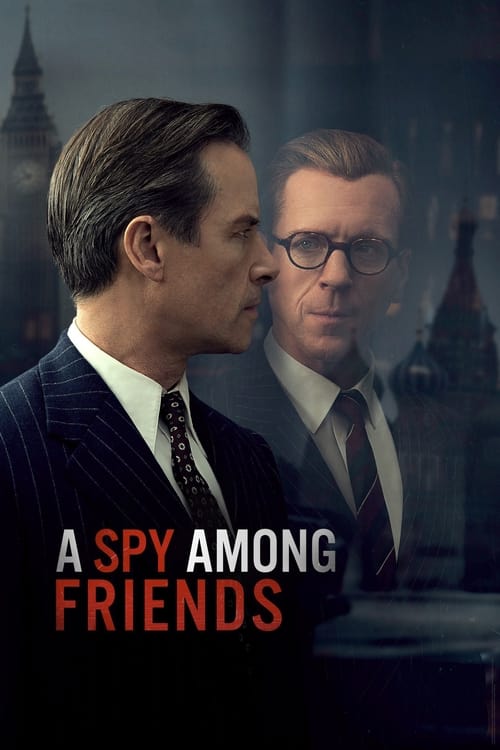
A Spy Among Friends
Nick Elliott confronting Kim Philby plays out as a slow-burn interrogation serial. The pivot points happen across smoky Beirut hotel rooms and drab London interrogation suites, mapping the fracture lines of British intelligence without theatrical pyrotechnics. Damian Lewis and Guy Pearce understand the long game here. Every quiet conversation unearths decades of class betrayal and institutional blind spots. It handles the Cambridge Five aftermath through deliberate restraint, letting the devastating emotional cost settle in the quiet final episode.
#3
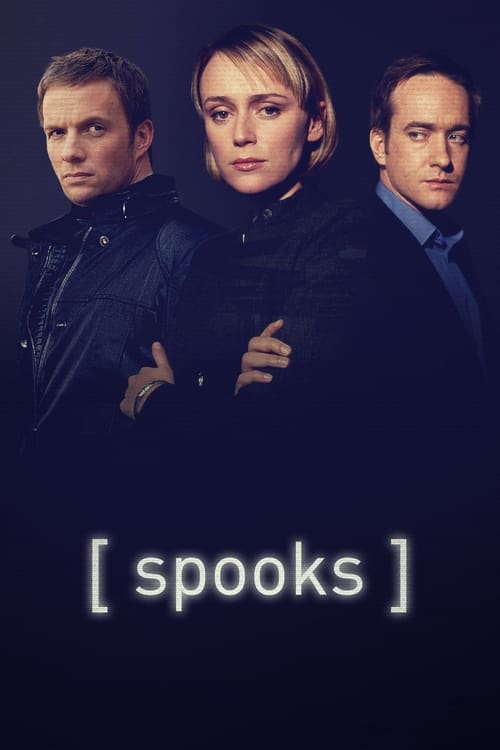
Spooks
The early 2000s BBC serial revolution peaked when Section D hit our television screens. Season one proved early on that plot armor did not exist, dropping a seismic, infamous deep-fat fryer twist in episode two that altered the landscape for serialized TV drama. The ensemble burns through field officers fast. Matthew Macfadyen carries the heavy moral toll before passing the baton. Cold opens kick straight into high-stakes terror threats, tracking grueling office politics and bleak tradecraft across ten full seasons.
#4
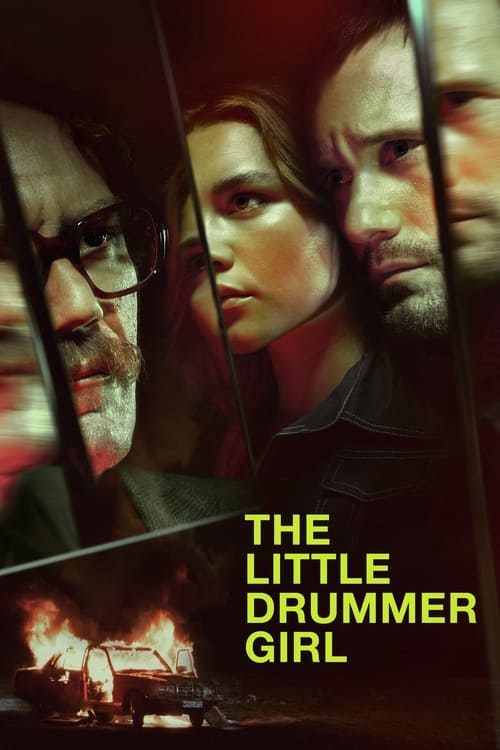
The Little Drummer Girl
Park Chan-wook brings surgical framing to John le Carré’s 1979-set narrative, building a six-part miniseries that dissects false identities. Florence Pugh plays an actress coerced into playing an undercover role by Michael Shannon’s Israeli operative team. The pacing prioritizes rehearsal and method over sudden action beats. Her indoctrination arc unfolds methodically, culminating in an earned third-act crisis of conscience. It avoids standard spy thrillers by treating every infiltration step as an intense, psychological theater performance where survival is precarious.
#5

The Capture
Ben Chanan’s surveillance conspiracy thriller operates on relentless, procedural paranoia. Holliday Grainger anchors the investigation as a rising detective caught between counter-terrorism bureaucracy and manipulated CCTV feeds. The season one arc weaponizes deepfake video tech long before it became an everyday anxiety. Each mid-season twist systematically strips away institutional trust, forcing the protagonist into impossible ethical corners. The plotting stays razor-sharp across both seasons, delivering cold opens that disrupt your sense of truth before the credits even roll.
#6

London Spy
Tom Rob Smith crafts an unconventional espionage narrative about Danny, an outsider trying to unpack his MI6 lover's cryptic murder. Ben Whishaw turns in a raw, vulnerable performance that propels the five-part arc through sterile interrogation rooms, aristocratic country estates, and bleak urban margins. The plot strips away traditional spy gadgetry to focus on institutional gaslighting. Its mid-series pivots feel genuinely disorienting, pushing toward a devastating finale that highlights how easily shadowy powers crush personal grief and inconvenient truths.
#7
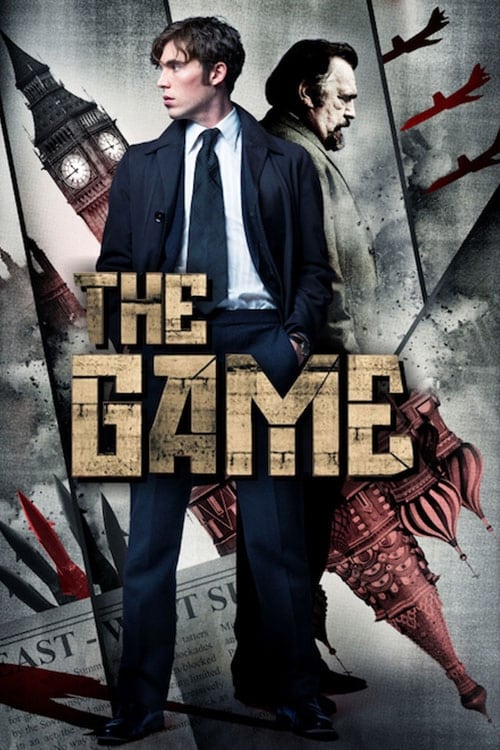
The Game
Toby Whithouse sets this Cold War slow-burn in 1972 London, where MI5 discovers a Soviet sleeper plot codenamed Operation Glass. Tom Hughes leads an ensemble of paranoid desk officers operating out of dim underground bunkers. The six-episode season functions like a meticulously plotted chess match. Clues emerge through microfiche searches, coded dead drops, and internal interrogations. The tension mounts as double agents are unearthed one by one, landing on an understated, earned finale that strips away any remaining mid-century romanticism.
#8
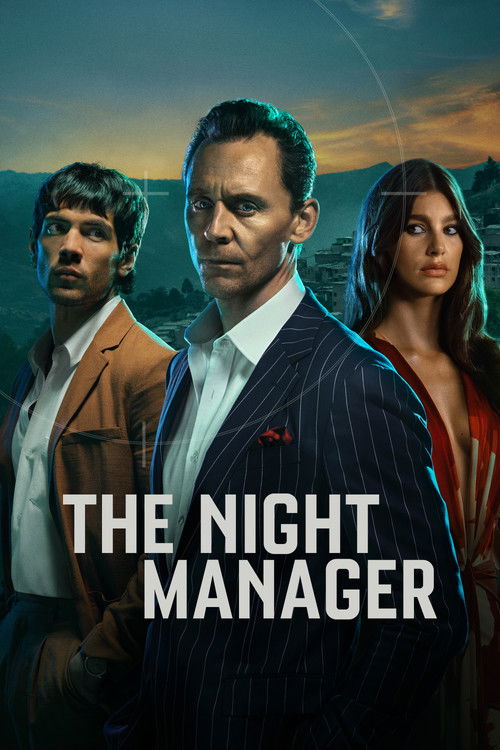
The Night Manager
Susanne Bier structures this Le Carré adaptation around high-wire undercover infiltration. Tom Hiddleston’s Jonathan Pine slips into the inner circle of Hugh Laurie’s charismatic arms dealer, Richard Roper. The luxury yachts and Mediterranean villas look seductive on the surface, but the storytelling stays grounded in grim geopolitical rot and bureaucratic betrayal back in Whitehall. Olivia Colman’s pregnant intelligence operative steals scenes from her cramped London office, anchoring the entire seasonal arc to its tense breaking point.
#9
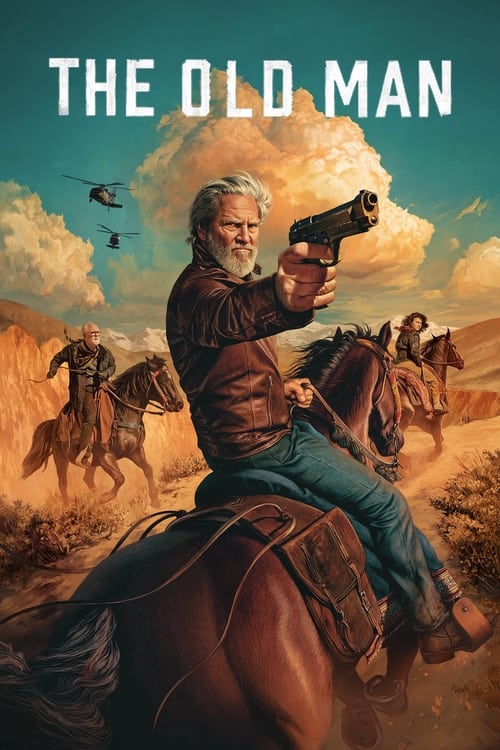
The Old Man
Jeff Bridges and John Lithgow anchor an existential cat-and-mouse serial that interrogates decades of black ops consequences. Dan Chase lives off the grid until his past catches up, igniting brutal, clumsy close-quarters fight choreography where aging bodies actually break. The first-season pilot sets a blistering standard, but the series truly shines during extended phone conversations between former allies now turned rivals. The narrative weight rests entirely on veteran character actors carrying the scars of forgotten foreign interventions into an unresolved finale.
#10

Condor
Updating Three Days of the Condor into a serialized thriller risks bloat, yet this version pulls it off by expanding the conspiracy's scope. Max Irons plays an analyst on the run after his entire office gets wiped out in a chilling early-season slaughter. William Hurt and Brendan Fraser bring unexpected eccentricities to the ensemble, while the plot interrogates post-9/11 domestic surveillance and corporate privatized intelligence. The pacing rarely sags, delivering tense safehouse standoffs and tight cliffhangers that reward episodic bingeing.
0 / 10