#1
Ghosts
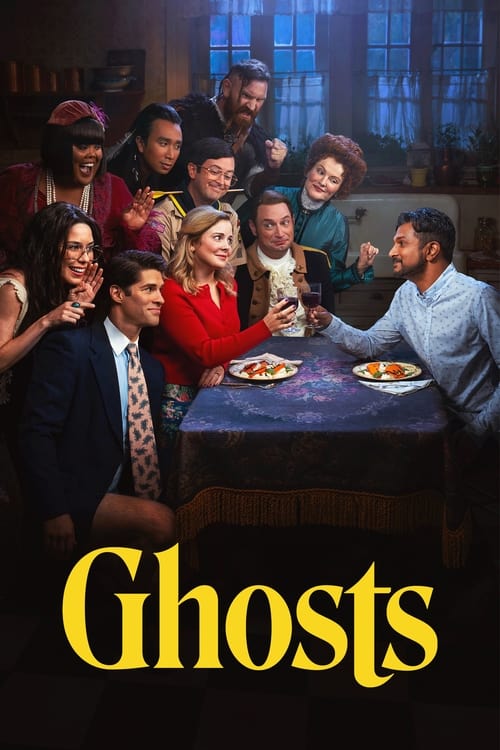
Adapting British half-hours for network TV usually dilutes the formula, but this writers' room mapped out its long game early. Each spectral roommate gets dedicated flashback cold opens, peeling back centuries of personal baggage episode by episode. Jay and Sam anchor the chaos, giving the house a domestic center while subplots rotate cleanly across the ensemble. By pacing the lore reveals across standard twenty-two-episode season orders, the series earns every breakthrough and keeps the estate lively.
#2
What We Do in the Shadows
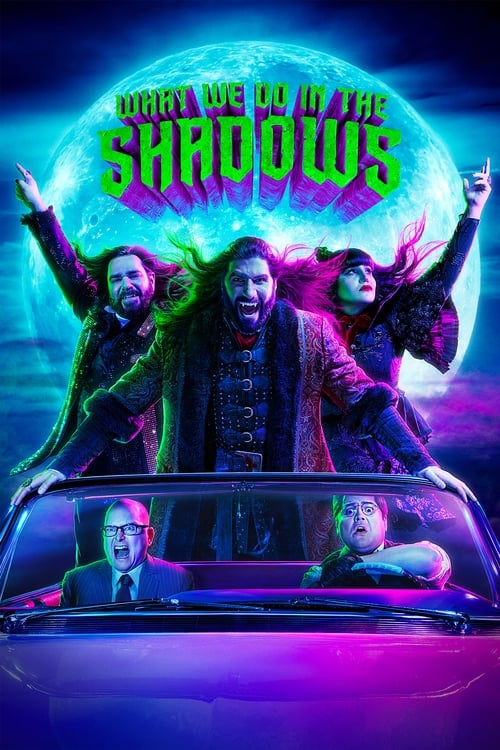
Spinning off a cult mockumentary requires serious structural discipline. The Staten Island vampire house works because Guillermo’s slow-burn identity crisis anchors the absurd roommate rivalries. Seasons build toward massive pivots—from familiar council hearings to high-stakes ancestral reveals—without resetting the board to zero every September. Matt Berry and Natasia Demetriou chew scenery, but the real serialized engine is how power shifts between master and familiar. It treats episodic misadventures as stepping stones toward legitimate character reckonings.
#3

Wellington Paranormal
Procedural rhythms meet supernatural workplace drudgery here, playing like a low-budget Kiwi answer to early seasons of The X-Files. Officers Minogue and O’Leary treat mutant plants and demonic possessions with the flat bureaucratic fatigue of writing parking tickets. The episodic mystery-of-the-week setup never gets bogged down by heavy mythology. Instead, Sergeant Maaka’s briefings provide just enough serialized glue to hold the squad together. It stays exceptionally lean, trusting deadpan comic timing over elaborate genre set pieces.
#4

Reaper
A quintessential mid-2000s bubble show, this CW gem balanced monster-of-the-week tracking with a genuine serialized mystery. Sam’s mundane big-box retail job provided the comic baseline, but Ray Wise’s devilish charm turned every contract assignment into high-stakes drama. The supporting bench—Sock and Ben—kept the half-slacker, half-apocalyptic tone grounded. It knew how to deliver sharp mid-season twists before network cancellations cut its legs out. Watching Sam piece together his demonic paternity remains a top-tier serialized pleasure.
#5
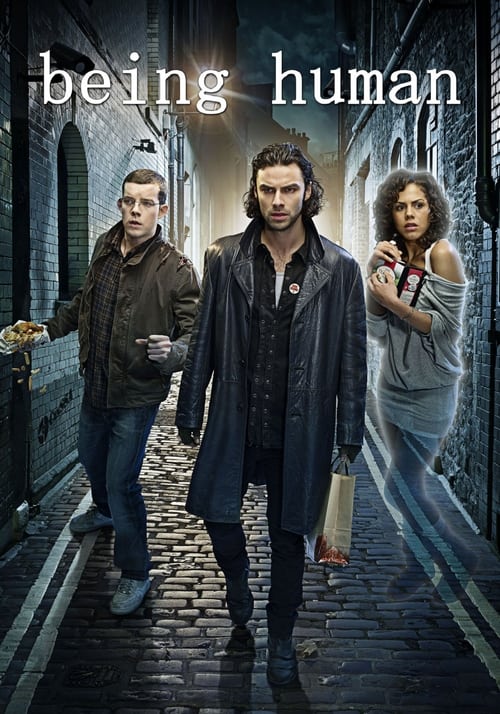
Being Human
Toby Whithouse cracked the supernatural flatshare premise by grounding it in gritty Bristol reality. Mitchell, George, and Annie deal with horrific curses alongside chore wheels and nosy landlords. The series embraces genuine dramatic stakes, treating each six-episode run as a cohesive, escalating tragedy rather than disposable comedy. Ghostly mechanics feel heavy, lycanthropy hurts, and bloodlust carries real moral consequences. It proves that character-driven balance and genre humor thrive when the seasonal threats pack authentic, devastating weight.
#6

School Spirits
Trapping a dead teenager in high school detention purgatory could easily curdle into teen-drama melodrama. Instead, this mystery-box comedy treats ghost support group dynamics with procedural rigor. Maddie’s investigation into her own demise gives the plot a relentless weekly engine, while her spectral peers get layered, heartbreaking historical sketches. The mid-season reveals hit hard because the high school hallway politics mirror genuine existential grief. When the season finale twist lands, every piece of foreshadowing clicks into place.
#7
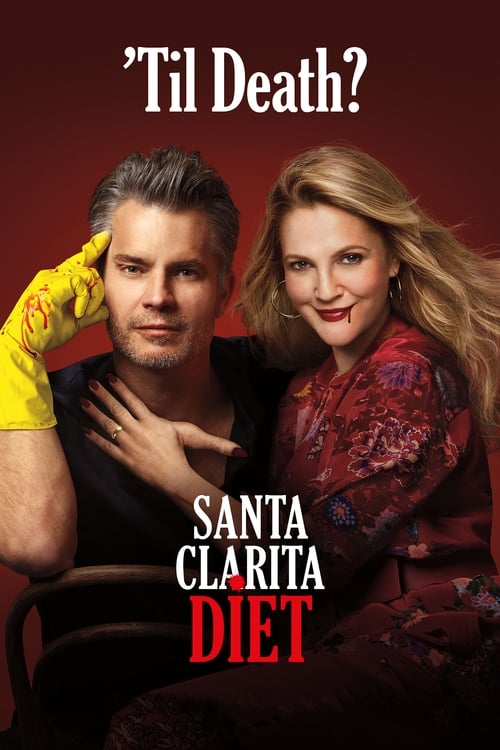
Santa Clarita Diet
Victor Fresco understood the mechanics of domestic panic better than almost anyone in streaming comedy. Sheila’s sudden undead transformation triggers an airtight chain reaction of suburban escalation. Timothy Olyphant’s frantic, supportive husband performance anchors the sheer gore, while Abby and Eric handle the neighborhood sleuthing with sharp comic precision. The series treated each season like a pressure cooker, continuously raising the collateral damage without losing its suburban focus. That abrupt cancellation still stings for plot purists.
0 / 7