



#1

Final Table
Yesterday's premiere laid down a classic high-stakes tournament format, setting up clear narrative stakes across the brigade. Kang Han carries an aura of mystery that immediately hooks your attention, while Song-yi brings grounded desperation with her livelihood hanging in the balance. Woo-jin plays the uncompromising perfectionist foil right on cue. It tracks the emotional weight beneath professional pride, tracking how fierce competitive pressure and mutual survival force rivals into finding unexpected kinship over the heat of the line.
#2

Alice in Borderland
Prestige survival fiction lives or dies by its mid-season pivot, and episode three's Seven of Hearts game detonated this series' entire trajectory. Shuntaro Chishiya understands the real game being played: survival here requires psychological warfare, reading tells, and weaponizing silence. The King of Diamonds math trial in season two shows the writers building out a genuine battle of wits, where a single calculated bluff outweighs raw physical stamina. The finale gives those calculated gambles an earned narrative payoff.
2 critics · 3 lists →
#3

The Genius
Korean unscripted television cracked open serialized perfection right here. The format treats every Main Match like a political drama episode, rewarding backroom whispers and brutal double-crosses. Sangmin proved that raw calculation loses to charisma and theatrical lying, while Jinho played the silent strategist biding his time for the Death Match. You get multi-episode rivalries, betrayals in the green room, and an elimination gauntlet where playing your cards close to the chest is the only survival strategy.
#4

Akagi
Madhouse stretched the Washizu Mahjong arc across dozens of episodes, creating one of the most agonizing, brilliant war-of-attrition narratives ever animated. Akagi sits across the table betting his literal blood against an old monster's fortune. Every discarded tile carries tectonic weight. The show commits entirely to psychological poker face, letting internal monologues and mathematical probabilities stretch real-time minutes into entire half-hours of television. It demands patience, but watching a sociopathic genius out-bluff death itself pays off completely.
#5
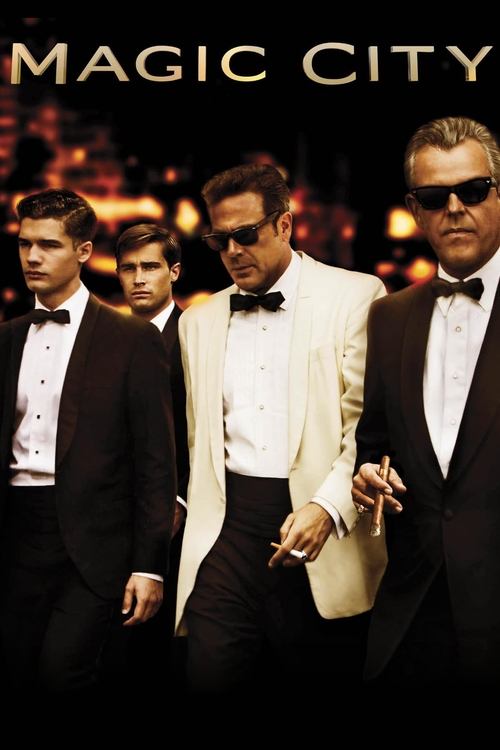
Magic City
Starz delivered a gorgeous, slow-burn noir arc tracking Ike Evans as he tries to keep the Miramar Playa afloat. The drama hinges on Ike running a constant, sweating poker face between mob boss Ben Diamond and Cuban revolutionaries. Every scene feels like a backroom negotiation where showing a flicker of weakness means ruin. Jeffrey Dean Morgan plays Ike with tight-jawed elegance, knowing that one miscalculated alliance in late-fifties Miami brings the entire glamorous empire crashing straight down.
#6

The Devil's Plan
Jung Jong-yeon returned to the locked-room genre with a fierce ensemble dynamic built for binge-era viewing. Orbit's utopian crusade to protect the weak created an ideological civil war inside the living quarters, forcing hard-nosed competitors like Ha Seok-jin to adapt. The prison vault storyline added a secret B-plot that rewarded patient deduction. When Seok-jin executed his calculated, stone-cold endgame pivot during the blind gomoku match, the entire season snapped into place with devastating narrative clarity.
#7

Vegas
Nicholas Pileggi gave CBS a serialized clash of titans that felt straight out of the golden era of mid-budget television. Michael Chiklis played Vincent Savino as a Chicago mobster running the Savoy Casino, bluffing investors and concealing bodies while Dennis Quaid's cowboy sheriff squeezed him from the outside. Their cat-and-mouse dynamic gave the single-season arc real teeth. Every sit-down between them was a tense game of chicken, testing who would blink first under the neon lights.
#8
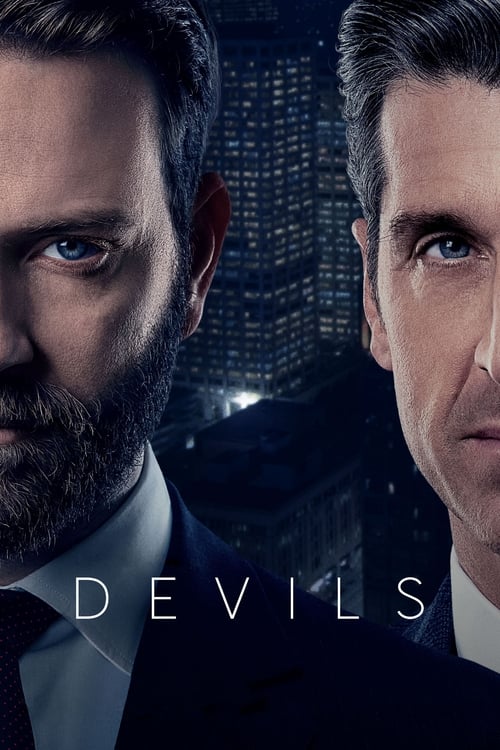
Devils
Financial trading gets treated like cutthroat espionage in this slick European co-production. Massimo Ruggero spends the season caught in a lethal chess match with his mentor Dominic Morgan against the backdrop of the 2011 European debt crisis. The series thrives on information asymmetry. Every market move is a calculated bluff, disguising massive collateral damage behind clean suits and computer terminals. Patrick Dempsey plays the villainous patriarch with icy calm, making every boardroom standoff feel like a death sentence.
0 / 8