
#1
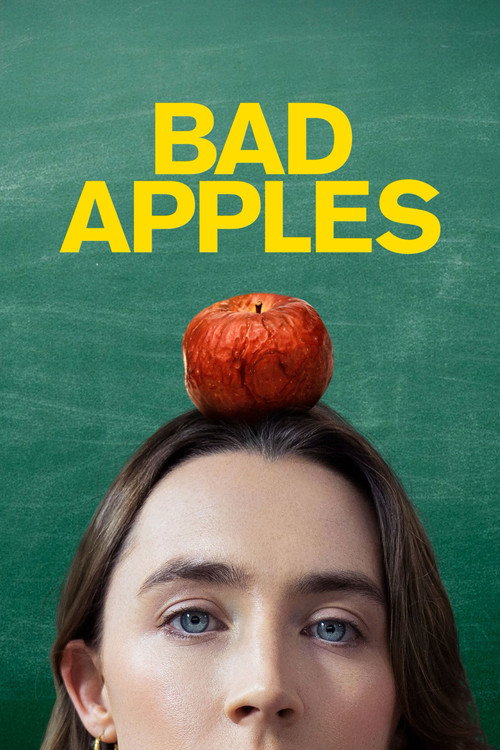
Bad Apples
This hit screens in September, and it lays bare the exact rot people try to sweep under the rug. When a foul-mouthed, violent kid pushes an educator past her breaking point, the neighborhood looks away to protect its polite illusions. It fits right alongside the classic moral panic pictures, tracking how easily ordinary folks stomach outrageous behavior just to avoid confrontation. Grab a physical release if you want to dodge the awful macroblocking in those dim suburban night exteriors.
#2
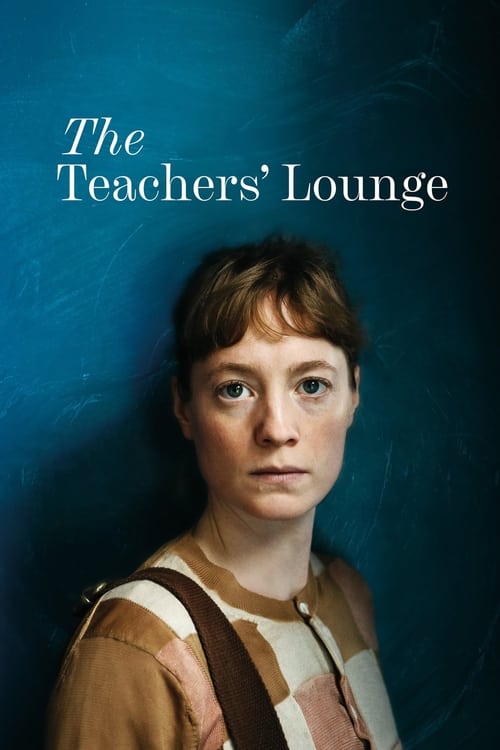
The Teachers' Lounge
Ilker Çatak shoots this pressure cooker in a boxy academy ratio, trapping Leonie Benesch between staff room politics and classroom theft. The cutting keeps your neck muscles knotted. You can hear every nervous chalk scrape and muffled insult across that tight stereo mix. Most modern thrillers drown you in fake CGI noise, but here the sound design relies on real hallway acoustics to build dread. Hunt down the German Blu-ray instead of choking on murky bitrate artifacting on domestic streams.
#3

Confessions
Tetsuya Nakashima pushes desaturated color timing to the bleeding edge here. Every frame drips with rain, phantom-cam slow motion, and bitter vengeance as a grieving teacher methodically dismantles her students' lives. The editing has a rhythmic, surgical snap that puts lazy Hollywood jump cuts to shame. Digital streaming obliterates the subtle shadow work in Nakashima’s cold school corridors. Track down the Third Window Blu-ray to appreciate the uncompressed audio track, especially when Radiohead crashes through the auditorium loudspeakers.
#4
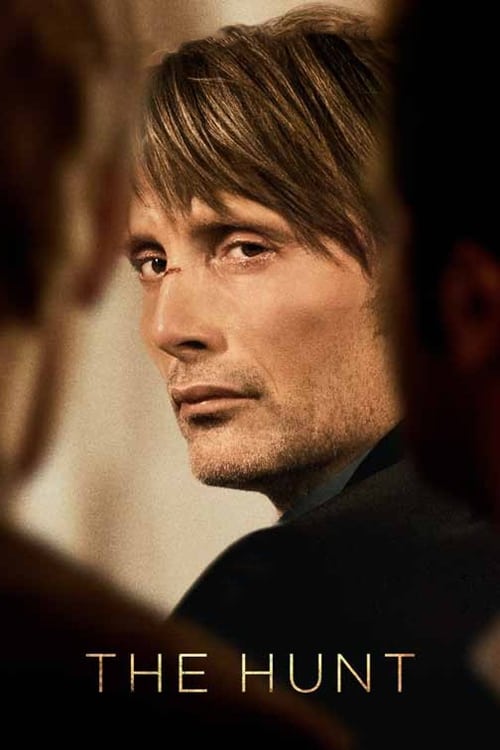
The Hunt
Thomas Vinterberg uses Charlotte Bruus Christensen’s handheld camera to smother you in Danish autumn light. Mads Mikkelsen plays a kindergarten teacher shredded by a child’s offhand lie, and watching the community close ranks feels downright nauseating. There are no splashy visual tricks here, just patient framing and brutal, razor-sharp pacing. The church confrontation proves what great blocking accomplishes without an overbearing score. Pick up the disc release; streaming platforms smear the fine grain and crush those deep forest blacks.
#5
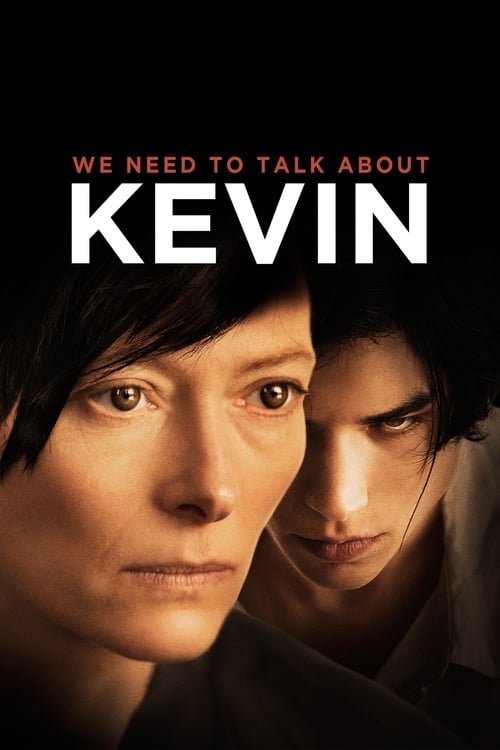
We Need to Talk About Kevin
Lynne Ramsay shot this on 35mm with Seamus McGarvey, treating red paint and tomato soup like physical contaminants. Joe Bini’s non-linear editing stitches Tilda Swinton’s maternal guilt together with jarring acoustic transitions that rattle your ribcage. Notice how sound designer Paul Davies turns lawnmowers and bicycle spokes into instruments of psychological torture. You miss the tactile texture of that photochemical grain when an algorithm downsamples it for web television. Keep the physical disc on your shelf forever.
#6

if....
Lindsay Anderson switching between crisp black-and-white stock and rich Eastmancolor was born of budget limits, yet it gives this boarding school insurrection an unhinged, dreamlike cadence. Miroslav Ondrícek operates the camera with an aggressive, predatory precision while young Malcolm McDowell smolders on screen. The Criterion transfer preserves the authentic optical print flaws that give British counterculture cinema its teeth. When the final rooftop firefight erupts, the sheer mechanical punch of real blank fire echoes through your speakers.
#7
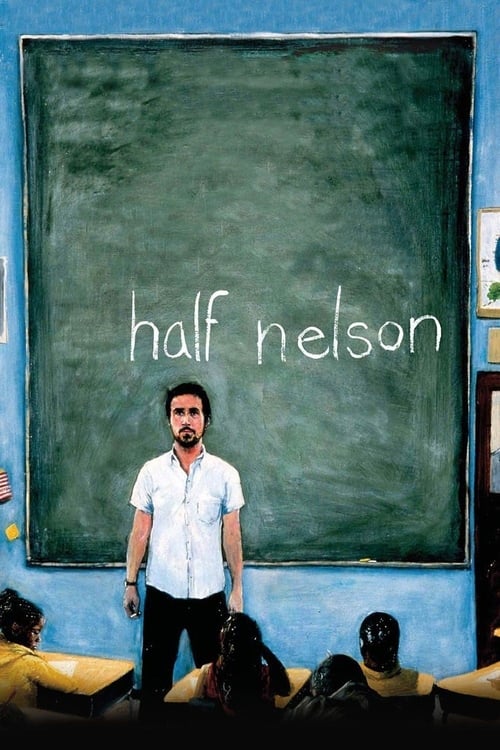
Half Nelson
Ryan Fleck and Anna Boden chose gritty Super 16mm for this Brooklyn drama, and that rough grain structure does half the heavy lifting. Ryan Gosling plays an inner-city history teacher hiding a crack addiction while mentoring a sharp eighth grader. The handheld operator stays right inside Gosling’s failing personal orbit. You get zero glossy Hollywood sentimentality, just muddy locker rooms and fluorescent hums. It captures classroom exhaustion better than slick modern productions shot on sterile digital sensors.
#8

The Lesson
Kristina Grozeva and Petar Valchanov strip away every scrap of cinematic fat here. Margita Gosheva plays an upright Bulgarian schoolteacher who hunts down a student thief, only to find herself trapped in a vicious debt spiral. The camera sits glued to the nape of her neck in suffocating long takes with raw, natural light. No canned orchestral cues or stylized lighting schemes exist to cushion the blow. That bleak Eastern European realism makes Hollywood moral fables look pathetic.
0 / 8