
#1
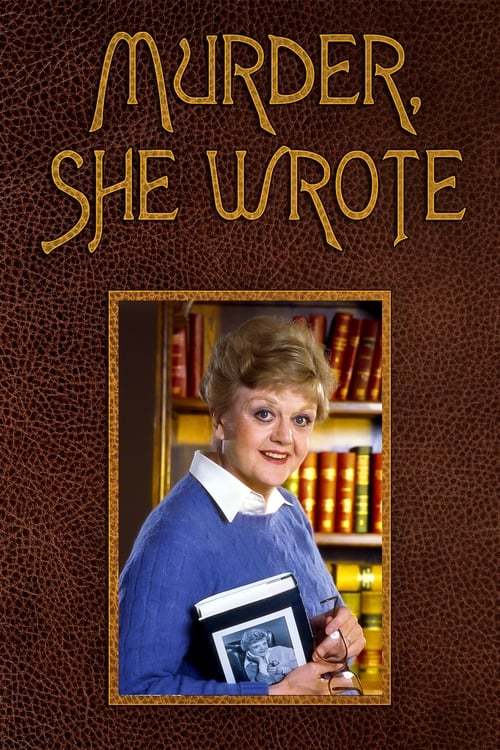
Murder, She Wrote
Angela Lansbury pedaling around Cabot Cove on a three-speed bicycle beats any four-part, high-gloss streaming docuseries about serial killers. This is pure Sunday night network television gold, shot on warm film stock that smells like freshly baked blueberry pie. Jessica Fletcher clacks away on an antique manual typewriter, outsmarting smug local sheriffs while the body count in coastal Maine quietly rivals a war zone. You get soft-focus guest stars, zero gore, and peak broadcast comfort.
#2
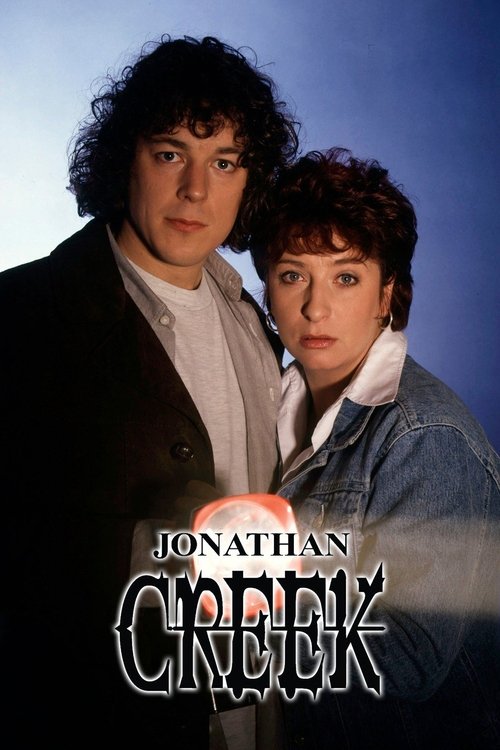
Jonathan Creek
Alan Davies lives in a dusty windmill and designs stage illusions for a pompous magician, spending his off hours debunking impossible locked-room homicides. Pairing him with Caroline Quentin gave the BBC a razor-sharp, slightly scruffy mystery hour soaked in late-nineties dampness. The solutions involve trapdoors, mirrors, and practical theater trickery rather than forensic computer screens. Watching a shaggy guy in a duffle coat solve bizarre crimes over lukewarm tea feels wonderfully grounded and genuinely eccentric.
#3
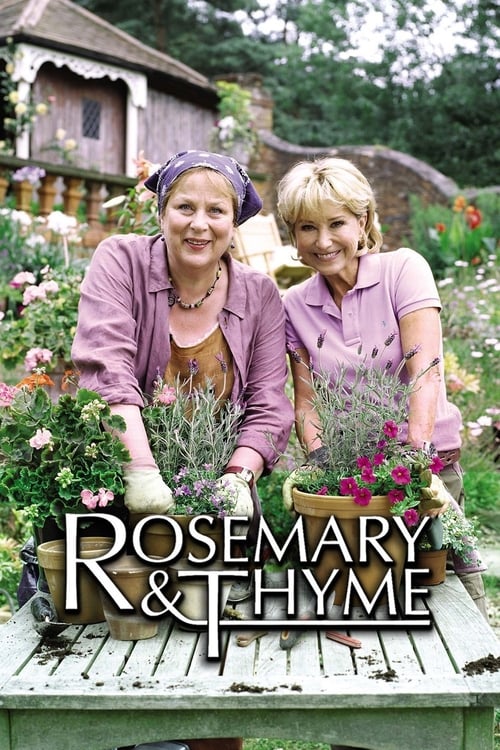
Rosemary & Thyme
Two middle-aged gardening enthusiasts roam the English countryside in an old Land Rover, digging up perennial borders and stumbling over corpses wedged into compost heaps. Pam Ferris and Felicity Kendal bring prickly charm to every single episode, treating botany and homicide with equal gravity. The show looks like an over-saturated seed catalog broadcast on a rainy afternoon. Murder plots get solved between pruning shears and Latin plant names, delivering zero dread and tons of comforting floral foliage.
#4
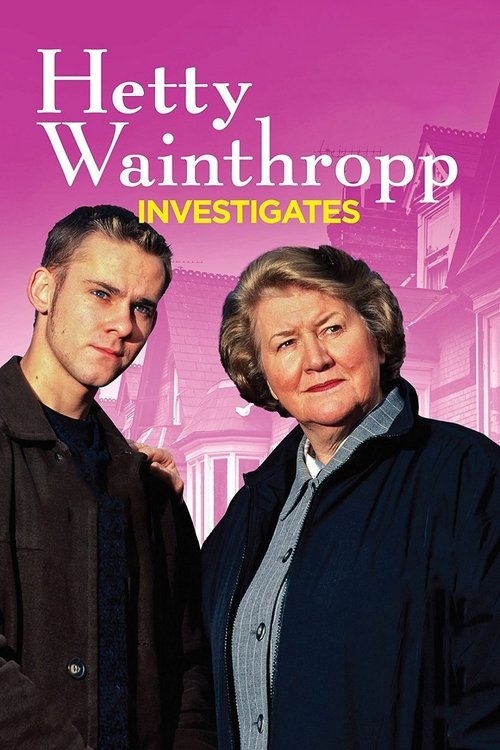
Hetty Wainthropp Investigates
Patricia Routledge trades sitcom screeching for a sensible mac and a pocket notebook as a working-class pensioner turned unlicensed private investigator. Backed by a young Dominic Monaghan, Hetty tackles village frauds, petty thefts, and local mischief from her council estate kitchen table. Forget high-tech surveillance vans; she tracks suspects by catching local buses and asking nosey questions. It captures a grey, soggy northern England reality where dignity, cheap teabags, and plain common sense outshine flashy detective drama.
#5

Pie in the Sky
Richard Griffiths plays Henry Crabbe, a weary police detective who just wants to run his country restaurant, but his corrupt boss keeps dragging him back to investigate weird cases. Food preparation gets as much loving screen time as the actual sleuthing. You can smell the braised steak and pastry through the television tube. It is a slow-burn pleasure built on dry wit, middle-aged stubbornness, and kitchen clatter, completely free of modern procedural hysterics and grim autopsies.
#6
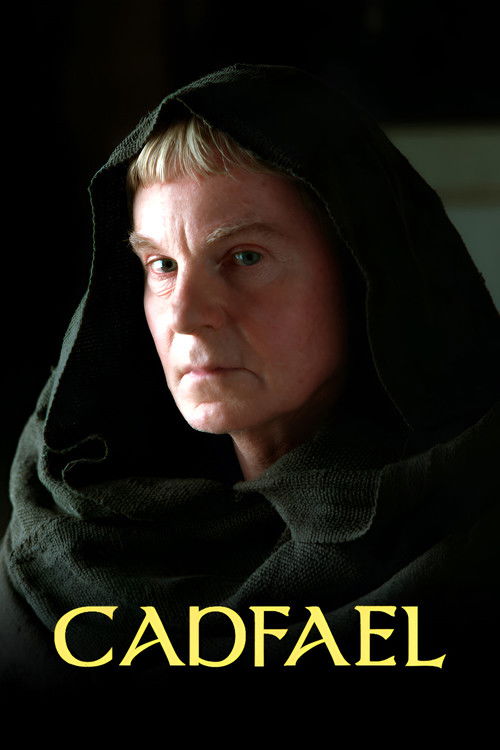
Cadfael
Derek Jacobi dons a brown wool habit to play a twelfth-century Welsh monk solving medieval murders using herbal remedies and worldly intuition. Filmed with earthy grime, flickering candles, and misty Shropshire woods, this series feels tangible and wonderfully tactile. There are no synthetic digital shortcuts here, just hand-woven cloaks, muddy cloisters, and monastic politics. Jacobi gives Cadfael a weary, humane warmth that makes every quiet deduction feel earned. It offers absolute immersion for anyone tired of sterile modern thrillers.
#7
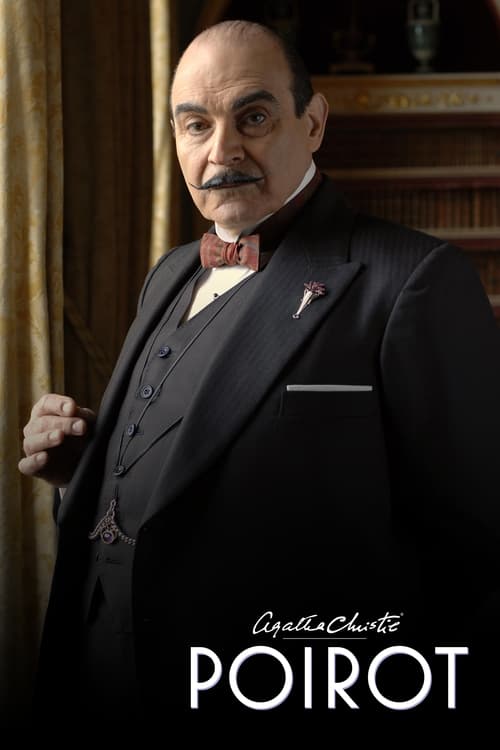
Agatha Christie's Poirot
David Suchet became the definitive Belgian sleuth across decades of production, but those early seasons possess an unmatched Art Deco haze. Christopher Gunning's iconic alto sax theme floats over gleaming London apartment buildings, immaculate suits, and Poirot's obsessively waxed mustache. Hugh Fraser's Captain Hastings provides the perfect befuddled foil. Every episode unspools like an afternoon cup of Earl Grey, letting you marvel at period architecture and theatrical drawing-room denouements while genuine film grain softens every frame.
#8
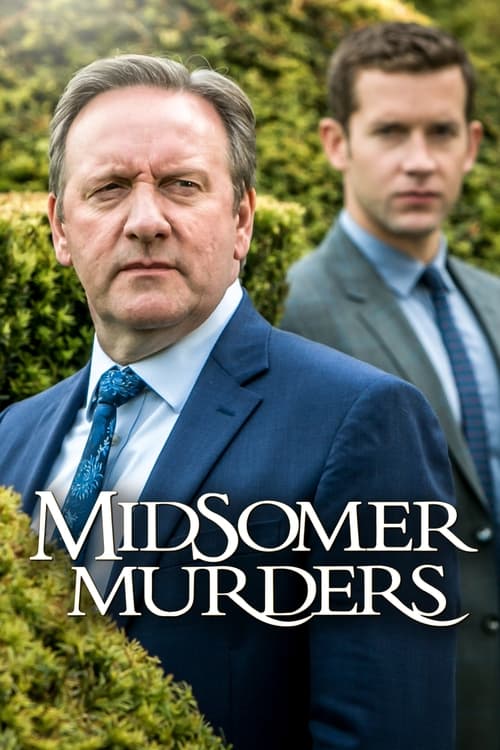
Midsomer Murders
John Nettles walking through picturesque thatched villages where aristocrats kill each other with giant wheels of cheese or ancient catapults is quintessential cozy madness. The eerie theremin theme music instantly cues an absurdly high mortality rate hidden behind village fetes and rose bushes. Early seasons thrive on eccentric English rural snobbery and lush celluloid greens. You never feel traumatized because the bizarre methods and village melodrama keep the gore entirely theatrical and delightfully unhinged.
#9
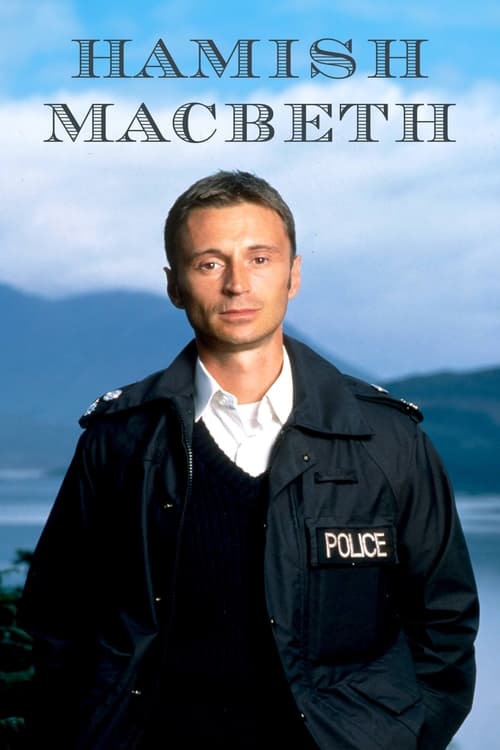
Hamish Macbeth
Before Robert Carlyle broke out into Hollywood blockbusters, he wore a rough wool sweater as a pot-smoking Scottish Highland constable with a loyal Westie named Wee Jock. Lochdubh is packed with idiosyncratic locals, coastal fog, and pub banter. Hamish spends most of his energy actively covering up minor crimes so outside police forces stay away from his idyllic turf. The show breathes salty Atlantic air and relaxed nineties television pacing, offering pure soul over flashy action.
#10

Diagnosis: Murder
Dick Van Dyke tap-dancing his way through hospital corridors while solving homicides with his real-life son is ninety-degree afternoon syndicated television at its absolute apex. Dr. Mark Sloan routinely ignores his medical rounds to wander into crime scenes, roller-skating or doing magic tricks to rattle murderers. It has that unmistakable sunny Southern California videotape glow and zero pretension. You watch it for the sheer joy of seeing an old-school vaudeville legend bring breezy cheer to murder investigations.
#11
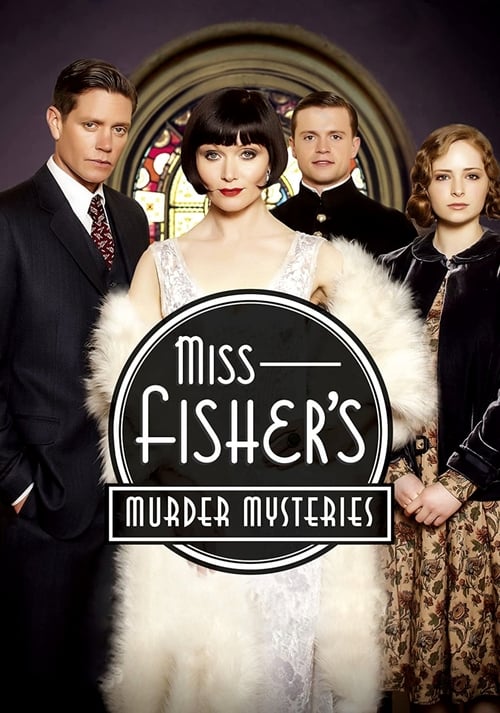
Miss Fisher's Murder Mysteries
Essie Davis tears through 1920s Melbourne as Phryne Fisher, packing a gold-plated pearl-handled revolver and an eye-popping wardrobe of silk kimonos and beaded cloche hats. She flies her own biplane, flirts with Nathan Page's brooding Inspector Robinson, and champions working-class underdogs. Even though it arrived in the digital era, the series embraces brassy pulp theatricality and lush costuming that make modern television look hopelessly drab. It delivers pure vintage swagger wrapped in an upbeat jazz-age mystery format.
0 / 11