
1 / 10
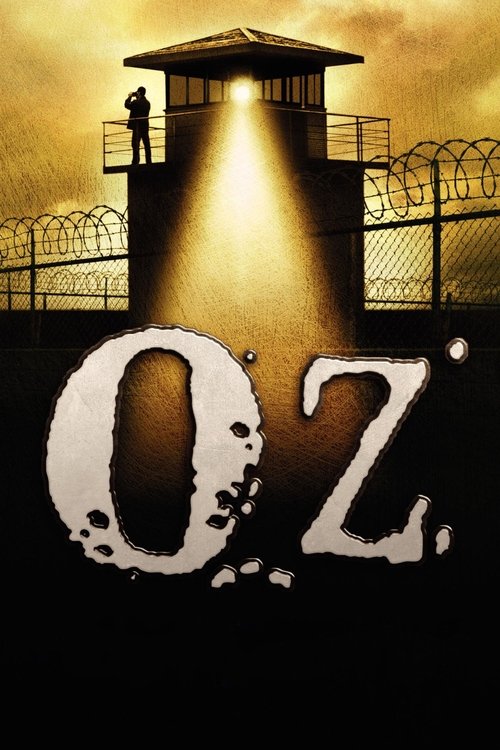
1. Oz
Before prestige TV became a buzzword, HBO unleashed *Oz*. This wasn't your father's prison drama; it was raw, unapologetic, and utterly brutal. Its ensemble cast navigated a moral labyrinth, pioneering serialized storytelling where no character was safe. It set the bar for cable's willingness to go places network television wouldn't dare, cementing HBO's reputation for risk-taking, mature content.
2 / 10
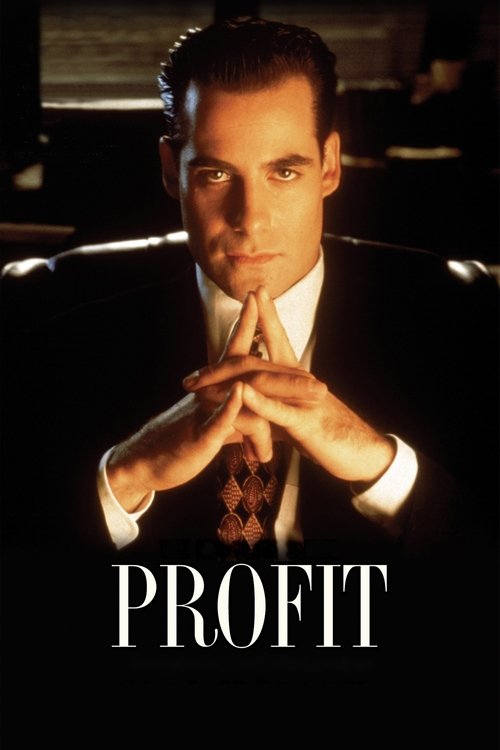
2. Profit
Fox took a wild swing with *Profit*, a corporate thriller starring Jim Profit, television's most deliciously amoral anti-hero long before Walter White. He'd literally commit murder for a promotion. This show was too dark, too cynical, and too brilliant for mid-90s network TV. It vanished quickly, but its edgy, serialized narrative foreshadowed cable's coming anti-hero obsession.
3 / 10
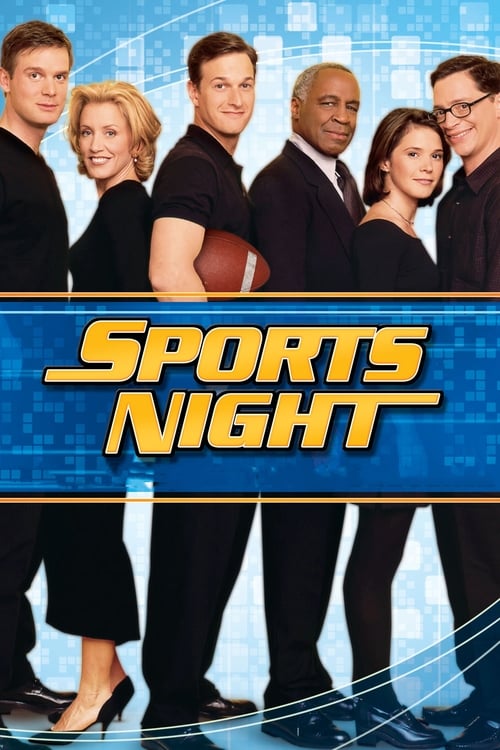
3. Sports Night
Aaron Sorkin's signature walk-and-talk debuted here, showcasing a lightning-fast ensemble dynamic behind a cable sports news desk. It married the multi-cam sitcom format with a single-camera dramatic sensibility, a hybrid approach that felt fresh. Its idealism often clashed with the network's desire for laughs, but the sharp writing and character beats were undeniably groundbreaking.
4 / 10

4. The Comeback
Lisa Kudrow's Valerie Cherish, captured through a relentless mockumentary lens, was a masterclass in cringe comedy and meta-commentary on fame. HBO let it dissect the brutal realities of a fading star clinging to relevance, often uncomfortably. It was a risky, honest portrayal of Hollywood narcissism, a serialized character study that felt incredibly ahead of its time for its unique format.
5 / 10
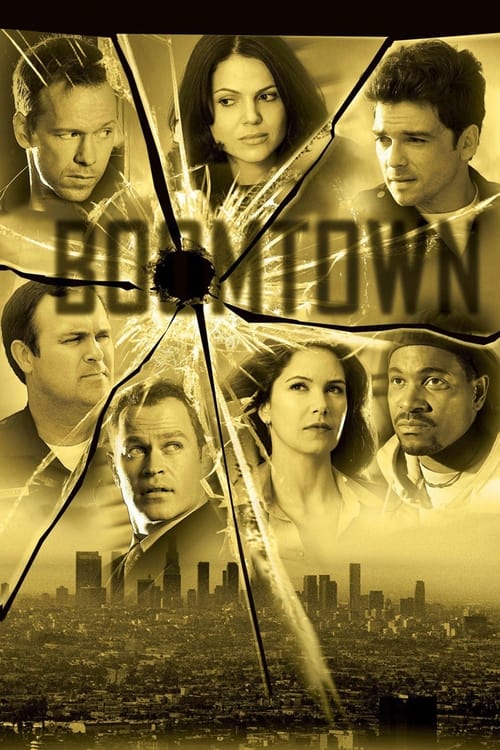
5. Boomtown
NBC’s *Boomtown* was a procedural, but calling it that feels reductive. It embraced non-linear storytelling, showing events from multiple perspectives, often cinematic in its execution. This ensemble drama dissected a single crime through the eyes of cops, victims, and perpetrators. It demanded attention and felt like a mini-movie every week, a bold experiment for network television.
6 / 10
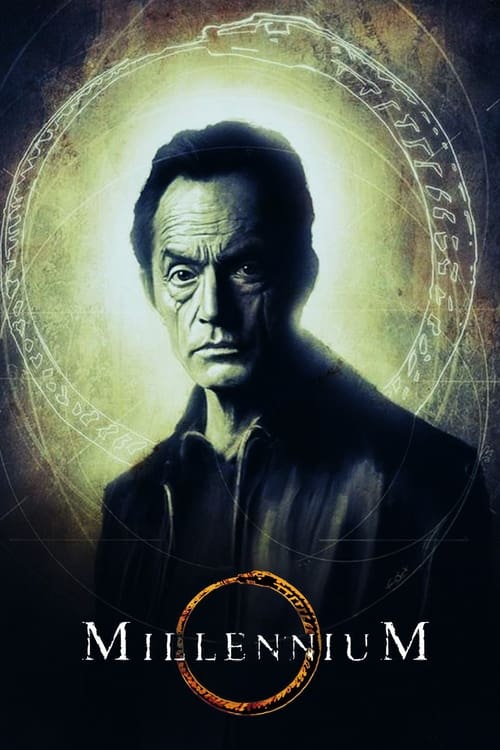
6. Millennium
From Chris Carter post-*X-Files*, *Millennium* plunged into the darkest corners of the human psyche. Frank Black's ability to "see" evil was a chilling premise, wrapped in an atmospheric, deeply unsettling serialized narrative. It was psychological horror with a disturbing, almost prophetic edge, showcasing Fox's early willingness to push genre boundaries and explore darker themes.
7 / 10
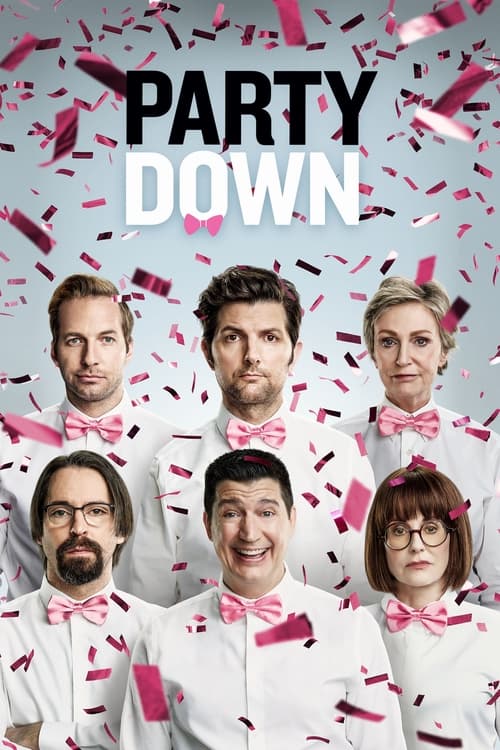
7. Party Down
This Starz gem about a catering crew was a perfect blend of ensemble comedy and melancholic observation. Each episode was a self-contained disaster, yet the serialized character arcs and unfulfilled dreams gave it surprising depth. It mastered the mockumentary-adjacent style, revealing the heartbreaking absurdity of Hollywood's periphery. A genuine cult classic that deserved so much more.
8 / 10
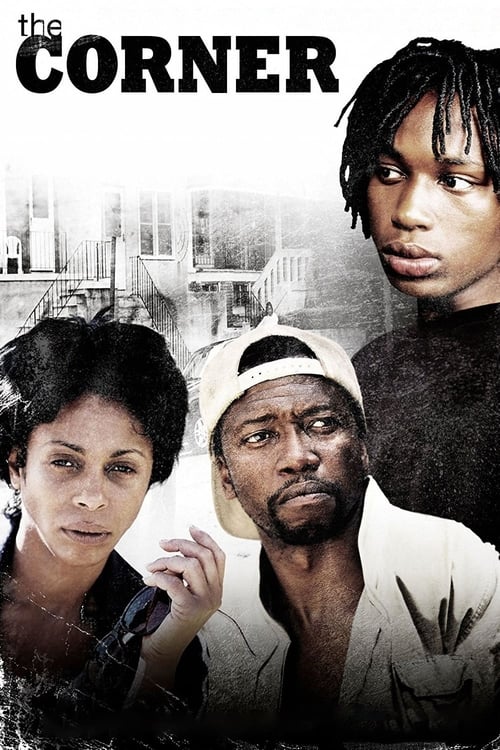
8. The Corner
David Simon’s harrowing HBO miniseries, a stark precursor to *The Wire*, offered an unflinching, docu-drama look at a West Baltimore drug corner. Its raw realism and intimate character portraits were groundbreaking. It wasn't just storytelling; it was anthropology, a powerful example of cable's commitment to difficult, important narratives that network television simply wouldn't touch.
9 / 10
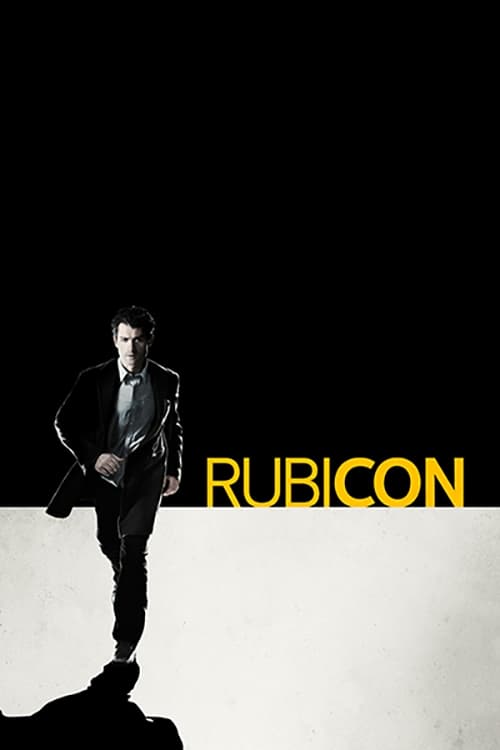
9. Rubicon
AMC, fresh off *Mad Men*, delivered *Rubicon*, a quiet, meticulously crafted conspiracy thriller. Its slow-burn pacing and intellectual depth about an intelligence analyst uncovering secrets were a daring choice for cable. It demanded patience, rewarding viewers with intricate plotting and complex characters, a serialized drama that felt like a long, dark novel unfolding.
10 / 10
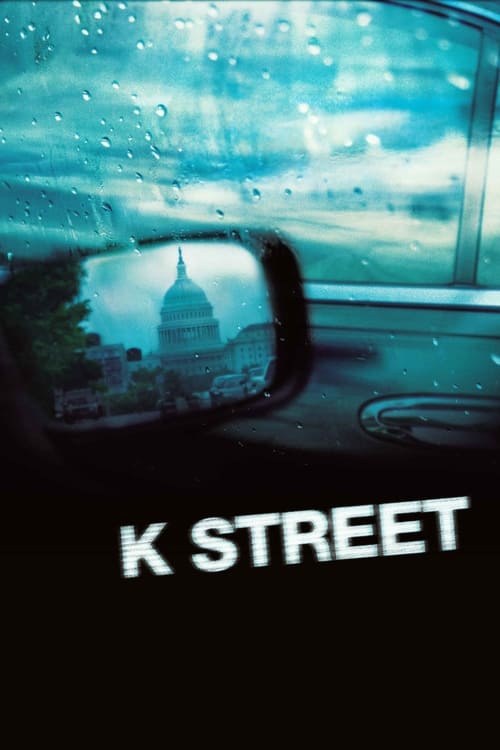
10. K Street
Soderbergh and Clooney's HBO experiment was audacious. Part improvised drama, part real-time political commentary, it blended fiction with actual D.C. events and real political figures. This mockumentary-style show was way ahead of its time, feeling less like a scripted series and more like a live, evolving performance. It's a foundational text for later meta-narrative TV.