#1
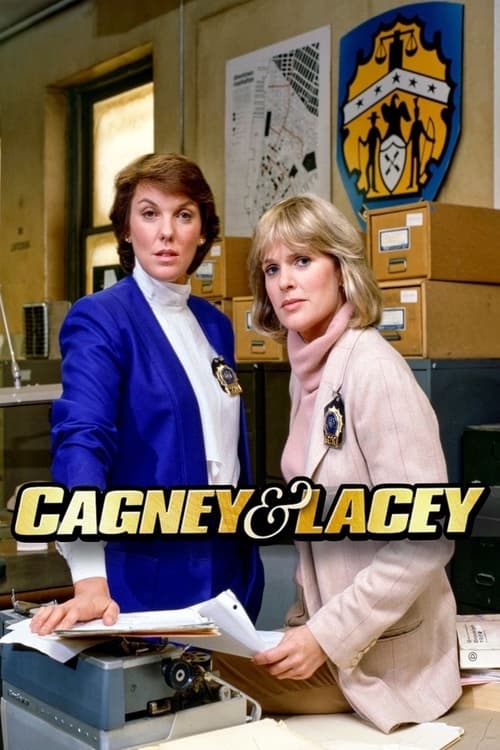
Cagney & Lacey
By season seven, CBS knew the party was ending, but Tyne Daly and Sharon Gless played every scene like the studio cameras were burning their last vacuum tubes. The 14th Precinct set felt lived-in and dusty, smelling of cold coffee and harsh overhead fluorescents. Their final run pushed past standard cop conventions, letting domestic heartbreak and burnout bleed directly into the precinct floorboards. That quiet, weary mutual understanding between partners gave network television a genuine, tear-streaked dignity.
#2

The Deuce
Modern streaming projects rarely capture how time rots physical spaces, but this third season understood the tragic march of progress. We watch Times Square get scrubbed clean, moving from greasy film stock to the harsh hum of consumer camcorders and corporate glass. The final episodes feel like watching the broadcast tower switch off at midnight, leaving ghosts wandering down 42nd Street. It honors the bruised strivers who vanished when real estate money smothered old New York's wild nocturnal air.
#3
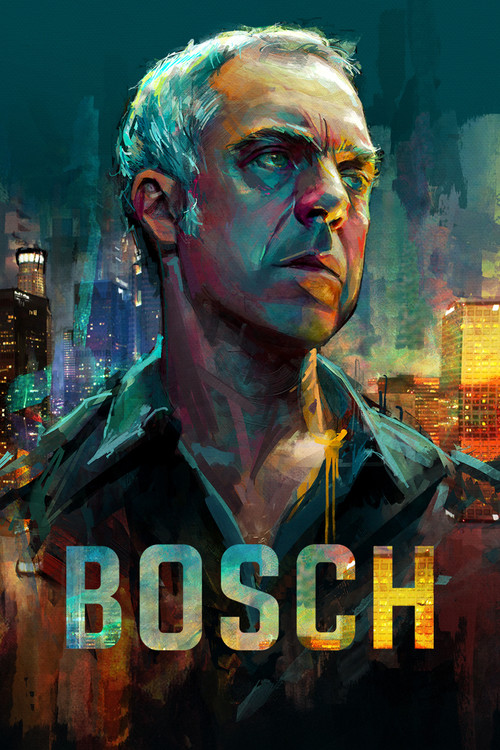
Bosch
Titus Welliver carries himself like the great shoe-leather detectives from the golden age of filmed drama. By the seventh season, the show stripped away modern procedural polish to reveal the old broadcast bones beneath: tired eyes, smoke-stained vinyl blinds, and brass jazz spilling through an open window. His quiet parting shot at the badge carries the weight of a seasoned character actor knowing when to step out of the studio key light before the credits start rolling.
#4
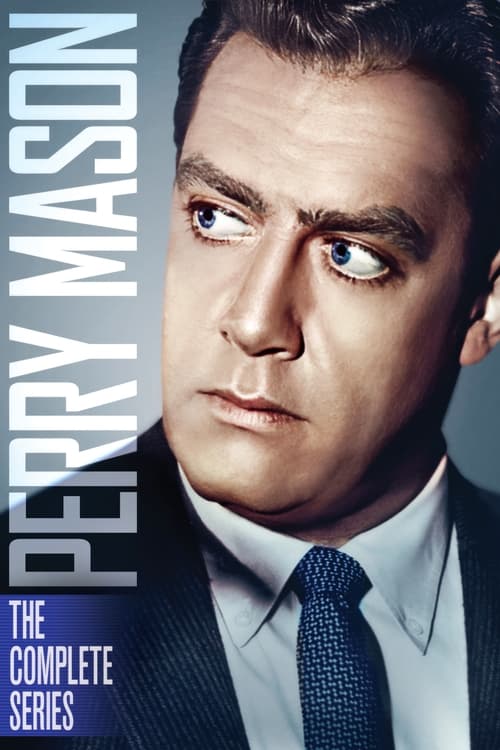
Perry Mason
Raymond Burr spent nine seasons commanding courtroom sets with the precision of a church organist. Season nine wrapped with a famous peek behind the broadcast curtain. In that final episode, the crew turned the camera right on themselves, filming among the soundstage rafters and lighting rigs while creator Erle Stanley Gardner sat on the bench. It was a lovely, rare farewell for the technicians and stagehands who kept American living rooms spellbound for almost a full decade.
#5
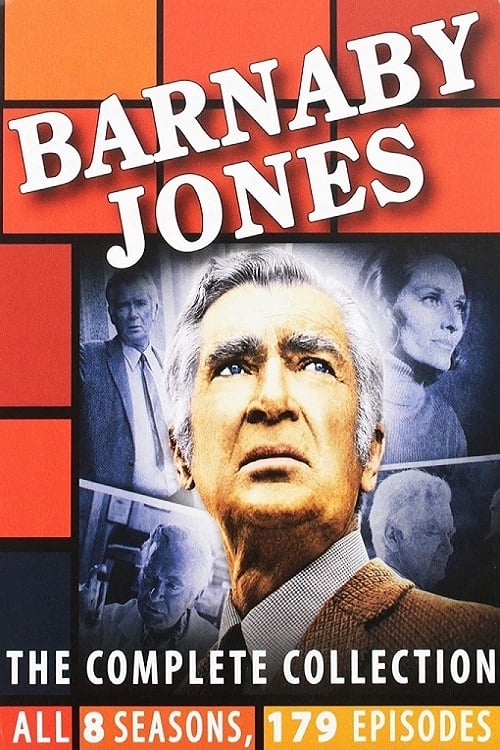
Barnaby Jones
Buddy Ebsen drinking milk on a simulated sunlit patio remains one of television's comforting rituals. By season eight, the Quinn Martin formula was running on fumes, but that unhurried pace felt miraculous amid the rising speed of 1980s programming. Ebsen leaned heavily on his cane, solving suburban homicides with stage-trained folksiness while those iconic brass horn stings ushered in each act. It ended quietly, a gentle salute to an era when television let elderly gumshoes take their time.
0 / 5