

1 / 12
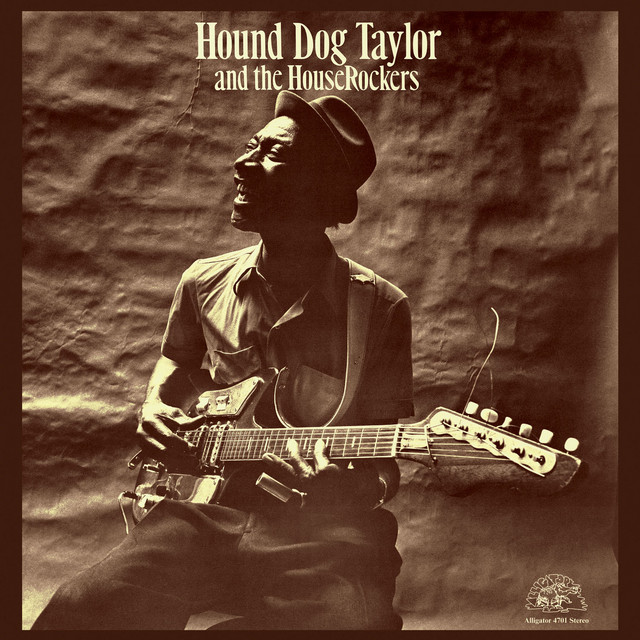
1. Hound Dog Taylor and The Houserockers
Before slick production took over, there was Hound Dog Taylor. This record, raw as a fresh cut, just laid it all out. His slide guitar wasn't pretty; it was a rusty razor, cutting deep. And the rhythm section, just two guys, kept that hypnotic, shambolic groove. This wasn't for the faint of heart, it was the sound of a Saturday night juke joint spilling out into the streets, pure, unadulterated electric blues, no frills, just fire.
2 / 12
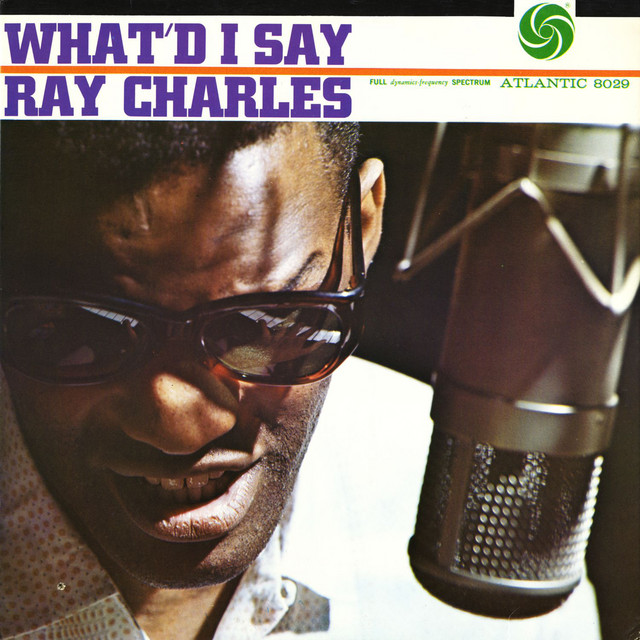
2. What'd I Say
Ray Charles didn't just sing "What'd I Say"; he channeled the spirit. That call-and-response, straight out of the gospel tent, but slathered in raw, secular desire. It was the sound of Saturday night and Sunday morning colliding, the organ wailing, his voice a primal scream. This track blew open the doors for everything that followed, showing how deeply blues and church could merge, creating something truly electric and revolutionary.
3 / 12
3. Satisfaction (Justus Remix)
You take one of the Stones' most primal, guitar-riff-driven anthems, a track that defined adolescent angst, and you put it through a modern sonic filter. "Satisfaction" wasn't just a song, it was a declaration. This "Justus Remix," it strips away the raw garage rock, pushing that iconic riff into an almost industrial, hypnotic loop. It’s a re-contextualization, an experiment in taking foundational rock and seeing how it holds up under the cold, electronic gaze of a new era.
4 / 12
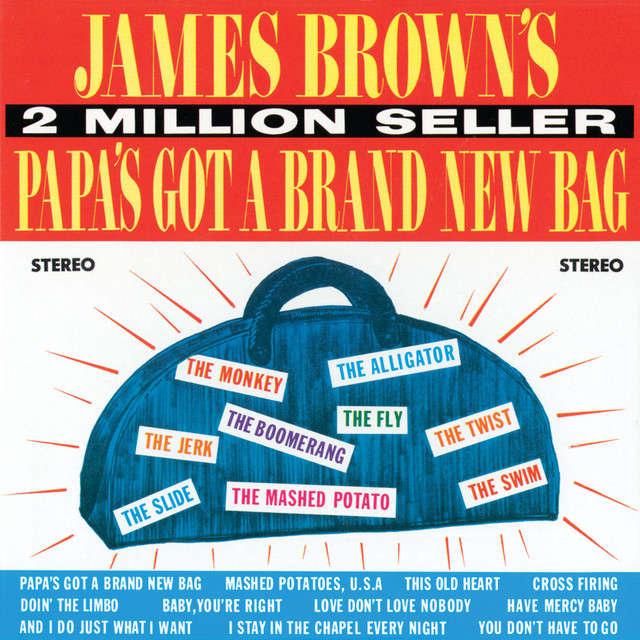
4. Papa's Got A Brand New Bag
James Brown wasn't just singing; he was inventing a new language. "Papa's Got A Brand New Bag" is where the funk truly clicked into place. Every instrument was a drum, playing a rhythmic part, not just a melody. That insistent, percussive groove, the horns stabbing, his shouts and grunts – it was a complete rhythmic reset for popular music. You couldn't just stand there; your body just had to move. It’s the blueprint for everything that followed in funk and soul.
5 / 12

5. Like a Rolling Stone
When Dylan plugged in, it wasn't just an amplifier he flipped on; he amplified the very idea of what a popular song could be. "Like a Rolling Stone" was six minutes of sneering, poetic defiance, a dense narrative that cut through the pop fluff. It was a broadside against hypocrisy, a bitter, cynical masterpiece that showed rock could carry the weight of real literature. And that organ, man, it just twisted the knife.
6 / 12

6. Whole Lotta Love
Led Zeppelin took the blues, pumped it full of steroids, and then sent it through a psychedelic vortex. "Whole Lotta Love" is pure sonic hedonism. Page's riff was a monster, undeniable. But it was that middle section, a swirling, unhinged journey through effects and moans, that pushed it into something truly experimental for mainstream rock. It was massive, heavy, and just dripping with a raw, untamed power.
7 / 12
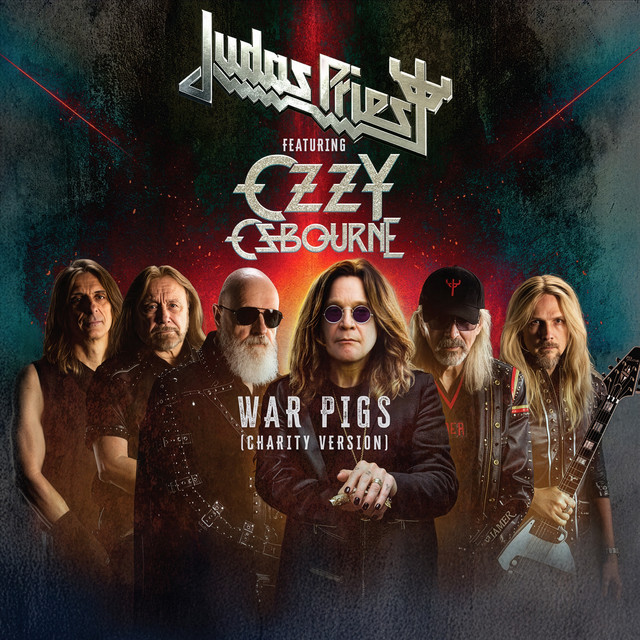
7. War Pigs (Charity Version)
Sabbath didn't just play heavy; they *were* heavy. "War Pigs" was a sledgehammer to the face of the military-industrial complex. That trudging, relentless riff, Ozzy's ominous vocals painting a bleak landscape of destruction – it was a primal scream against the machine. Even in a "Charity Version," the sheer, unyielding weight and the stark, uncompromising message of the original remain intact, a foundational stone of early metal.
8 / 12

8. Blitzkrieg Bop
Forget virtuosity, forget lengthy solos. The Ramones came, saw, and conquered with three chords and a primal scream. "Blitzkrieg Bop" wasn't just a song; it was a mission statement. Fast, furious, and utterly devoid of pretense, it stripped rock 'n' roll down to its bare, exhilarating essence. It was a joyous, unthinking call to arms, a declaration that anyone could pick up a guitar and kick out the jams. Hey! Ho! Let’s Go!
9 / 12

9. Anarchy in the U.K. (Acoustic)
Taking the snarling, spittle-flecked rage of "Anarchy in the U.K." and reducing it to an acoustic strumming is a provocative act. The original was a Molotov cocktail thrown at the establishment, a raw, uncompromising howl. Stripping away the electric fury, you're left with the bare bones of the message, the defiant spirit still there, but perhaps with a different, almost haunting, vulnerability. It’s a study in how context shifts perception.
10 / 12
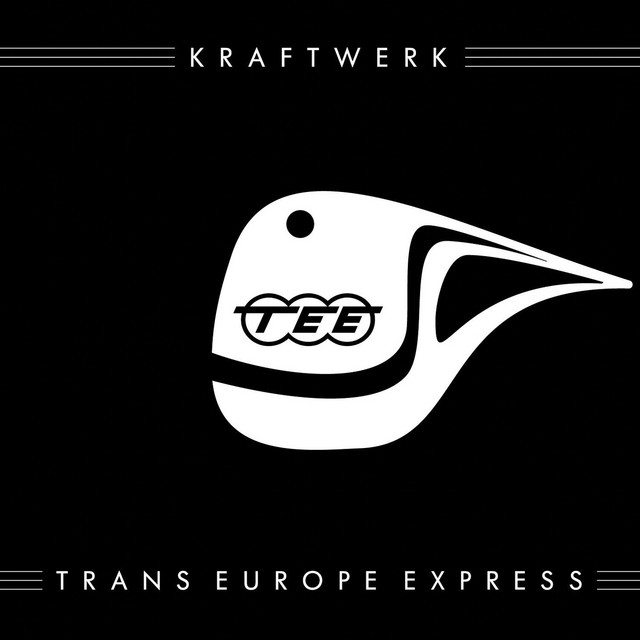
10. Trans-Europe Express (2009 Remaster)
Kraftwerk weren't just making music; they were building the future. "Trans-Europe Express" was cold, sleek, and utterly revolutionary. That pulsing, mechanical rhythm, the stark synth melodies – it was the sound of technology taking over, but in the most elegant way. Even in a 2009 remaster, the stark, minimalist beauty and the conceptual precision of their electronic blueprint for modern pop and techno remain utterly captivating.
11 / 12
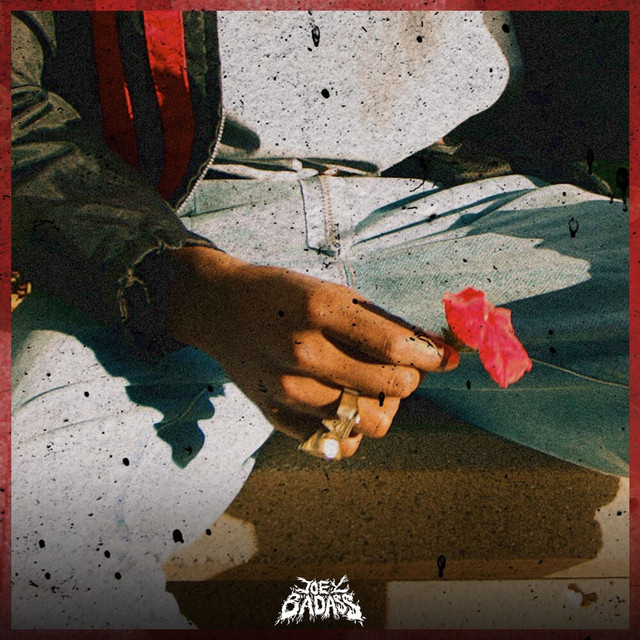
11. Love Is Only a Feeling
From the post-punk landscape, The Human League offered something different, a cool, electronic melancholy. "Love Is Only a Feeling" wasn't about raw emotion; it was about its distillation, its analysis. The synths were precise, the vocals detached yet yearning, creating a sound that was both danceable and introspective. It was pop, sure, but pop with a cerebral edge, pointing towards the electronic future with a thoughtful, almost clinical, coolness.
12 / 12
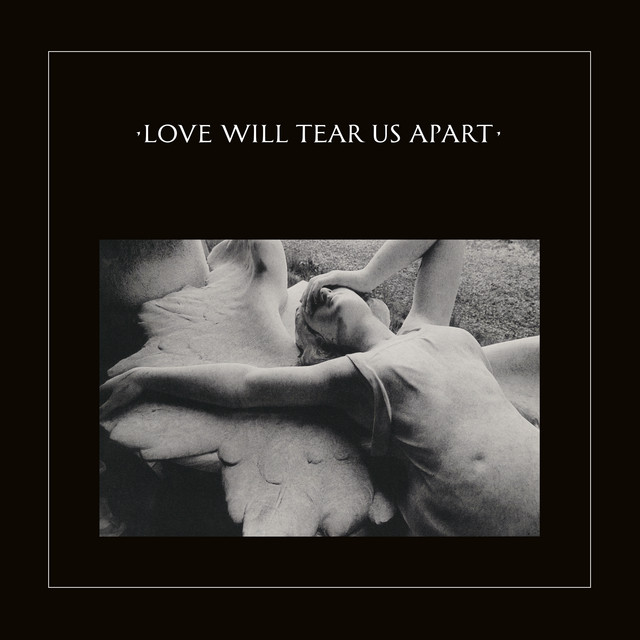
12. Love Will Tear Us Apart
Joy Division captured the bleak beauty of urban alienation like no other. "Love Will Tear Us Apart" is a masterpiece of post-punk desolation. Ian Curtis's baritone, the propulsive, almost danceable rhythm section, and those shimmering, atmospheric guitar lines – it all coalesced into something profoundly moving. It wasn't just sadness; it was an existential ache, a stark reflection on the fragility of human connection that still resonates.