
1 / 7
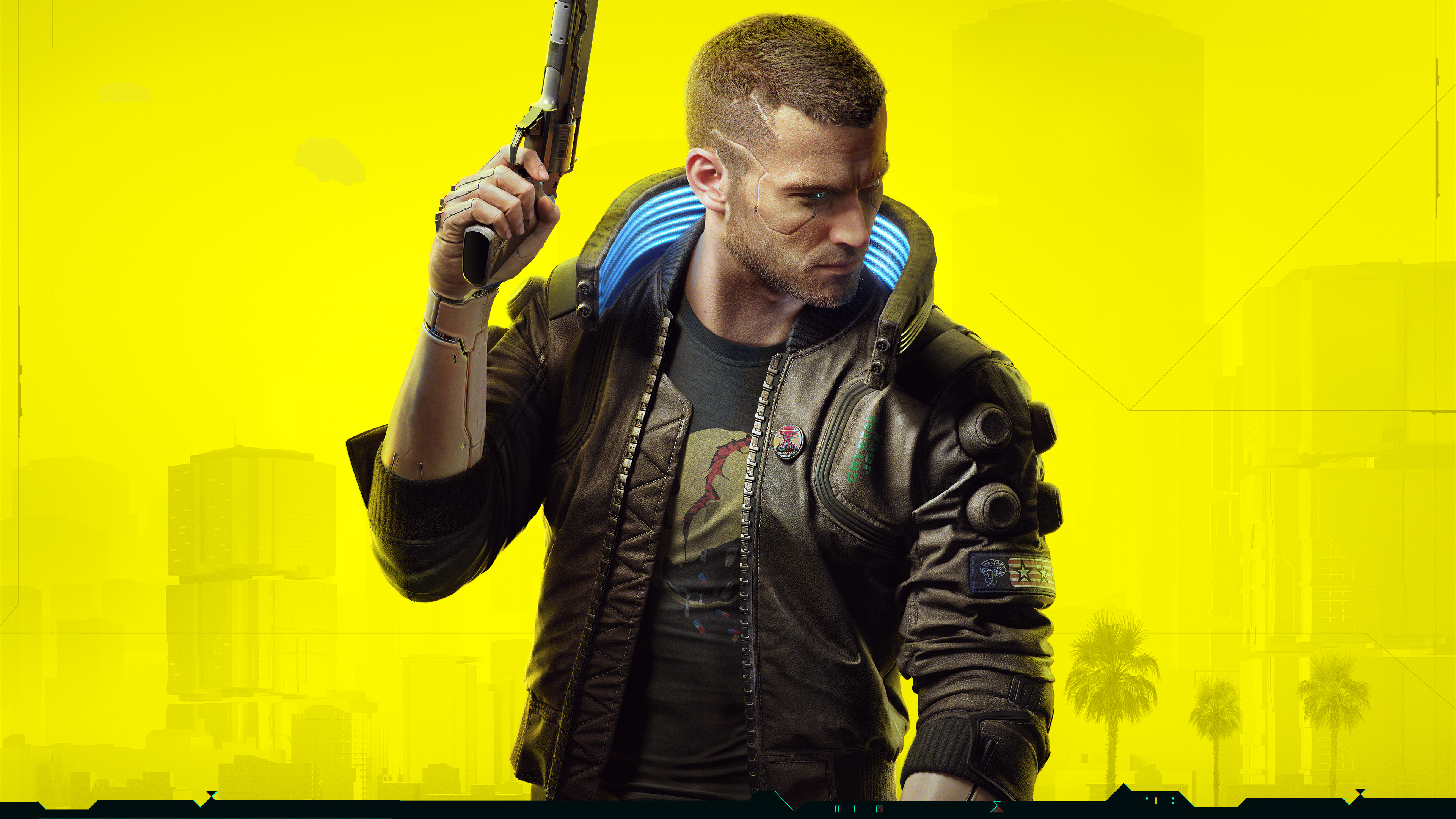
1. Cyberpunk 2077
Man, the hype for this was astronomical, built on years of CD Projekt Red's goodwill. But then it launched, a janky, broken mess, especially on older consoles. It felt like a betrayal, a stark reminder that even beloved studios can overpromise and underdeliver, pressured by release dates. While they patched it into something decent, that initial sting of disappointment, watching a dream unravel, definitely left a mark on our collective gamer psyche.
2 / 7
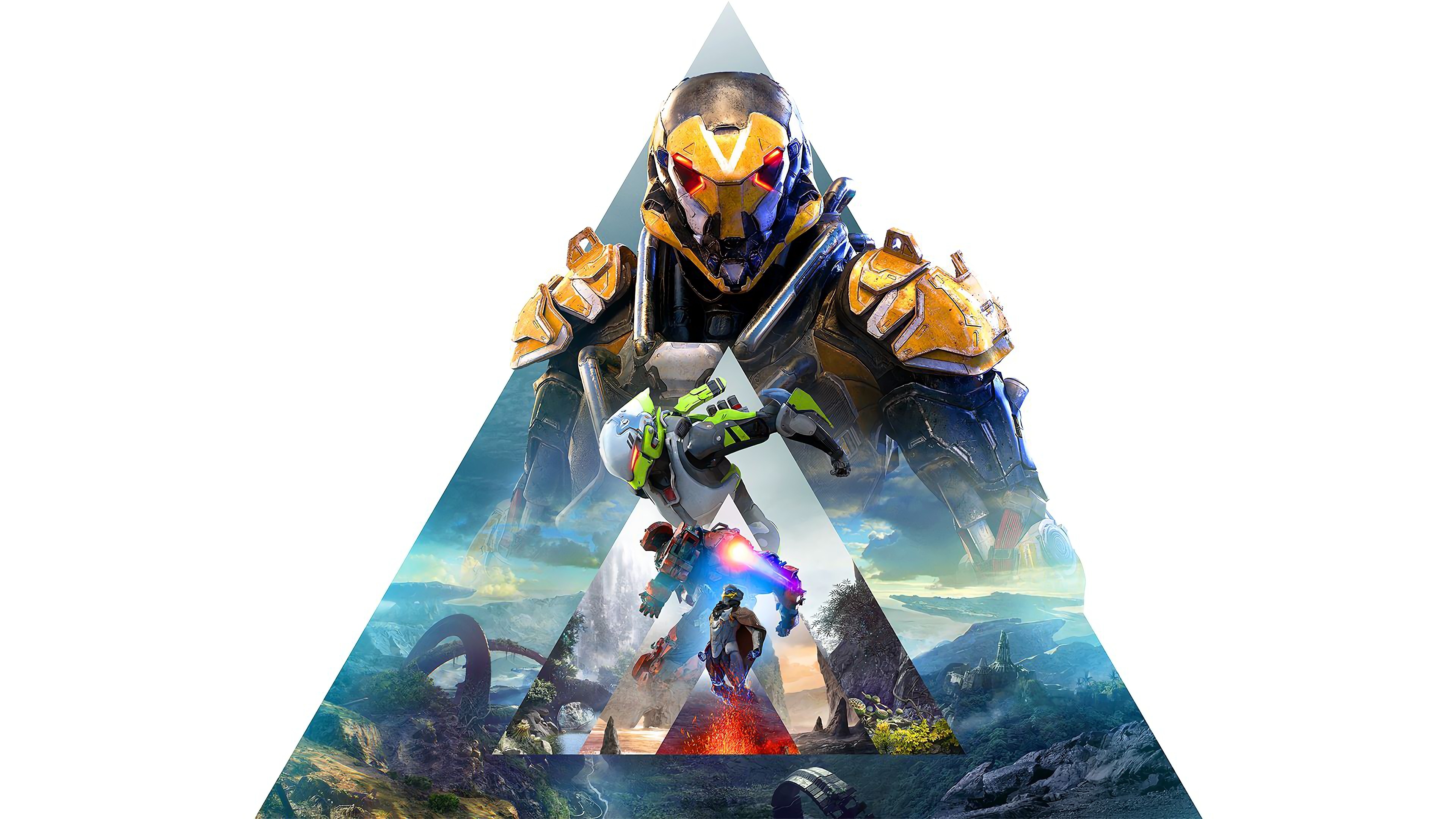
2. Anthem
This one still stings. BioWare, the name synonymous with deep RPGs, gave us a generic loot-shooter with an empty world and repetitive missions. The promise of flying Javelins was cool, but the rest felt like a cynical attempt to chase the live-service trend, lacking soul and substance. It was a tragic tale of mismanagement, scope creep, and a publisher seemingly more interested in revenue models than actual game quality. What a waste of talent and potential.
3 / 7
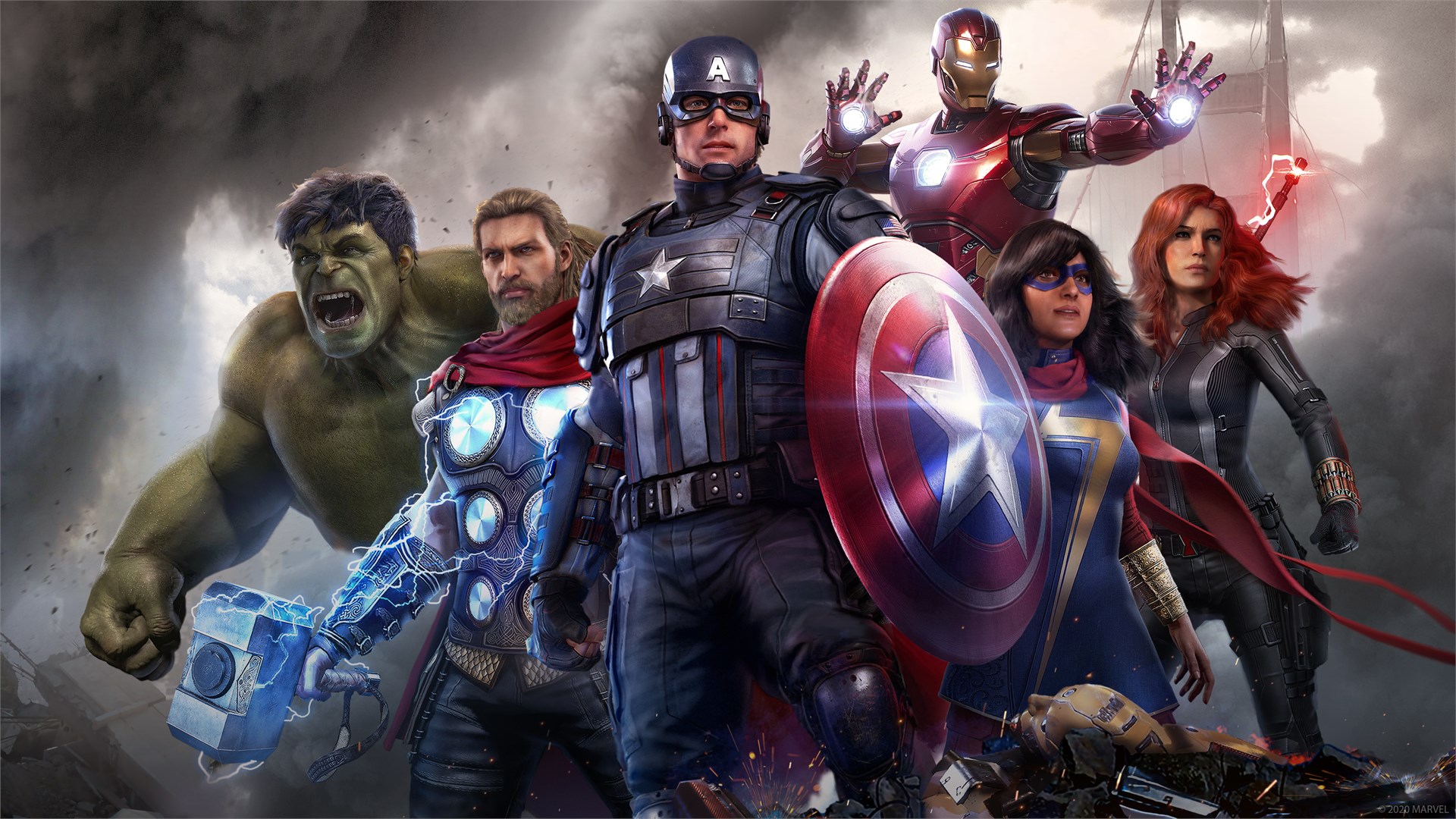
3. Marvel’s Avengers
Another big IP, another live-service game that utterly failed to capture any magic. Repetitive missions, an uninspired loot grind, and a monetization scheme that felt predatory from the get-go. Instead of letting us *be* the Avengers, it felt like a chore, a cynical cash grab designed to exploit brand loyalty rather than deliver a compelling superhero experience. The continuous updates couldn't save it from its fundamentally flawed design, leaving fans empty-handed.
4 / 7
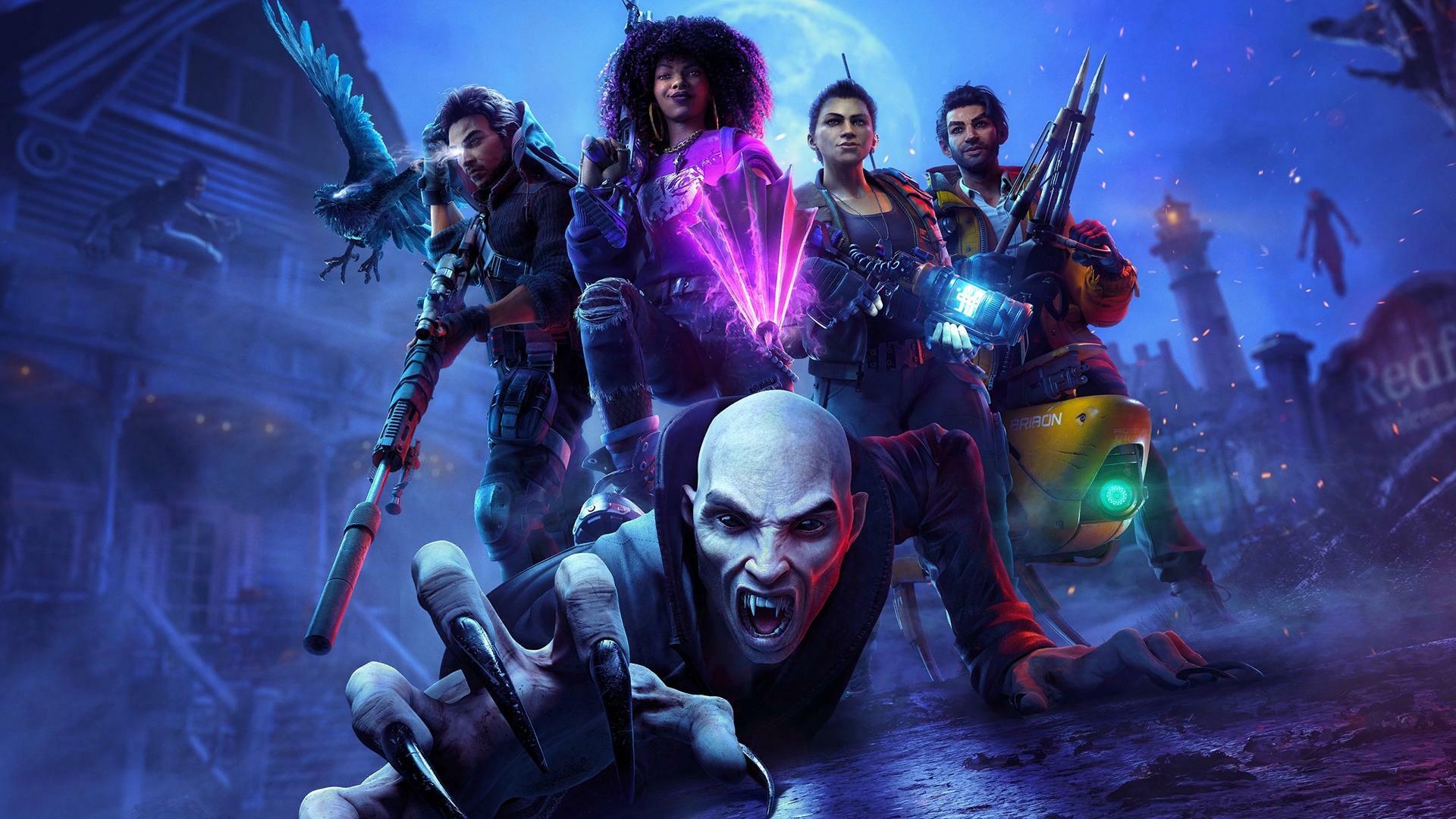
4. Redfall
Arkane Studios, the masters of immersive sims, delivering *this*? It was baffling. A generic open-world shooter with a broken launch, lifeless environments, and design choices that felt antithetical to everything Arkane stood for. It screamed publisher interference, a rushed product thrown out the door to meet a quota, completely ignoring the studio's strengths. The co-op focus felt forced, and the whole experience was a stark reminder that even great developers can be kneecapped.
5 / 7
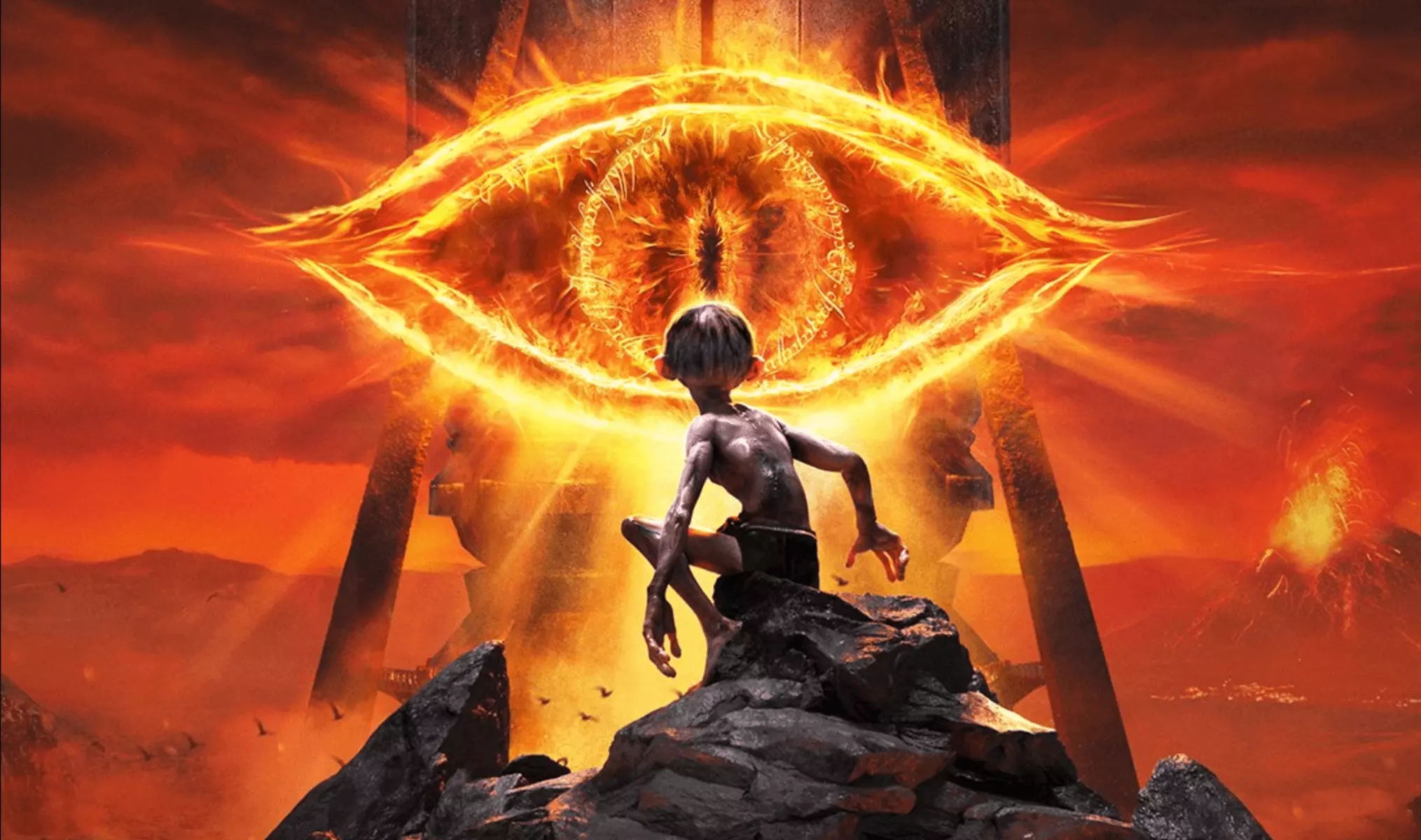
5. The Lord of the Rings: Gollum
Oh, man. This wasn't just bad; it was an insult to the entire fantasy genre and Tolkien's legacy. Low budget visuals, clunky gameplay, and a story nobody asked for, all wrapped up in a package that felt like a cheap mobile game. The "apology" from the developers felt like a final nail, hinting at impossible deadlines and underfunding. It’s a prime example of IP exploitation at its absolute worst, a game that should never have seen the light of day.
6 / 7
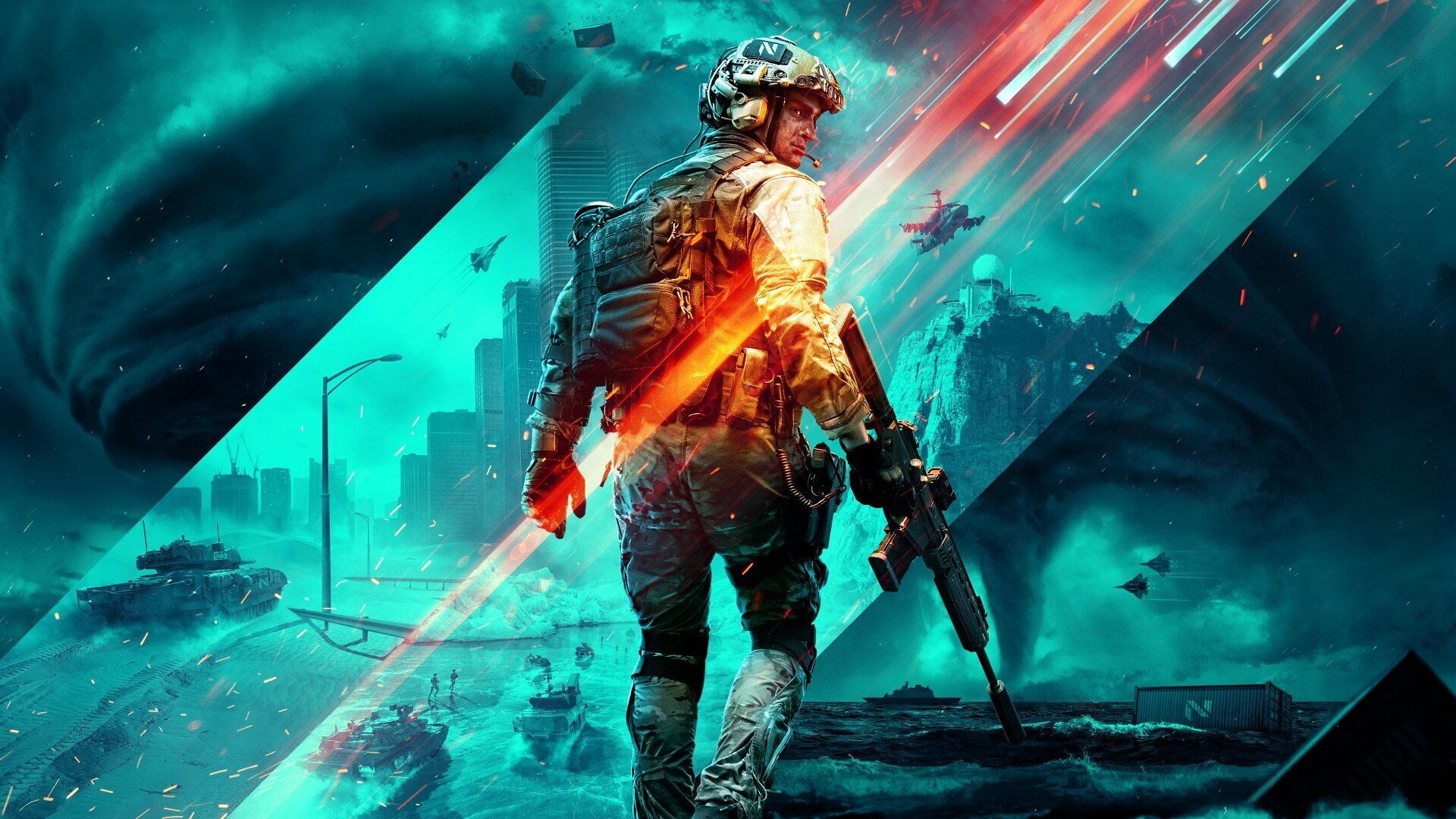
6. Battlefield 2042
The once-mighty Battlefield franchise, reduced to this. A buggy, feature-incomplete mess at launch, stripped of core elements like a scoreboard and basic class systems, and filled with baffling design decisions. It felt like DICE was pressured into chasing trends, abandoning their roots for a battle royale-lite, hero-shooter hybrid that satisfied no one. This wasn't just a bad game; it was a public declaration of a storied series losing its way, controlled by executives.
7 / 7
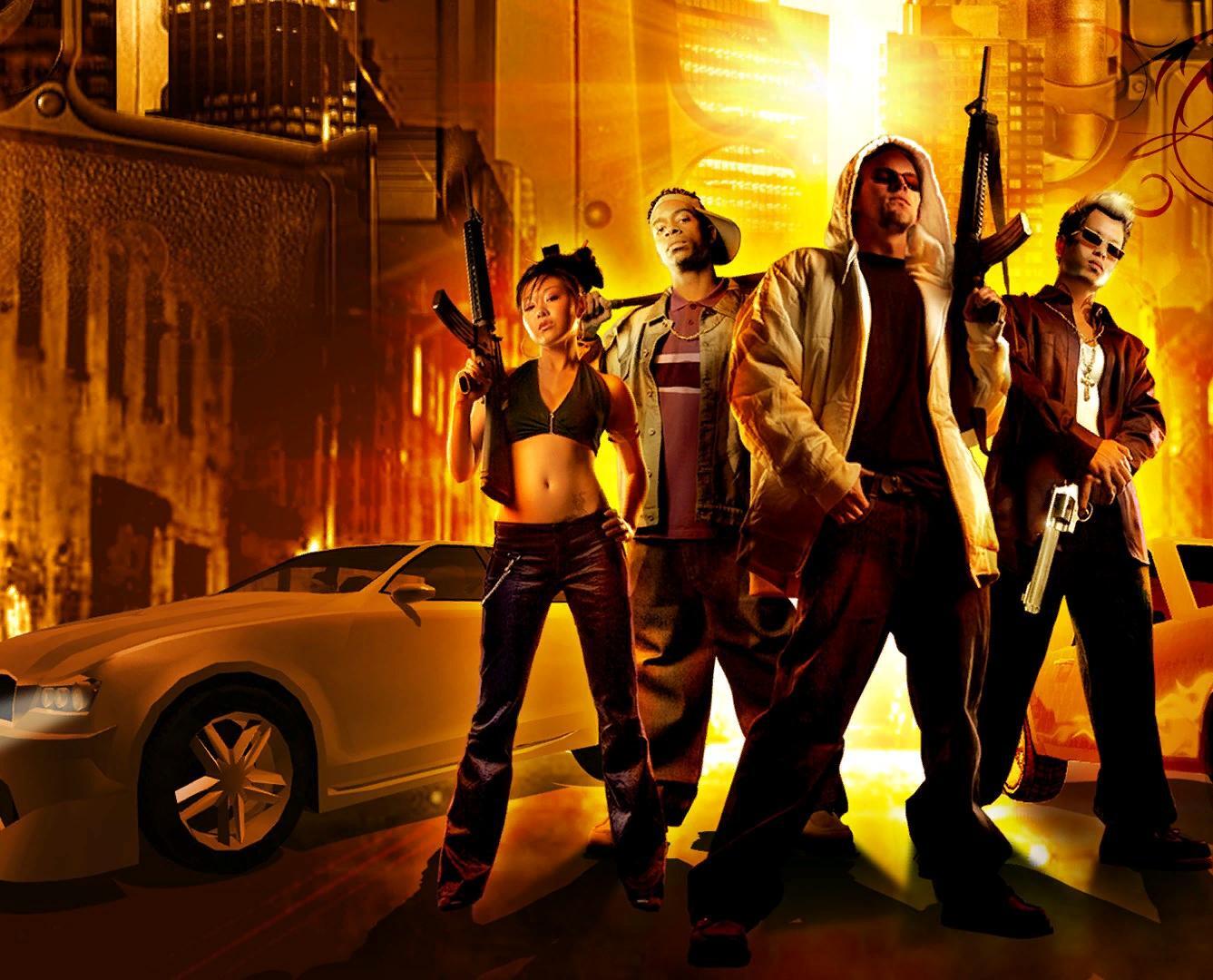
7. Saints Row
The reboot nobody really wanted, or at least not *this* one. It stripped away the anarchic charm and over-the-top personality that made the series unique, replacing it with a bland, generic open-world experience trying desperately to be "hip." It felt like a focus-grouped product, chasing trends rather than understanding what its fans loved. Instead of evolving, it regressed, a sad sign of a publisher misunderstanding its own successful IP.