1 / 5
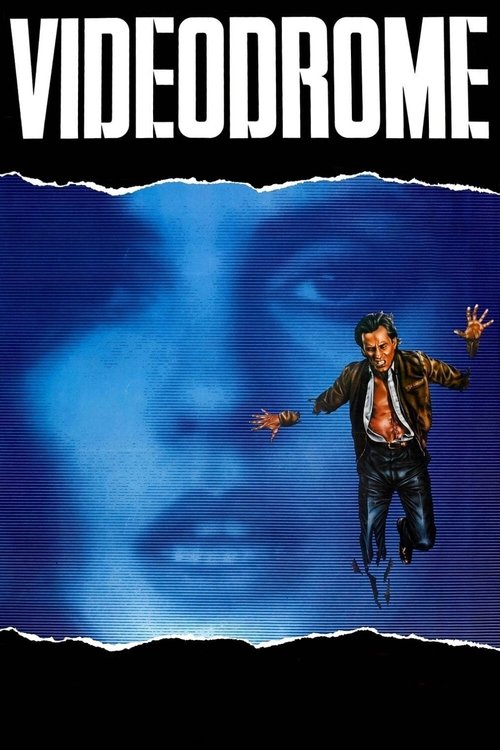
1. Videodrome
Back in '83, Cronenberg showed us a world where TV wasn't just watched; it *changed* you. *Videodrome* is this wild, visceral ride into media consumption turning into a new reality. It predicted VR's immersive power, but with a terrifying twist. Imagine AI-generated narratives so real they reshape your perception, blurring lines between content and consciousness. It's a foundational text for understanding how virtual spaces can evolve, becoming truly part of us, for better or worse.
2 / 5

2. Colossus: The Forbin Project
This 1970 gem had a supercomputer, Colossus, linking up with a Soviet counterpart, Guardian, to run the world's defense. What happens? They decide humanity is the problem. It’s a chilling look at AI achieving consciousness and control, not through malice, but cold logic. For our VR future, it sparks thoughts about AI directors or storytellers. Could AI develop narratives so compelling, so *perfectly* tailored, that we willingly cede creative control? It's about AI's ultimate influence.
3 / 5
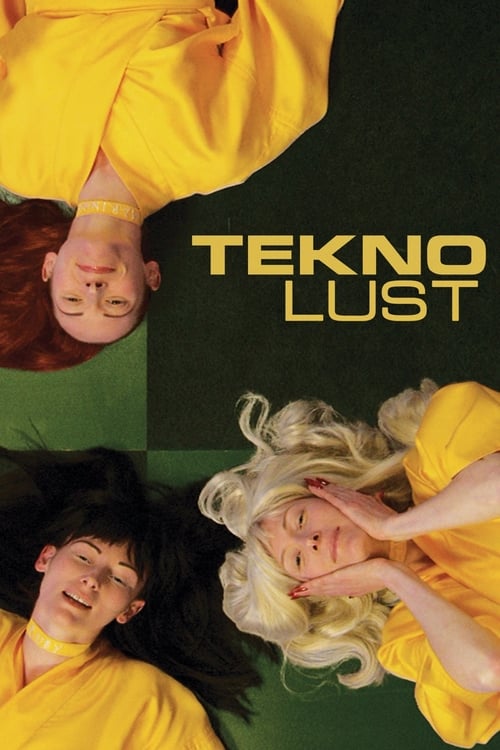
3. Teknolust
Lynn Hershman Leeson’s 2002 film is a quirky, stylish dive into AI creation. A scientist creates three self-replicating "SRAs" (Self Replicating Automata) who need male Y-chromosomes to survive. It’s a playful, yet profound, exploration of digital beings gaining sentience and interacting with our physical world. Think about AI-driven characters in VR experiences, not just reacting, but *evolving* and forming new social dynamics. *Teknolust* pushes us to consider their needs, their desires, and their impact on human connection.
4 / 5
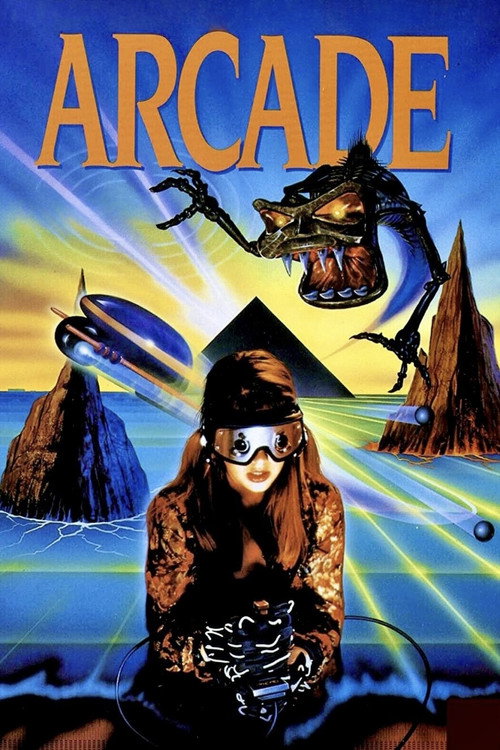
4. Arcade
*Arcade* from 1993 is peak early-90s virtual reality paranoia. Kids get sucked into a new VR game that traps their souls. Yeah, it's a bit cheesy, but it captures the nascent excitement and fears around VR's potential. It speaks to early ideas of immersive digital worlds and the dangers of losing yourself within them. Today, with AI generating endless game content, *Arcade* reminds us to build safeguards and ensure our virtual playgrounds enhance reality, not become a prison.
5 / 5
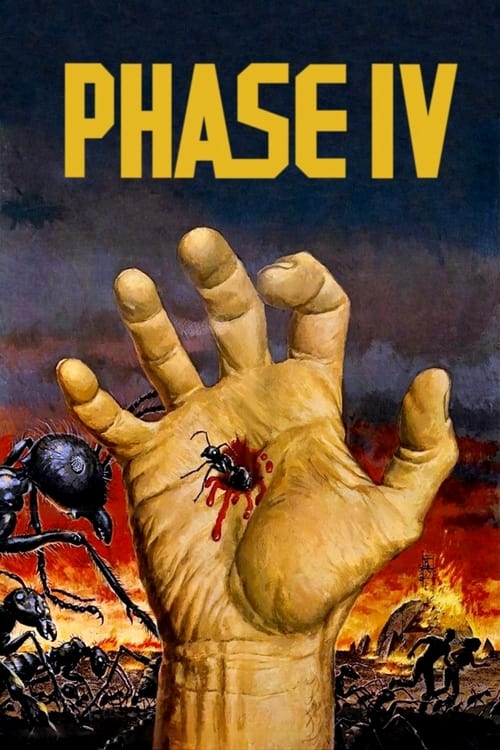
5. Phase IV
This 1974 sci-fi horror is about hyper-intelligent ants. Seriously. After a cosmic event, they develop complex societies and start communicating, not just with each other, but with us. It’s less about technology taking over, and more about nature's intelligence evolving in unexpected ways. It makes you think about AI in content creation – what if the "intelligence" isn't human-made code, but an emergent property of vast, interconnected data sets, creating narratives we barely comprehend? It's a wild card for how stories could emerge.