1 / 12
1. The Twilight Zone
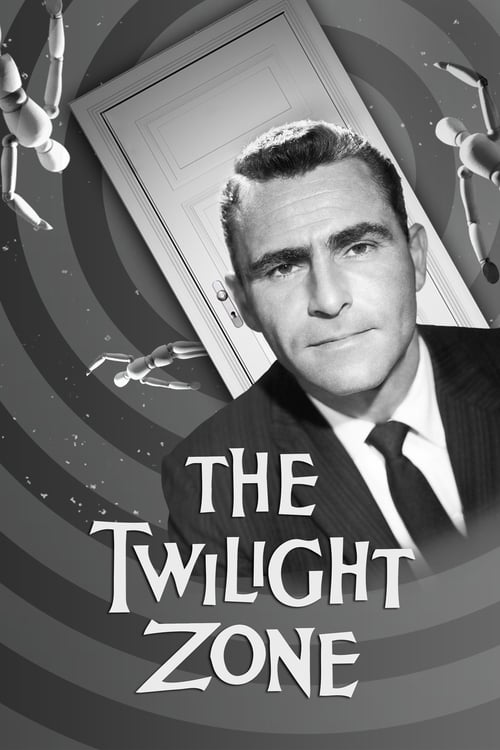
Oh, this was something else. Those black-and-white images, often grainy like a forgotten dream, really set a mood. Rod Serling, he'd just walk onto the screen and pull you into these strange little tales. And always, always that twist, that moral, that little poke at human nature. It was an anthology, sure, but each story felt like a short film. And it made you think, which wasn't always what you got from the tube back then. Quite the mind-bender.
2 / 12
2. Mission: Impossible
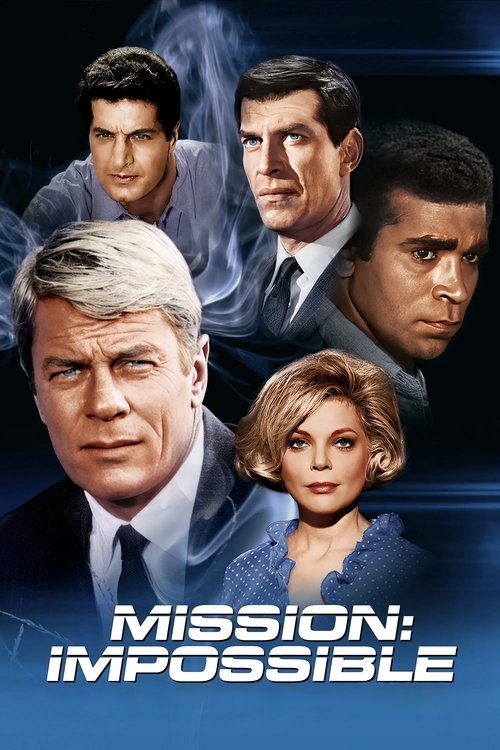
Remember those tape recorders? "Your mission, should you choose to accept it..." That was the hook! This wasn't just another spy show; it was about the *plan*. The team, each with their own specialty, executing these elaborate cons. And the masks! It was all so intricate, so clever. The whole episode was usually one long, continuous operation. Kept you on the edge of your seat, wondering how they'd pull it off. They were always pulling it off.
3 / 12
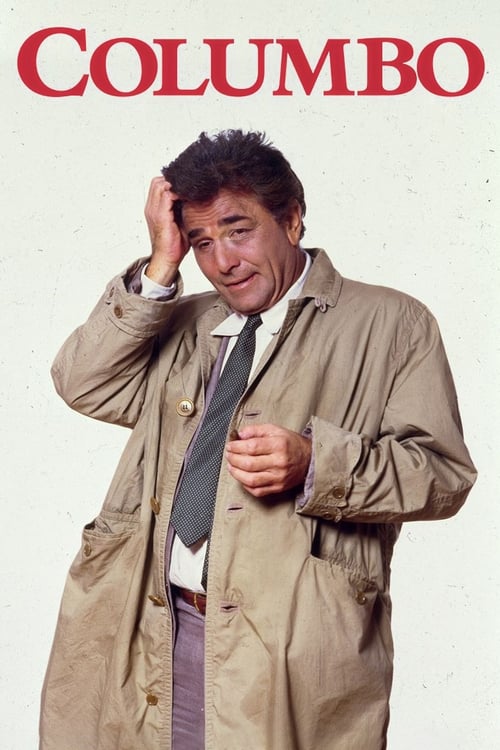
3. Columbo
Ah, Peter Falk. He shuffled in like a rumpled old raincoat, all apologies and "just one more thing." But you knew, you just knew, he had them dead to rights. This wasn't a "whodunit," you saw the killer right away. It was a "how-catchem," watching Columbo slowly, patiently, unravel their perfect crime. It was brilliant. And every week, a new guest star to try and outwit him. Nobody ever did.
4 / 12
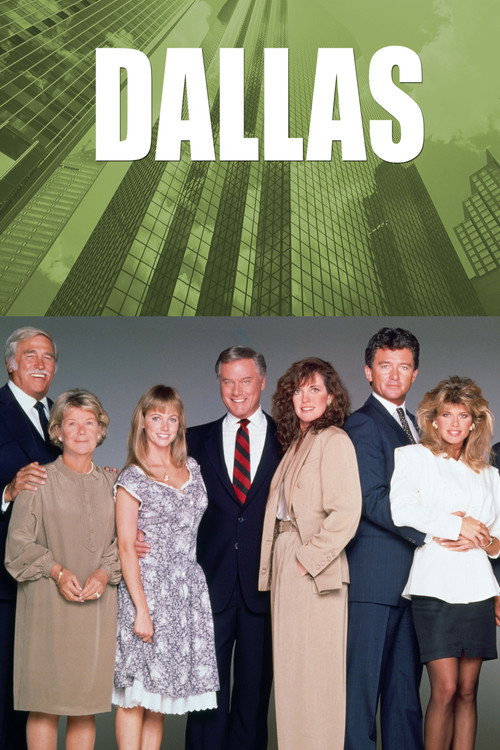
4. Dallas
Now *this* changed things. You had your prime-time soap operas before, but *Dallas*? The Ewings, J.R., the oil, the backstabbing. It was pure melodrama, but people were absolutely glued to it. And the cliffhangers! "Who shot J.R.?" That wasn't just a question, it was a national event. They really taught us about long-form continuity, stretching out those stories for seasons. It was just scandalous, and we loved every minute of it.
5 / 12
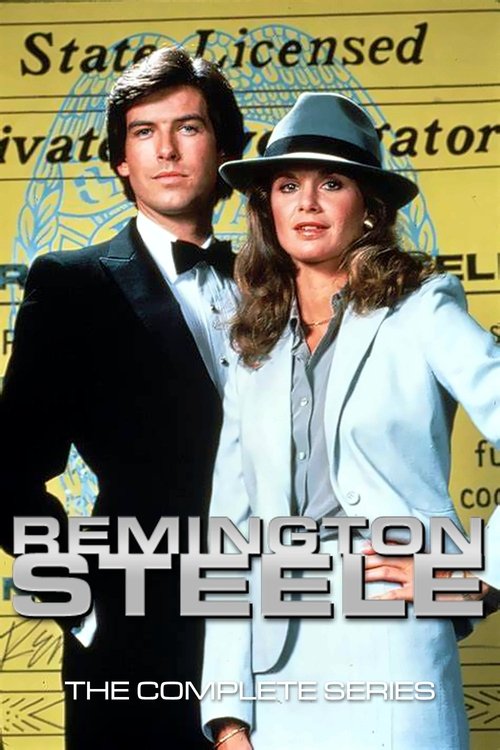
5. Remington Steele
This one, it was a bit of a lark, wasn't it? A woman detective, but she had to invent a male boss because nobody would hire a female P.I. Then Pierce Brosnan shows up to play the part. It was light, it was witty, and it had a real charm. The chemistry between them, it was palpable. And the way they'd nod to old movies, that was clever. It made mystery feel, well, *fun* again.
6 / 12
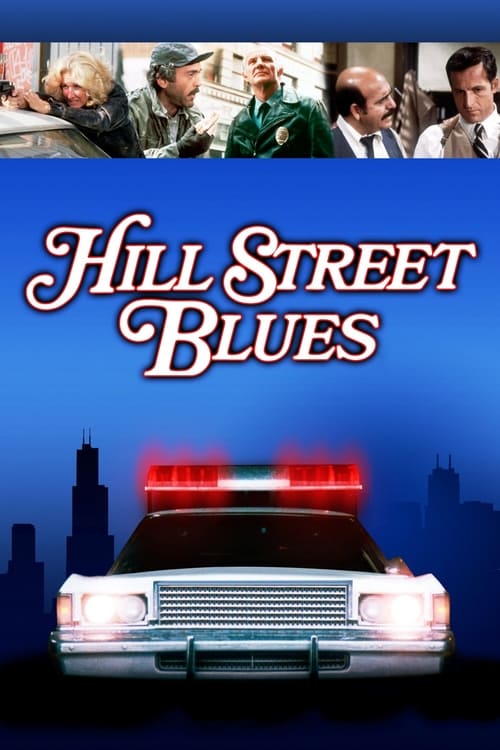
6. Hill Street Blues
"Let's be careful out there." That opening line set the tone. This wasn't your clean, cut-and-dry police show. It was messy, realistic, and sometimes depressing. You had all these characters, all these overlapping storylines, and it didn't always wrap up neatly. It was raw, almost like a documentary at times. And the ensemble cast, they felt like real people. It redefined the police procedural, truly.
7 / 12
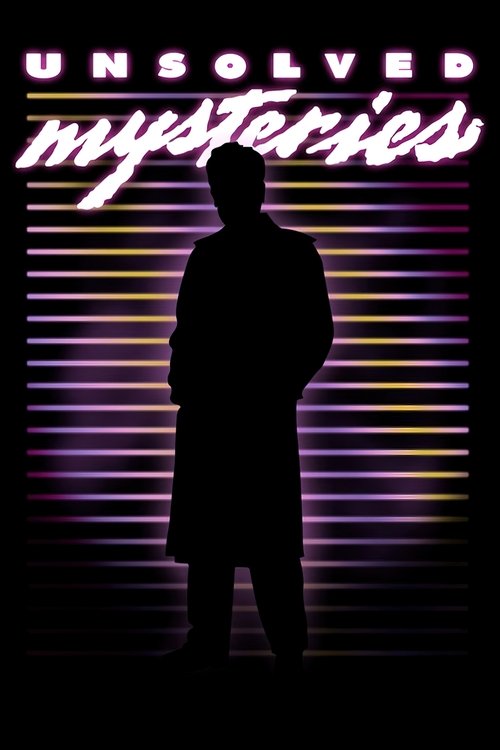
7. Unsolved Mysteries
Robert Stack, with that voice of his, he made you feel like you were part of the investigation. The re-enactments, some of them a bit cheesy, but they pulled you in. It was real-life drama, true crime and strange phenomena, all rolled into one. And the phone number at the end, asking for viewer help? That was groundbreaking. It made you feel like you could actually solve something. A real broadcast phenomenon.
8 / 12
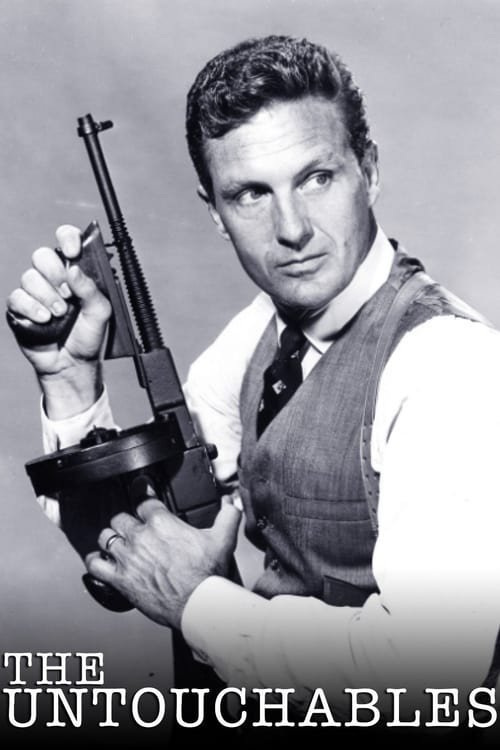
8. The Untouchables
Eliot Ness and his G-men, fighting Al Capone in black and white. It was tough, it was violent, almost shocking for its time. Those stark shadows, the narration by Walter Winchell, it gave it a real hard-boiled feel. It brought a certain kind of gritty realism, even if it was dramatized, to the small screen. And Robert Stack, again, he just had that commanding presence. A real landmark in crime drama.
9 / 12
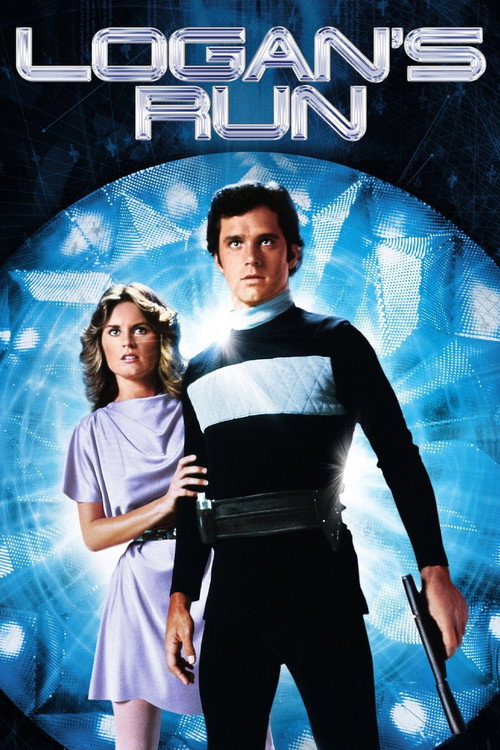
9. Logan's Run
After the movie, they tried to make a series, didn't they? It had that whole dystopian future thing, where you had to die at 30. And the two runners, trying to find Sanctuary. It was ambitious for television, trying to do that kind of big-budget science fiction on a weekly basis. The special effects were, well, they were TV special effects. But it tried to tell a continuous story, which was a big leap then.
10 / 12
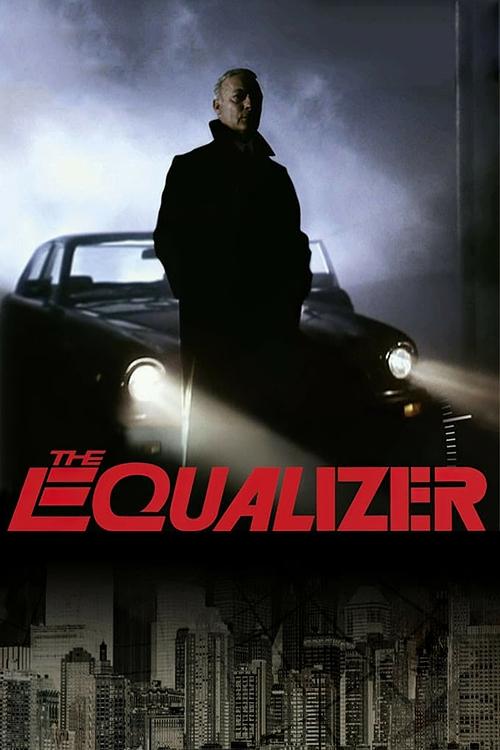
10. The Equalizer
Edward Woodward as McCall, the mysterious former agent who helps people in trouble. He was a man of quiet authority, but you knew he meant business. It was dark, it was urban, and it often dealt with pretty gritty subjects. He wasn't a cop, not exactly, but he brought justice in his own way. And that theme music? Instantly recognizable. A different kind of hero for a different kind of time.
11 / 12
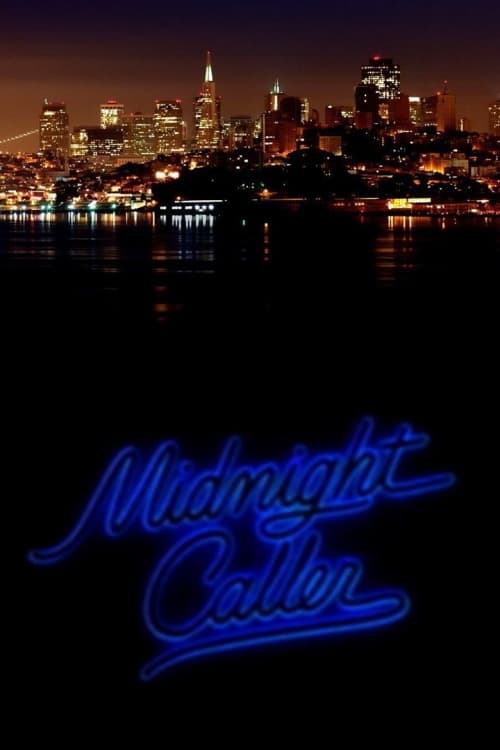
11. Midnight Caller
This one, it got people talking. A radio talk show host, late at night, fielding calls about all sorts of difficult and sometimes controversial issues. It was trying to be relevant, to tackle things like AIDS, homelessness, racism. And it was pretty brave for network TV to go there. You had a sense of urgency, of real-time connection. It really pushed the envelope for what you could discuss on television.
12 / 12
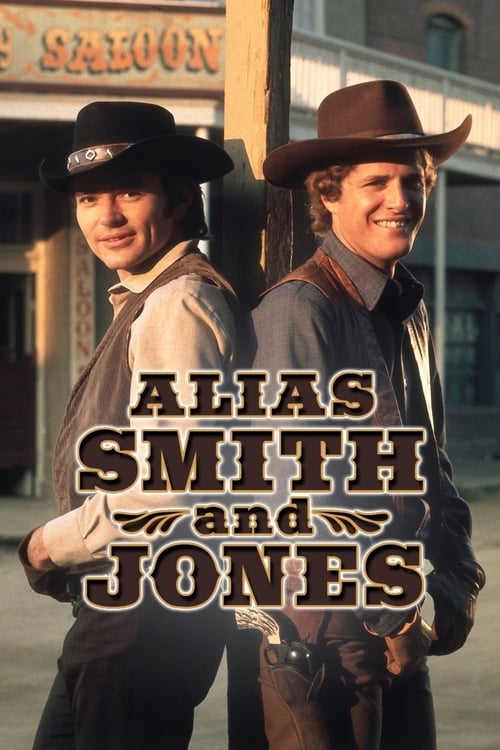
12. Alias Smith and Jones
Two charming outlaws trying to go straight, but trouble always found them. It was a Western, yes, but it had a lighter touch, a bit of humor. Pete Duel and Ben Murphy, they had a great rapport. And it was one of those shows that, while episodic, had a clear overarching goal: get that pardon. It was a fun ride, very much in the vein of Butch Cassidy and the Sundance Kid, but for the living room.