

1 / 11
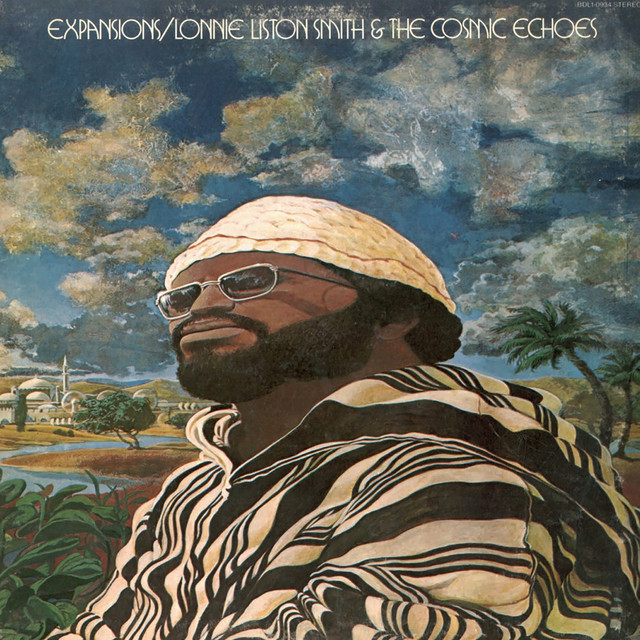
1. Expansions
Lonnie Liston Smith's 'Expansions' from '75 was a celestial journey, a masterclass in jazz-fusion's spiritual potential. Its Rhodes piano textures, fluid basslines, and modal improvisations created an immersive, almost proto-ambient soundscape. This wasn't just fusion; it was an astral projection, a deeply soulful exploration of rhythm and harmony, crafted with analog warmth that still resonates. It stretched the boundaries of what instrumental music could convey, a truly mind-altering experience.
2 / 11
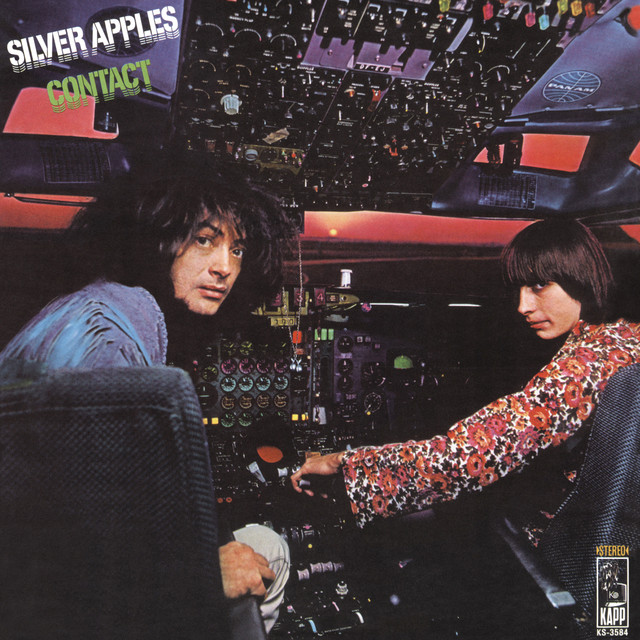
2. Contact
Eddie Henderson's 'Contact' from '78, an overlooked gem, pushed jazz-fusion into new, electric territories. With its tightly wound funk rhythms, searing trumpet lines, and synthesizer flourishes, it captured the era's technological optimism while retaining a raw, improvisational spirit. It felt like a communication from the future, blending sophisticated harmonic structures with a visceral, danceable energy, all recorded with that unmistakable pre-digital clarity.
3 / 11
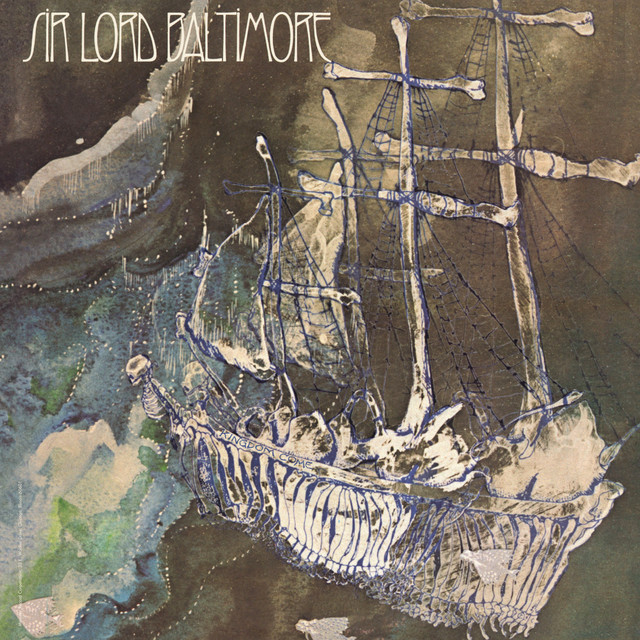
3. Kingdom Come
Sir Lord Baltimore’s 'Kingdom Come' from 1970 was a foundational tremor in early metal, predating much of what would become codified. Its raw, unpolished aggression, thundering drums, and distorted guitar riffs were a visceral assault. This wasn't just heavy rock; it was a blueprint for an entirely new sonic architecture, a primordial roar captured with gritty fidelity. They laid down a gauntlet, proving that pure volume and unbridled energy could forge something truly monumental.
4 / 11
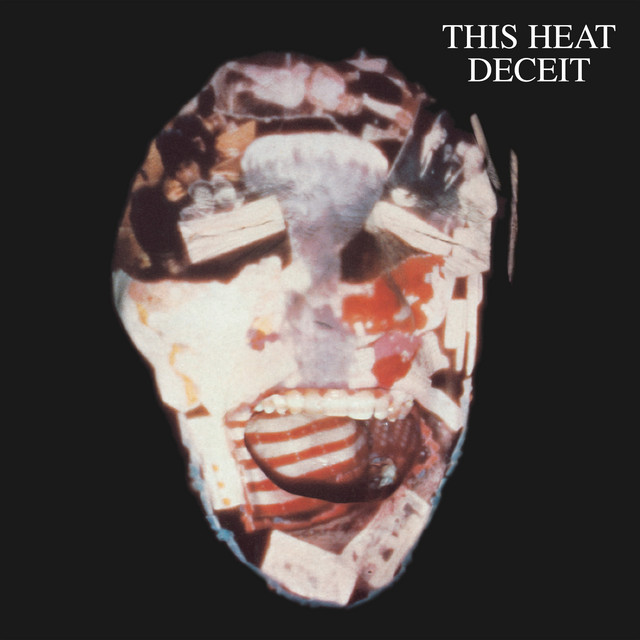
4. Deceit
This Heat's 'Deceit' from 1981 was a chilling, dystopian artifact, a masterclass in post-punk's more unsettling manifestations. Their industrial clangor, fractured rhythms, and stark, often disquieting vocals conjured a palpable sense of unease. It wasn't merely music; it was a sonic architecture of paranoia, a meticulously constructed sonic labyrinth reflecting the geopolitical anxieties of the early '80s, all captured with raw, uncompromising studio techniques.
5 / 11
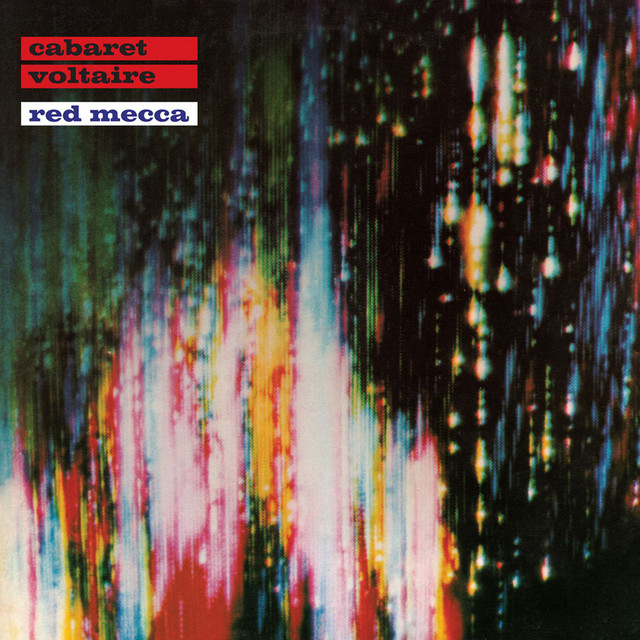
5. Red Mecca
The Sound's 'Red Mecca' from 1981 was a stark, compelling statement, a definitive document of coldwave's brooding intensity. Its angular guitar lines, propulsive bass, and Adrian Borland's impassioned vocals created a tapestry of urban desolation and quiet fury. This wasn't just post-punk; it was an exploration of societal decay, imbued with a melodic sensibility that elevated its bleak narratives, recorded with an austere yet powerful analog presence.
6 / 11
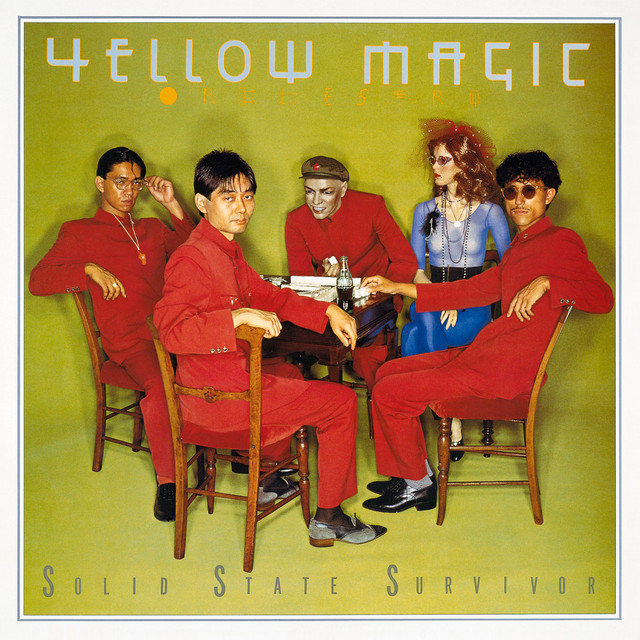
6. Solid State Survivor
Yellow Magic Orchestra's 'Solid State Survivor' from '79 was an astonishingly prescient blueprint for synth-pop and early techno. Its crystalline synthesizers, robotic rhythms, and meticulous arrangements created a future-funk aesthetic that felt utterly revolutionary. This wasn't merely pop; it was a sophisticated integration of technology and groove, hinting at entire genres to come. The album’s clean, precise production, all analog, still sounds remarkably fresh and innovative.
7 / 11
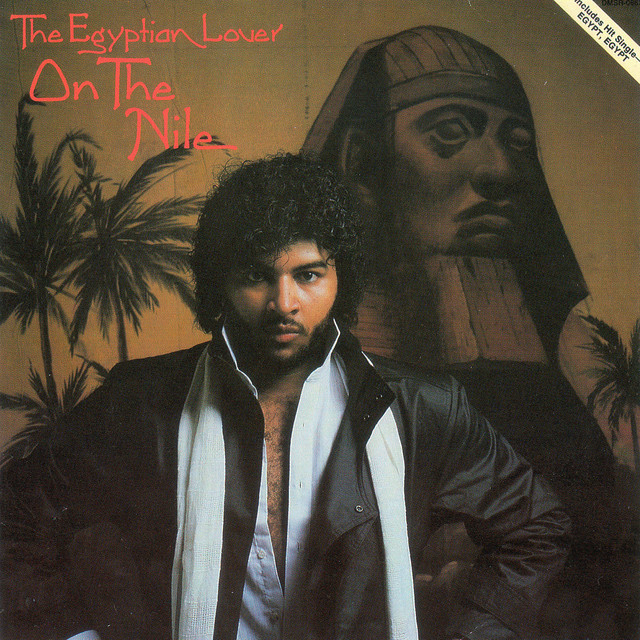
7. On the Nile
Earth, Wind & Fire’s 'On the Nile,' from their 1976 album 'Spirit,' was an epic, orchestral funk odyssey. Its intricate horn arrangements, Maurice White's soaring vocals, and groove-laden rhythms showcased a band at its absolute peak. This wasn't just disco; it was a meticulously crafted sonic spectacle, blending spiritual ambition with undeniable danceability, all realized with a lush, pre-digital studio opulence that remains unparalleled in its warmth and depth.
8 / 11
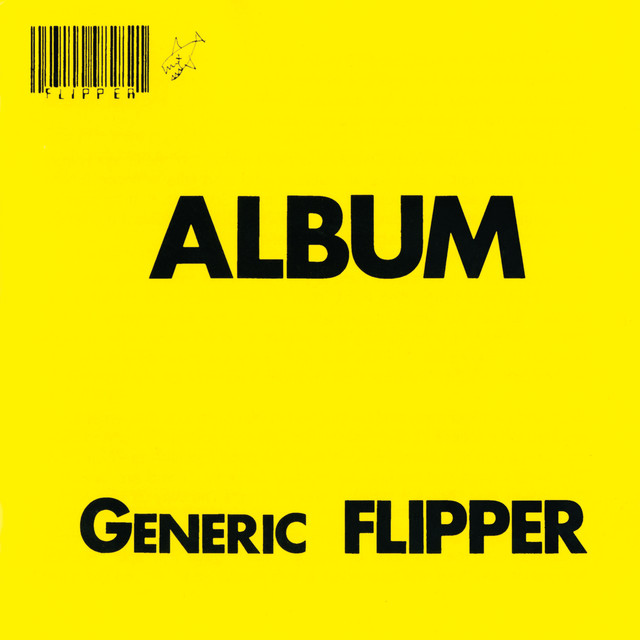
8. Album - Generic Flipper
Flipper’s 'Album – Generic Flipper' from 1982 was a brutalist monument in hardcore punk, a deliberate affront to convention. Its sludgy, repetitive riffs, lurching tempos, and Bruce Loose’s guttural vocals were an exercise in sonic nihilism. This wasn't merely punk; it was an anti-statement, a deconstruction of rock forms that influenced everything from grunge to noise rock. Its raw, unpolished recording captured a visceral, unsettling energy that still grates beautifully.
9 / 11

9. Seeing Through Sound (Pentimento Volume Two)
'Seeing Through Sound (Pentimento Volume Two)' from 1983, an obscure ambient work, was a masterclass in sonic texture and spatial illusion. Its shimmering synthesizers, elongated drones, and subtle percussive elements created an immersive, almost architectural soundscape. This wasn't just background music; it was a conscious effort to evoke visual perception through audio, a deeply intellectual yet sensuous experience, painstakingly crafted with analog gear.
10 / 11
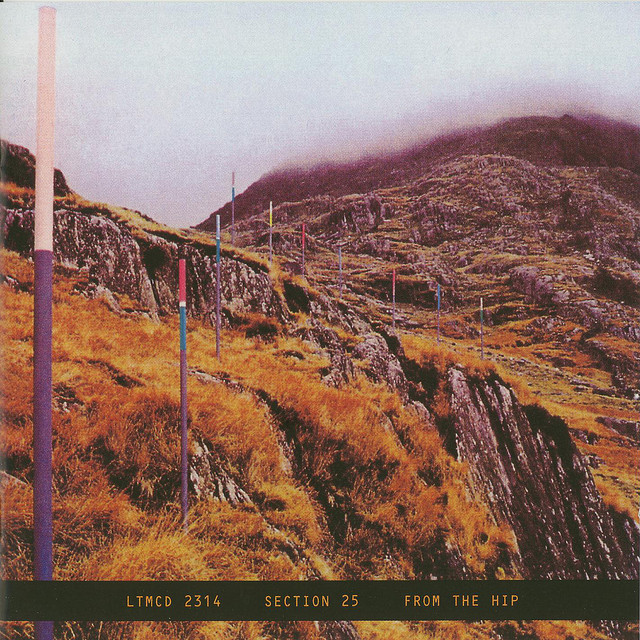
10. From The Hip
Section 25’s 'From The Hip' from 1984 was a shimmering, almost ethereal entry into coldwave and synth-pop. Its pristine drum machines, hypnotic basslines, and delicate synth melodies created a uniquely melancholic yet danceable atmosphere. This wasn't just factory-line synth-pop; it was a nuanced, emotionally resonant work, pushing rhythmic patterns into a sophisticated, almost minimalist realm. The album’s precise, yet warm, analog production was utterly captivating.
11 / 11
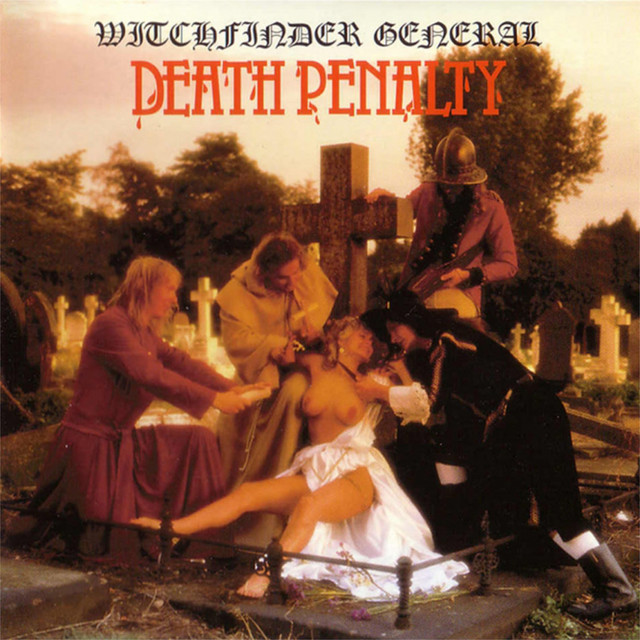
11. Death Penalty
Witchfinder General's 'Death Penalty' from 1982 was a pivotal slab of doom metal, a dark, lumbering beast of an album. Its crushing riffs, slow tempos, and occult-laced lyrics forged a sound of monolithic power. This wasn't merely heavy metal; it was a blueprint for an entire subgenre, demonstrating how sheer weight and oppressive atmosphere could be as impactful as speed. The raw, cavernous production amplified its grim, ritualistic intensity.