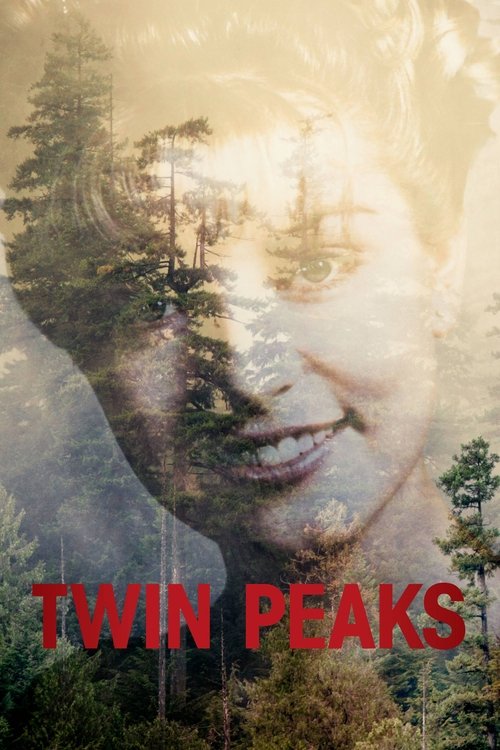
Good lord, *Twin Peaks*. A murder mystery, yes, but then it veered off into the utterly bizarre. Talking logs, dancing dwarves, cherry pie and damn fine coffee. It was unlike anything that had ever been on television before, feeling more like a feature film. The slow burn, the unsettling atmosphere, it pulled you in and refused to let go, proving that television could be truly artistic, and deeply, deeply strange.
from “Well, I Never! 12 Television Spectacles That Truly Shocked the System.” →
And then Lynch dropped this on us. It wasn't just a murder mystery; it was a whole mood, a small town steeped in surreal dread and black humor. The blend of soap opera melodrama, detective noir, and outright bizarre imagery created something utterly unique. You never knew if you should laugh or hide under the couch. It warped network TV expectations, proving that weird, artful storytelling could grab a mainstream audience by the throat.
from “The Vertical Hold's 6 Secret Signals: Weird TV You Need to Tune In” →
Before prestige TV was even a term, Lynch and Frost dropped this. Network television wasn't supposed to be this weird, this cinematic, or this deeply serialized. It felt like watching a long movie, broken into weekly chunks, challenging viewers to keep up with its atmospheric dread and quirky ensemble. It made you lean in, asking "Who killed Laura Palmer?" but also "What *is* happening?" A true game-changer for narrative depth on the small screen.
from “The Arc Analyst's Take: 7 Shows That Proved Television Could Be More” →