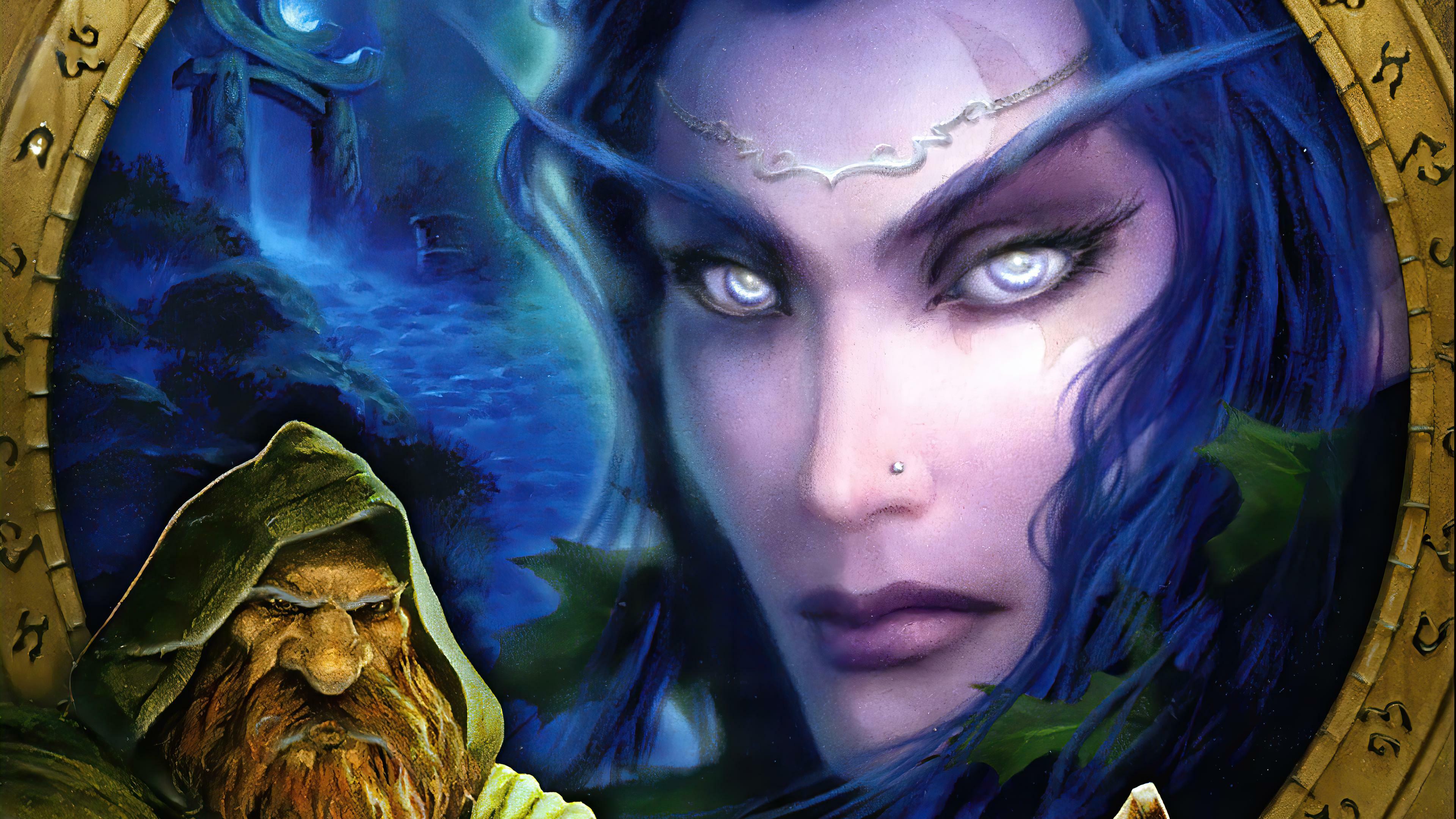
World of Warcraft wasn't just a game; it was a second life for millions. It perfected the MMORPG formula, creating persistent virtual societies with their own economies, politics, and social structures. The game proved the viability of subscription models and fostered unprecedented levels of online community, blurring the lines between real and digital relationships. It redefined what "online social interaction" truly meant.
from “10 Games That Secretly Reshaped Our Digital Lives” →
Ah, WoW. The OG time sink. You start with a simple quest, then suddenly it's 3 AM and you're calculating optimal raid rotations or farming a specific mount for the 500th time. Blizzard perfected the treadmill, weaving in just enough nostalgia and community to make you forget you're essentially paying a subscription to do chores. But hey, those chores come with dragonriding now, so it's all good, right?
from “Forget 'Happily Ever After': 12 Games That Demand Your Soul (And Make You Love The Grind Anyway)” →
You chose a faction. You explored Azeroth. You raided dungeons. You made countless friends. This was a second home for many. It built communities. It fostered epic tales. You lived a virtual life. It showed the power of persistent worlds. And it blurred the lines between digital and real connections, a truly vast social experiment, evolving with millions of stories.
from “12 Games. The Portal To Your Past Is Open.” →