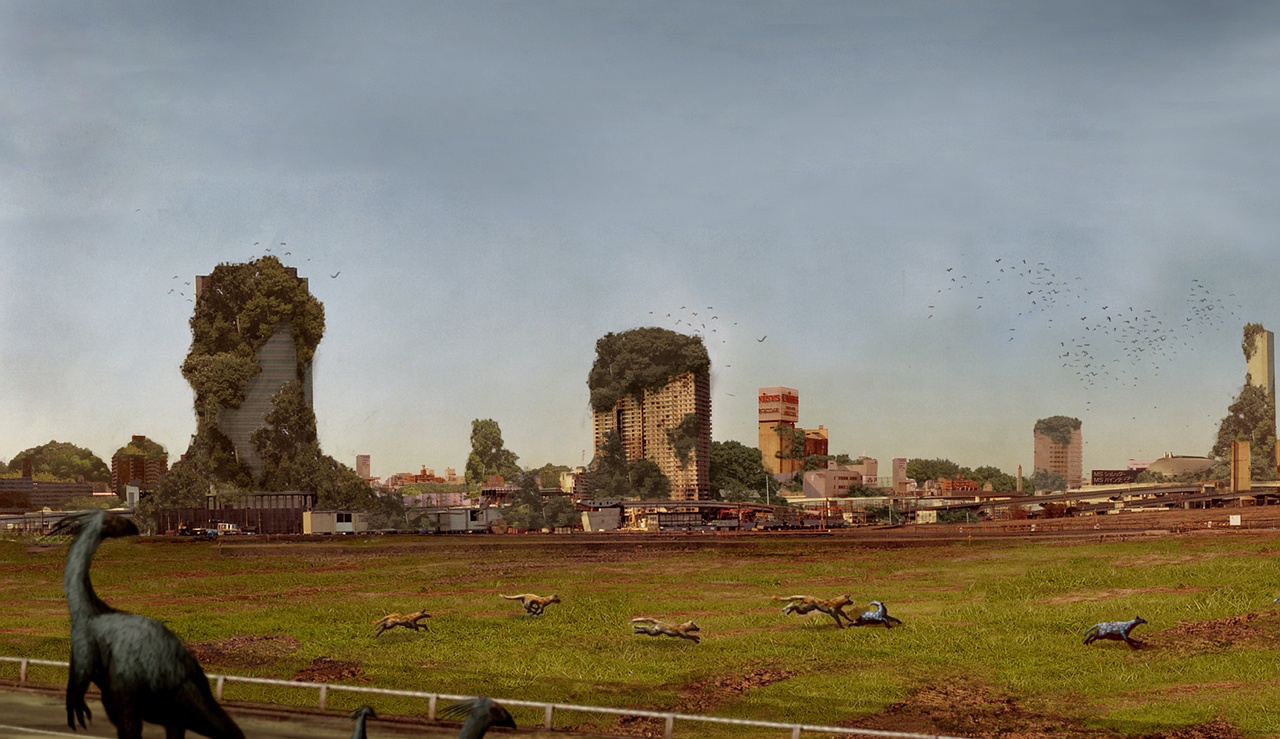
Tokyo Jungle, originally a PlayStation 3 digital title, started with an utterly bizarre premise: what if all humans vanished, and animals had to survive in a post-apocalyptic Tokyo? Playing as a Pomeranian or a lion, struggling for territory and food, was undeniably quirky. Its simple, addictive loop of survival, procreation, and unlocking new species created a gaming experience that was both absurd and compelling. The sheer novelty of it made it an immediate, unexpected talking point.
from “7 Games That Went Viral Without Even Trying” →
Imagine a post-apocalyptic Tokyo where animals rule. You start as a Pomeranian, then unlock lions, crocodiles, eventually a T-Rex. This PS3 digital gem was utterly absurd but incredibly addictive, a pure survival sim with a wild premise. It’s a prime example of what creative indie or mid-tier development used to achieve on consoles, proving innovation doesn't always need a massive budget; sometimes, it just needs a truly wild idea.
from “9 Games So Unexpected, They'll Make You Spoil Them To Everyone” →
Alright, picture this: post-apocalyptic Tokyo, but humanity is gone, and animals are just... doing their thing. This PS3 title from 2012 is a survival action game where you play as a Pomeranian trying to survive against lions and bears. It's absurd, hilarious, and surprisingly deep with its generational system. It's pure chaos and unique gameplay. Your streamer probably picked this up because it was so utterly bizarre, and then got hooked on trying to survive as a deer. A truly wild ride.
from “12 Banger Games Your Fave Streamer Probably Sleeper-Picked (Before They Were Cool)” →
The 2012 PS3 post-apocalyptic survival game. Humans vanished. Animals now rule Tokyo's overgrown streets. Play as a Pomeranian. Or a lion. Or even a chicken. Hunt for food. Mate to expand your lineage. Survive against fierce predators. Conquer new territories. Its premise is absurd. Its gameplay is surprisingly deep and engaging. A truly unique take on the urban food chain. It’s wild.
from “Your Brain Needs These 12 Unseen Worlds” →