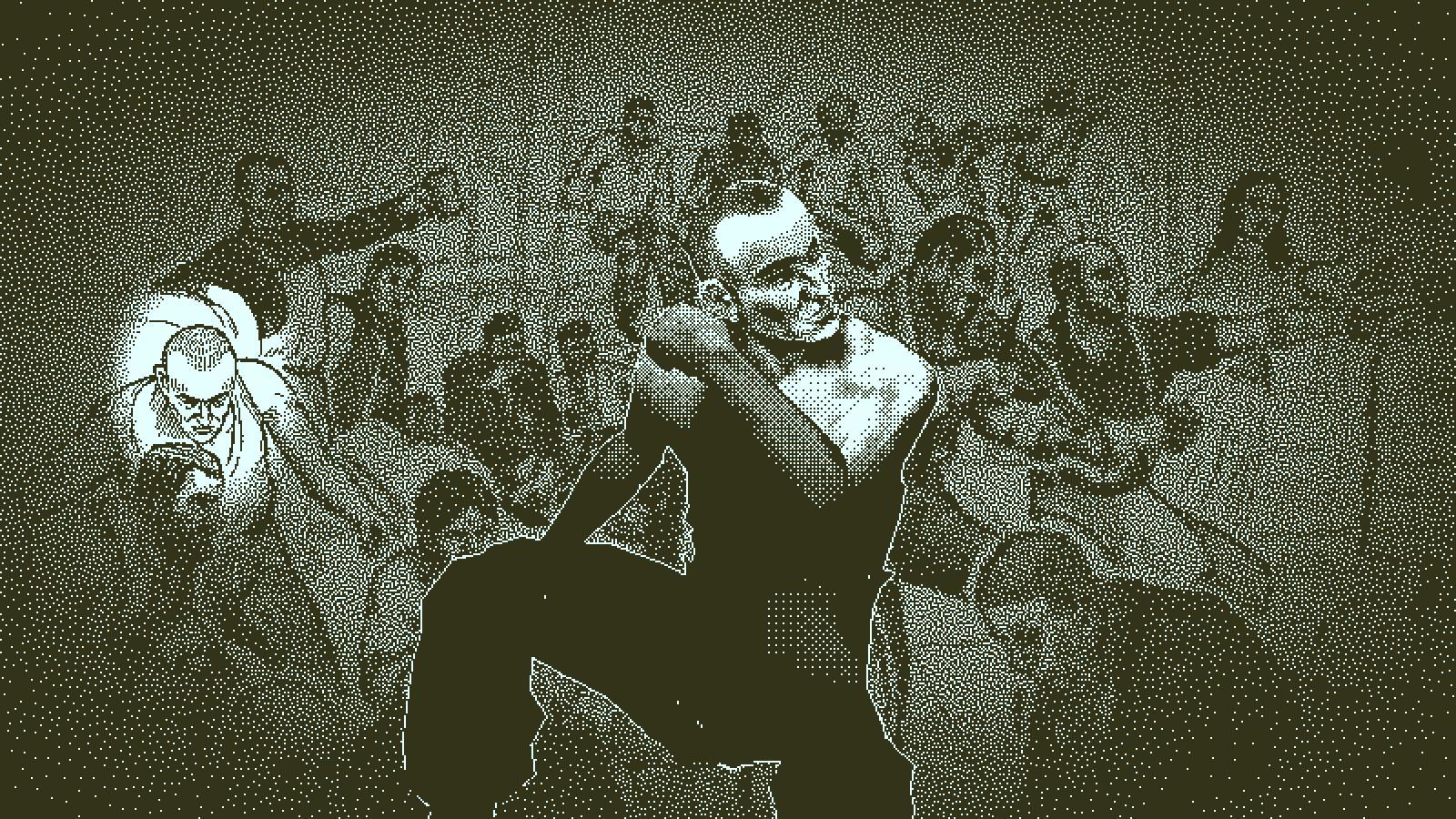
Lucas Pope’s 2018 follow-up to Papers, Please plunges you into a maritime mystery aboard a ghost ship. You’re tasked with deducing the fates of the entire crew using a magical pocket watch that replays moments of death. Its striking monochromatic art style and meticulous, deduction-heavy gameplay require careful observation and logical leaps, offering an intellectual challenge few games dare to present with such elegance.
from “Mistaken for Mediocre: 10 Gaming Masterpieces You Might Have Overlooked” →
Lucas Pope’s masterpiece is a narrative puzzle box. You're not playing a character, you're an insurance investigator, meticulously reconstructing a doomed ship's final moments. The game's stark aesthetic and brilliant deduction mechanics are utterly subservient to its intricate, non-linear story. It demands your attention, rewards your insight, and proves that innovative storytelling can still emerge from a singular, focused vision.
from “Superhero Fatigue? Nah, It's Bad Writing. These 9 Games Are The Proof.” →
Okay, Obra Dinn is a masterpiece of deduction, fr fr. You're an insurance investigator on a ghost ship, trying to figure out what happened to everyone. The art style is totally unique, like an old Macintosh game, but don't let that fool you. The way it weaves its mystery is insane; you're piecing together stories from fragmented moments. It makes you feel like a genius detective. Truly one of the most innovative puzzle games ever.
from “Don't Even @ Me: 11 Games That Deserve Way More Hype (Fr Fr!)” →
Investigate a ghost ship. Everyone is dead. Or missing. Use a magical pocket watch. See the moments of death. Deduce fates. Find identities. The 1-bit art style is striking. The logic puzzles are genius. It demands meticulous attention. It’s a masterclass in deduction. And it's incredibly satisfying.
from “10 Games That Prove Art Has No Limits” →