
1 / 7
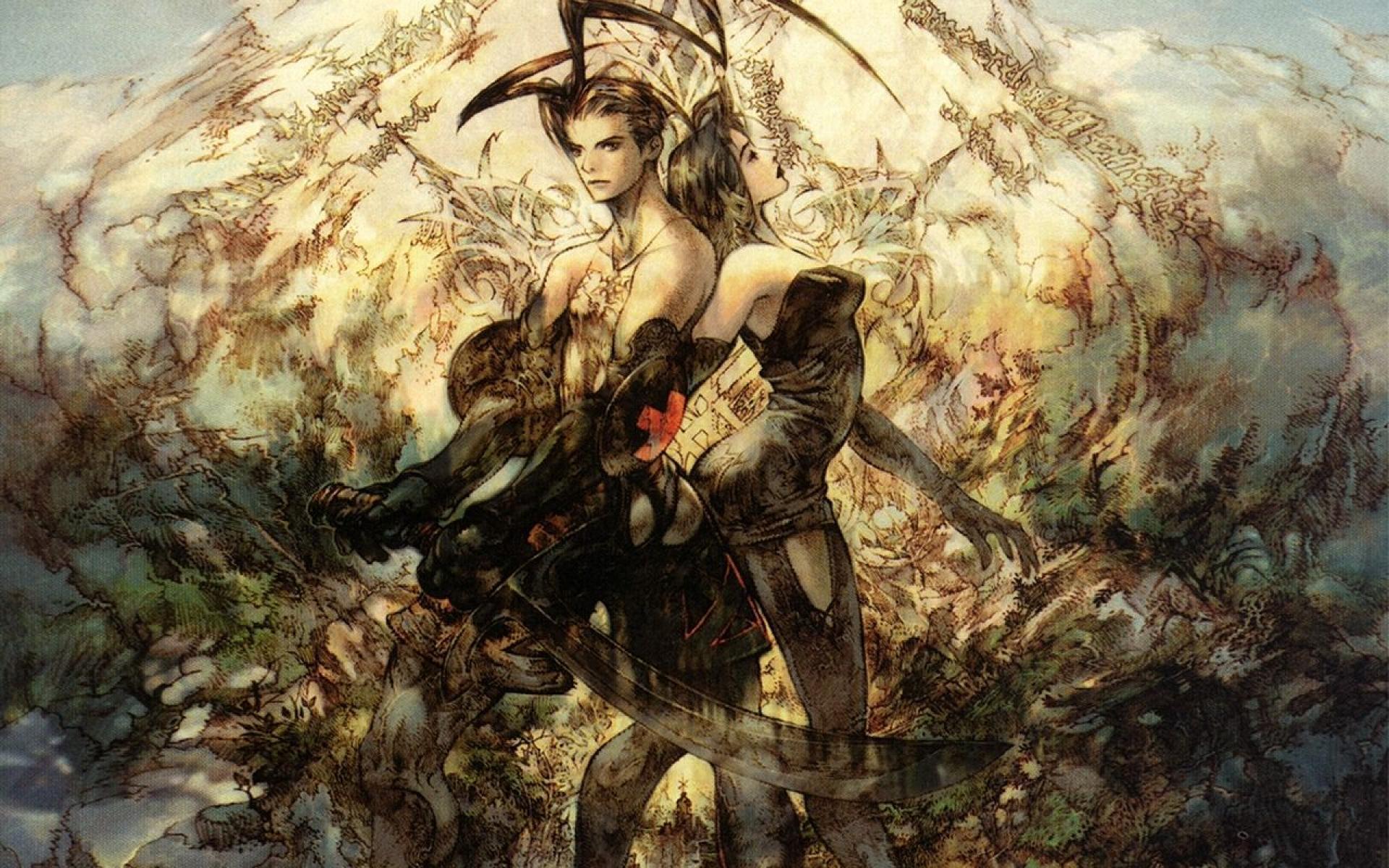
1. Vagrant Story (2000)
Back in 2000, Square put out Vagrant Story, a PlayStation masterpiece that wasn't a Final Fantasy and paid for it with sales. But man, this game was *dense*. Its combat and crafting systems were a labyrinth of stats, weapon affinities, and risk-reward that modern RPGs often shy away from, prioritizing accessibility over genuine mechanical depth. It asked players to learn, to master, and offered a dark, mature narrative that respected your intelligence. Pure, unadulterated design brilliance that the mainstream just breezed past.
4 critics · 121 lists →
2 / 7
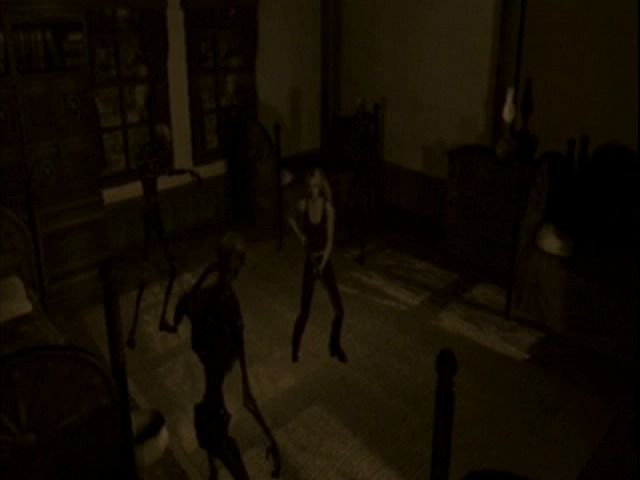
2. Eternal Darkness: Sanity's Requiem
The GameCube had its share of unique titles, and Eternal Darkness from 2002 stood out. This wasn't just another horror game; it messed with your head directly. The sanity effects weren't just visual glitches; they'd pretend to corrupt your save file or turn your TV off. It broke the fourth wall in ways that felt genuinely unsettling, showing a boldness in design that's completely missing in today's jump-scare-laden horror landscape. It was a psychological masterpiece, not just a gore-fest.
4 critics · 78 lists →
3 / 7
3. killer7
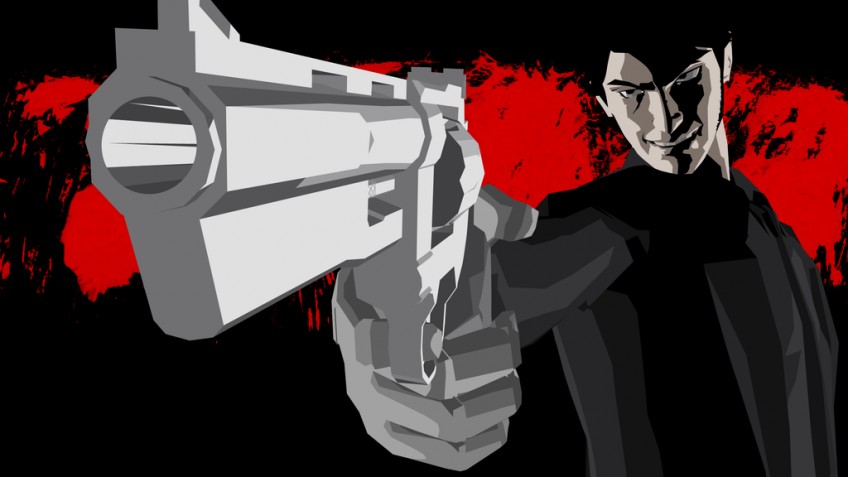
Suda51's killer7 from 2005 was a fever dream, an on-rails shooter on the GameCube and PS2 that looked and played like nothing else. Its cel-shaded, aggressively stylish visuals and utterly bizarre narrative were polarizing, sure, but that's the point. It dared to be different, to be art, in an era where publishers already started pushing for safer, focus-grouped experiences. It’s a testament to raw, unfiltered artistic vision that you just don't see greenlit today.
4 critics · 83 lists →
4 / 7
4. God Hand
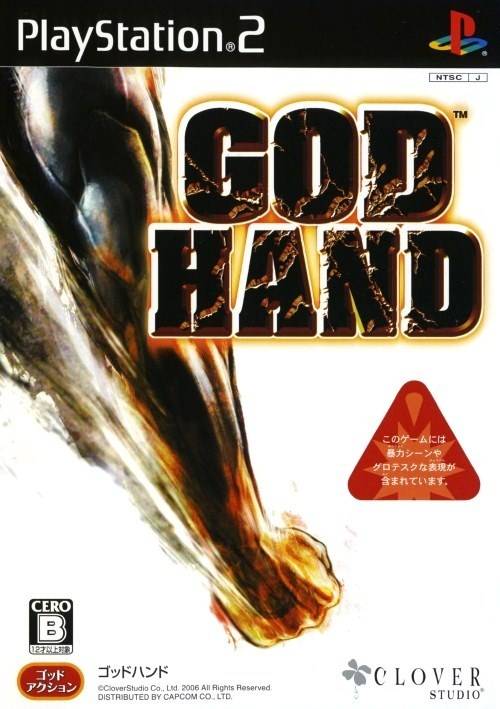
Clover Studio's God Hand hit PS2 in 2006, and it was a pure, unadulterated beat 'em up that critics often panned for being 'too hard' or 'ugly'. But underneath that B-movie aesthetic was one of the most mechanically deep and satisfying combat systems ever. You customized entire movesets, chaining ridiculous attacks with hilarious flair. It's a game that respected player skill, not just visual spectacle, proving that sometimes, rough edges hide an absolute diamond of gameplay design. A true cult classic.
4 critics · 24 lists →
5 / 7
5. NIER
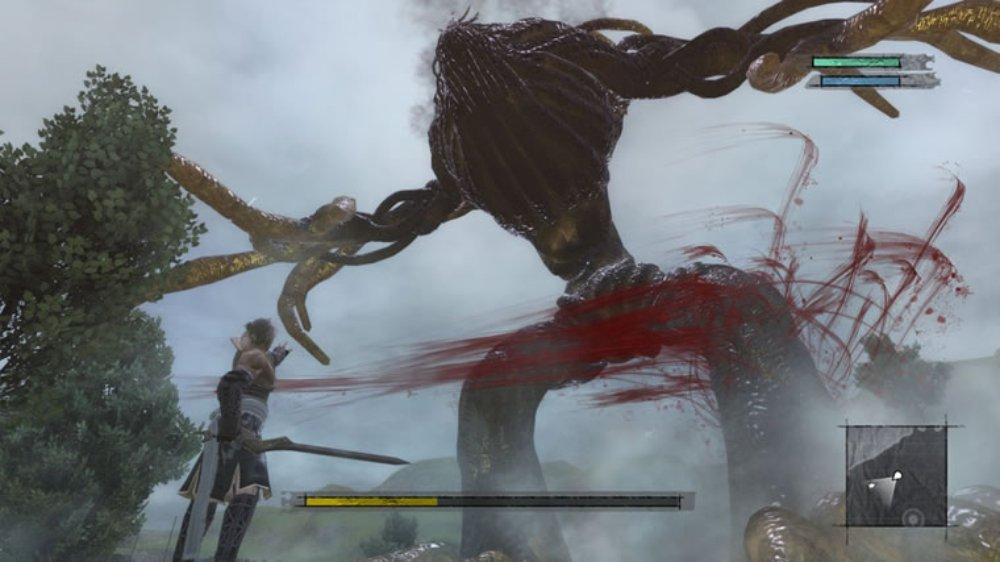
The original NIER, from 2010 on PS3 and Xbox 360, was a janky mess in many ways, but its heart and soul were undeniable. Yoko Taro crafted a melancholic, genre-bending masterpiece with one of the greatest soundtracks ever composed. It explored themes of sacrifice, love, and humanity with such poignancy that it transcended its technical flaws. It proved that a unique vision, a powerful story, and incredible music can resonate far deeper than any amount of graphical polish or marketing budget.
2 critics · 14 lists →
6 / 7

6. Deadly Premonition
Deadly Premonition, released in 2010 for Xbox 360 and PS3, is the poster child for 'so bad it's good' and 'pure genius despite itself'. Technologically, it was a train wreck, but creatively? It was a Twin Peaks-inspired, charmingly weird detective story with memorable characters and an atmosphere unlike anything else. It's a stark reminder that true creativity and unique vision can often be found in janky, low-budget packages, not just the polished, sterile worlds of modern AAA.
4 critics · 35 lists →
7 / 7
7. Gravity Rush
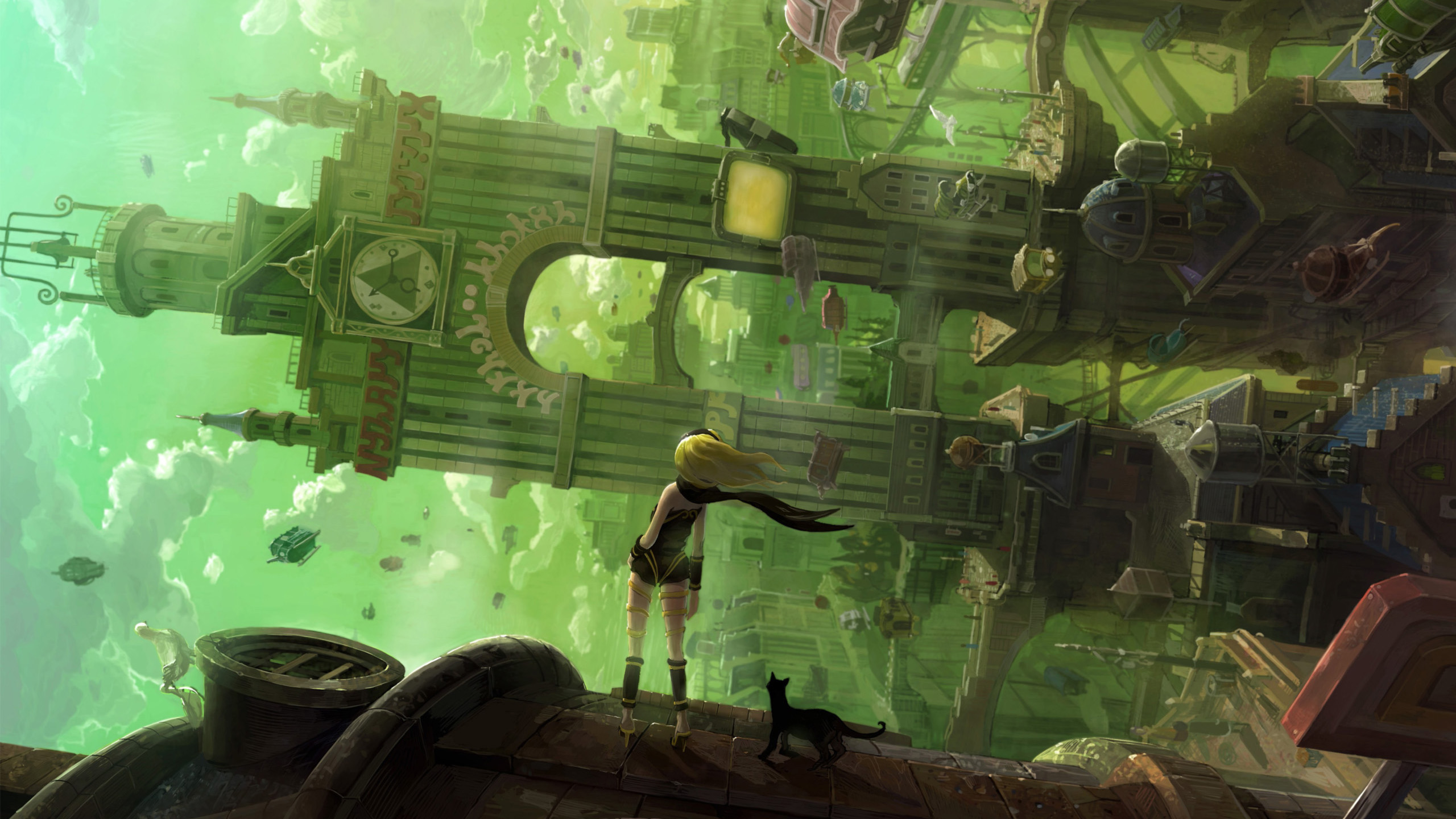
Gravity Rush on the PS Vita in 2012 was a bold, imaginative title that showcased what a dedicated development team could do with a unique concept. Its gravity-shifting mechanics were genuinely innovative, offering a sense of freedom and movement rarely seen. Coupled with a gorgeous cel-shaded art style and a charming protagonist, it felt like a breath of fresh air. It's a shame it was tied to the Vita, a console the mainstream largely ignored, because this game deserved a bigger stage.
4 critics · 21 lists →