
#1
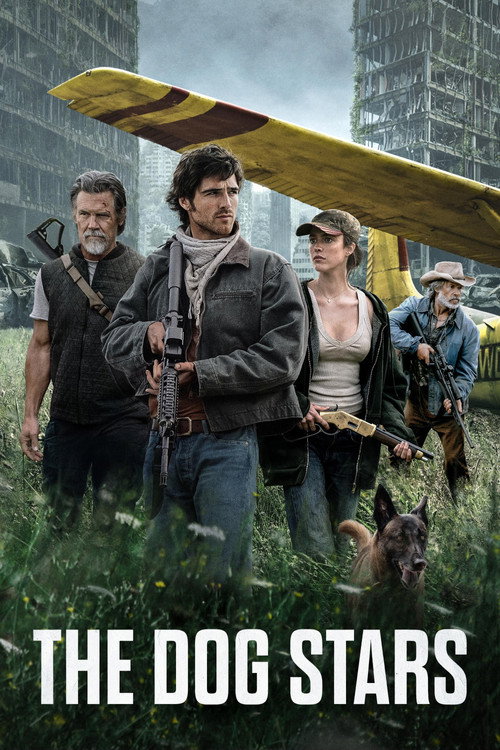
The Dog Stars
Tracking the operational radius of that vintage Cessna is where the true narrative mechanics live. The film dropped in August, giving us a sparse, meticulously fenced-in perimeter in Colorado where fuel math dictates every single decision. Look closely at how the hangar chores establish the daily treaty between the pilot and his grim gunman companion. When that phantom radio frequency disrupts their dead-air baseline, the entire tactical equilibrium shatters. It delivers textbook radio-triangulation lore for true survival purists.
#2
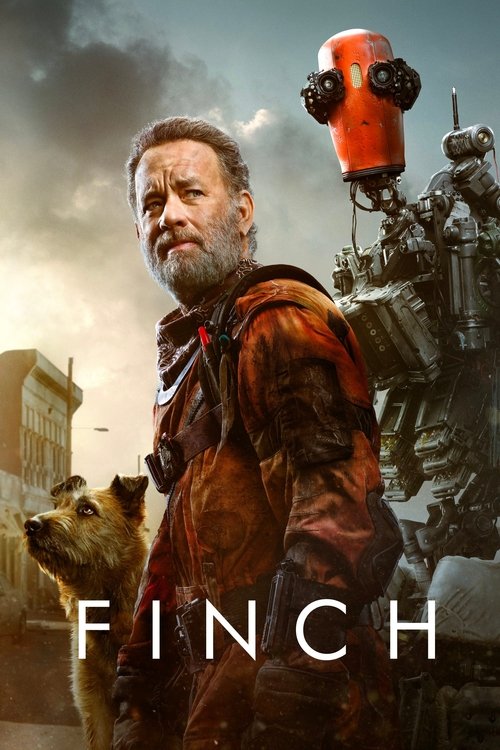
Finch
Look at the temperature gauge on Finch’s modified RV during the daytime crossing; that direct UV scorch informs every micro-decision. He builds Jeff because organic life cannot sustain the UV index outside St. Louis, which tells you everything about his failing respiratory clock. Most viewers miss the dog-training protocols programmed into the neural net during the second act. Finch is engineering a post-human caregiver loop down to the exact caloric weight of dog biscuits. Pure mechanical worldbuilding.
#3
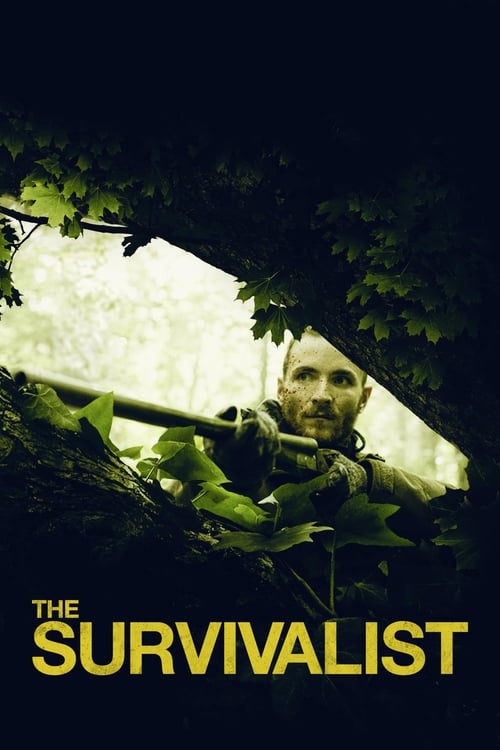
The Survivalist
Stephen Fingleton understands agricultural logistics better than almost any post-collapse director. Watch the opening graph: population versus oil production. That sets the brutal mathematical stakes for the entire cabin ecosystem. The protagonist weighs out his garden seeds with an apothecary scale because a five-calorie deficit means starvation six months down the line. Notice how he saves spent shotgun casings to repack manually with scavenged match-head sulphur. That is functional, granular apocalypse continuity without a second of wasted exposition.
#4

Arctic
Overgard’s daily routing reveals insane attention to cold-weather protocol. His stone cairns aren’t random markers; they form a calculated transit grid mapped directly against the plane’s wreckage. Watch his ice-drilling routine: he uses a hand auger timed to specific daylight shifts to preserve body heat. When he plots the sled trajectory toward the seasonal station, his topographic contour line readings actually match real Arctic elevation gradients. Every single frostbite stage aligns with medically accurate exposure timelines. A clinic in physical continuity.
#5

The Last Battle
Luc Besson’s debut strips away speech entirely, forcing the lore into architecture and salvage physics. The apocalypse destroyed human vocal chords, so characters communicate through grunts and kinetic violence. Watch how the protagonist secures his courtyard with counterweighted iron spikes and builds an improvised glider from tent fabric and junkyard tubing. Even the surreal fish rain functions as a biological replenishment system for an otherwise dead city. The timeline of this ruined French coastline feels brutally lived-in.
#6
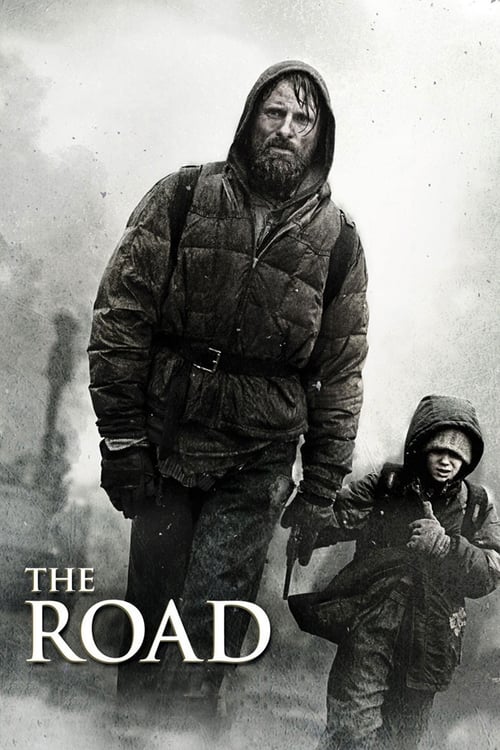
The Road
Track the bullet count in the revolver. The Man starts with two rounds, and that dwindling ammunition count controls the entire psychological pressure of their trek south. Notice the taped boots and the oiling of the shopping cart’s front wheel; friction is a mortal enemy when you are scavenging across burned ash fields. The fallout shelter scene isn’t an oasis; it exposes the terrifying logistics of canned good expiration dates and air vent security against roving cannibals.
#7
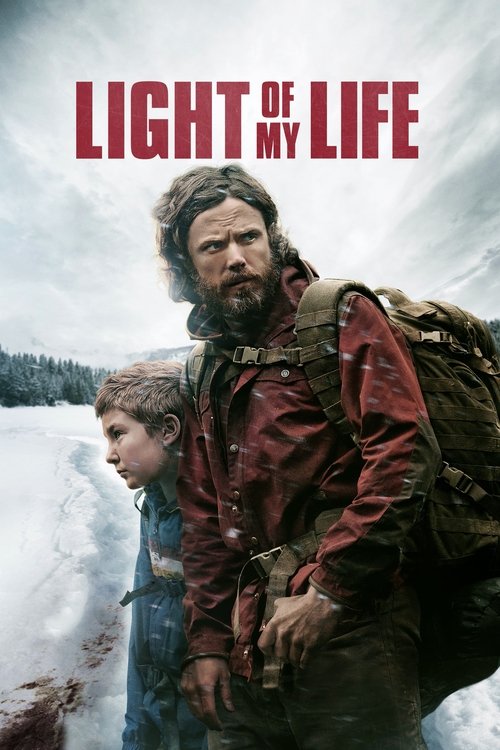
Light of My Life
Casey Affleck’s pandemic timeline establishes that a plague wiped out nearly the entire female population, demanding paranoid counter-surveillance protocols. The dad forces his daughter Rag to sleep in clothes with shoes tied to their wrists for instant bugouts. Check the perimeter tripwires: he uses fishing line tied to hollowed-out tin cans filled with dried beans instead of stones for a lighter, distinct acoustic rattle. The hygiene routines around burying campfire ash prove how thoroughly this world demands complete spatial erasure.
#8

On the Beach
Stanley Kramer’s timeline is pure creeping doom measured in atmospheric currents. The Northern Hemisphere is already completely dead, and the lore tracks the slow, inevitable drift of radiation down toward Melbourne. The greatest detail is the reconnaissance mission to San Francisco: the ghost radio signal driving their submarine crew north turns out to be a window shade cord tangling with a telegraph key. That mechanical tragedy confirms no one survived. The military distribution of suicide capsules seals the canonical bleakness.
#9

It Comes at Night
Trey Edward Shults treats house architecture like a quarantine fortress. The red door is the absolute threshold, and the lock protocol requires two keys held only by Paul. Notice the lantern hygiene: no open flames at night, only battery-conserving red filters to preserve peripheral vision in the woods. Pay attention to the timeline of symptoms—blackened tongue, bloody vomit—and how the nightmare sequences warp the layout of the hallway. The movie turns interior airlocks into pure existential horror.
0 / 9