


#1

The Hunger Games: Sunrise on the Reaping
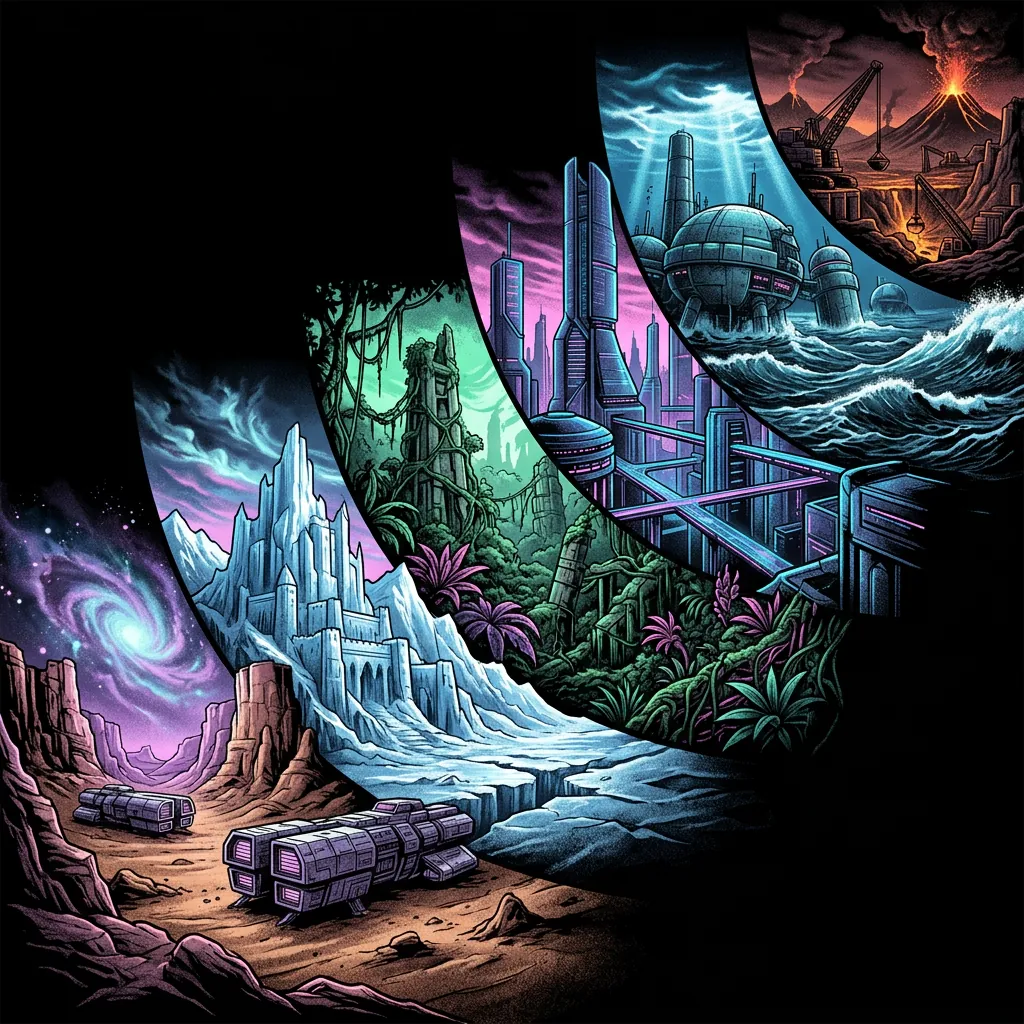
Tracking the Panem timeline requires anchoring every political shift to specific Quell rulings. Arriving on November 18, 2026, this entry locks our focus onto the morning of the 50th Hunger Games reaping, precisely twenty-four years before Katniss Everdeen volunteered. Establishing the narrative framework around the Second Quarter Quell offers crucial chronological data for franchise canon. Analyzing the bureaucratic mechanics of Panem during this specific historical inflection point reveals the exact structural foundation supporting Capitol arena architecture.
#2
Punishment Park
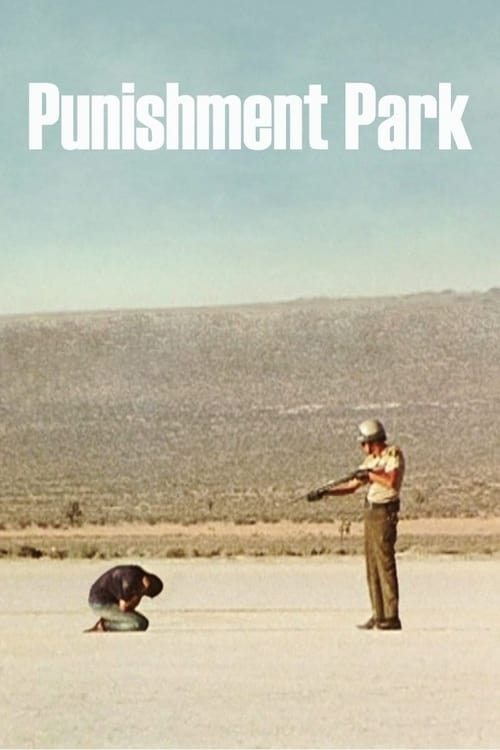
Peter Watkins practically engineered the modern death game doctrine right here. Setting counterculture dissidents loose across the blazing Bear Mountain desert under the McCarran Internal Security Act establishes a harrowing institutional precedent. Look closely at the handheld camera tracking: Watkins uses documentary realism to document state-mandated attrition. When the federal officers inevitably violate their own flag-checkpoint rules at the boundary line, you witness the raw blueprint for rigged arena mechanics that later media perpetually emulates.
2 critics · 2 lists →
Watch in US FlixFling
#3

The Running Man
Freeze-frame the control room monitors behind Damon Killian to catch the real narrative engine: real-time digital compositing and doctored broadcast delays. Glaser’s adaptation designs its municipal death zones as a literal soundstage grid, dispatching costumed stalkers like Fireball and Subzero strictly according to commercial breaks and audience ratings spikes. Pay attention to how Ben Richards systematically exploits blind spots in the arena camera relays. That tactical mapping turns television broadcasting infrastructure into the ultimate weapon against the state.
#4

The 10th Victim
Elio Petri codifies the commercialized hunt through strict operational protocol. The Big Hunt’s rules dictate alternating roles across ten matches: five times as hunter, five times as victim, complete with formal state sponsorship contracts. Notice the motif of corporate marketing infiltrating murder sites across Rome, particularly Ursula Andress staging kills to satisfy television broadcast requirements. Petri exposes how bureaucratic institutions normalize lethal spectacle. That thematic motif directly influenced how cinematic arenas balance tactical combat with corporate merchandising.
#5

Death Race 2000
Paul Bartel hides a clinical political breakdown beneath Roger Corman's exploitative chassis. The Transcontinental Road Race operates on a brutally specific scoring matrix: different demographics yield distinct point totals, turning public highways into an open-air extermination zone. Track the media broadcasts meticulously. Notice how the central government fabricates resistance attacks in real time to sustain public distraction. Frankenstein’s reconstructed physical body stands as the grim canonical marker of what regime entertainment costs its most celebrated champions.
2 critics · 3 lists →
#6
As the Gods Will
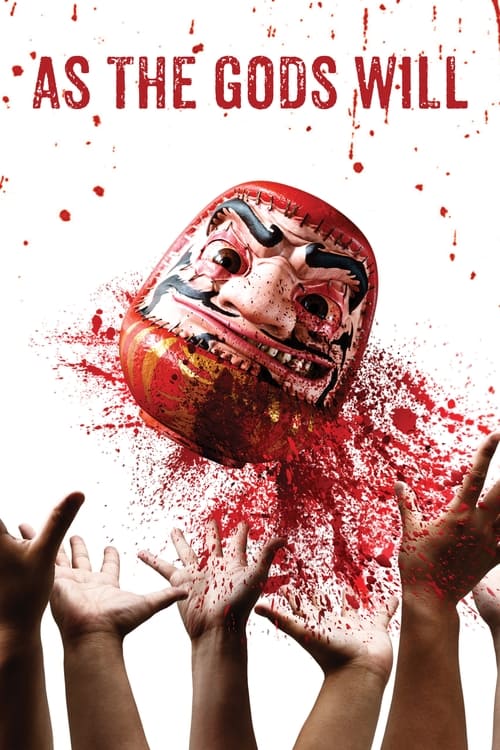
Takashi Miike constructs lethal arena psychology using sacred iconography and playground folklore. The opening Daruma doll sequence establishes strict perceptual rules: move during line-of-sight and your body detonates into red marbles. Notice the timing irregularities in the Daruma’s spoken cadence, engineered purely to induce panic. Miike traps high schoolers inside floating polyhedral cubes, systematically stripping away social cohesion through games like Kagome Kagome. The recurring motifs of chance versus design make every round feel unnervingly calculated.
#7
The Most Dangerous Game
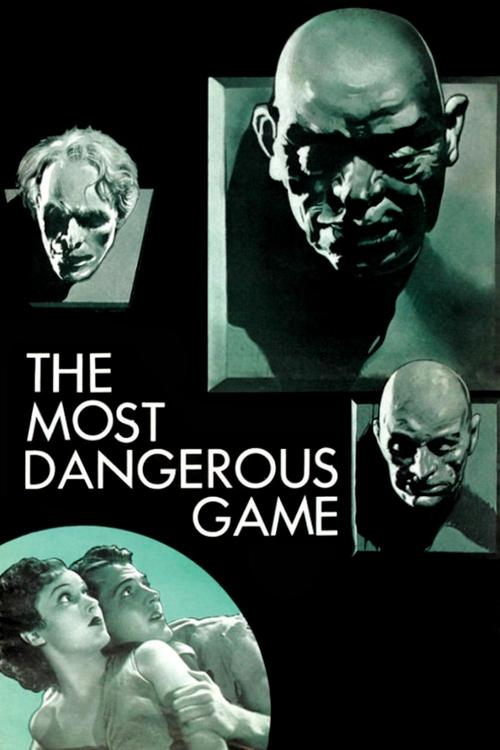
Shot concurrently on RKO’s King Kong jungle sets, this foundational text invented modern arena geography. Count Zaroff’s Ship-Wreck Island operates under strict, aristocratic parameters: a three-day survival deadline, outdoor hunting zones, and systematic traps like the Malay mancatcher and Burmese tiger pit. McCrea and Banks play an ideological chess match that defines the predator-prey dynamic across all subsequent cinematic survival trials. Look at Zaroff’s trophy room; that spatial layout codifies the psychological architecture of the ultimate gamemaster.
0 / 7