


#1
Primetime
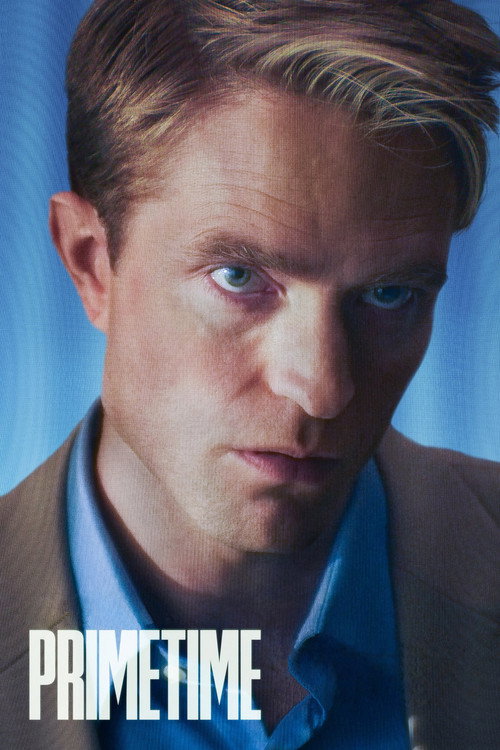
That mid-2000s sting-operation aesthetic carries the nastiest visual texture. You get the tacky suburban kitchen lighting, hidden mini-DV grain, and Chris Hansen’s immaculate suit contrasting against pure panic. Following Hansen as his performative justice circus spirals into an absolute tragedy exposes the cold, predatory mechanics of reality ratings. It sits in that sick, fluorescent intersection of true crime exploitation and studio hubris. Every frame feels uncomfortably clinical, catching the exact second where broadcast ambition destroys lives for viewership.
#2
Network
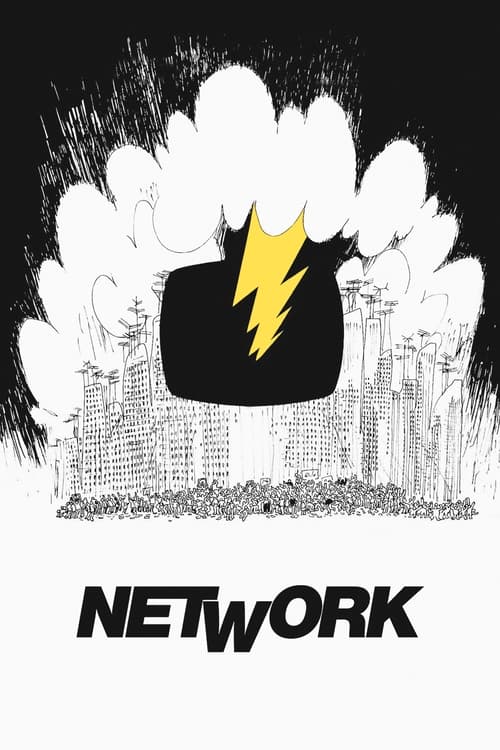
The visual temperature here is pure burnt coffee and stale smoke. Sidney Lumet shoots corporate boardrooms like brutalist tombs, drowning everyone in suffocating institutional ambers. Peter Finch screaming soaked in wet wool gives the ultimate unhinged broadcast energy. The framing keeps isolating Howard Beale until he basically dissolves into an avatar for televised rage. Everything looks sharp, corporate, and completely devoid of human warmth. You can practically smell the overheated camera tubes cooking the studio air through the screen.
4 critics · 12 lists →
#3
Late Night with the Devil
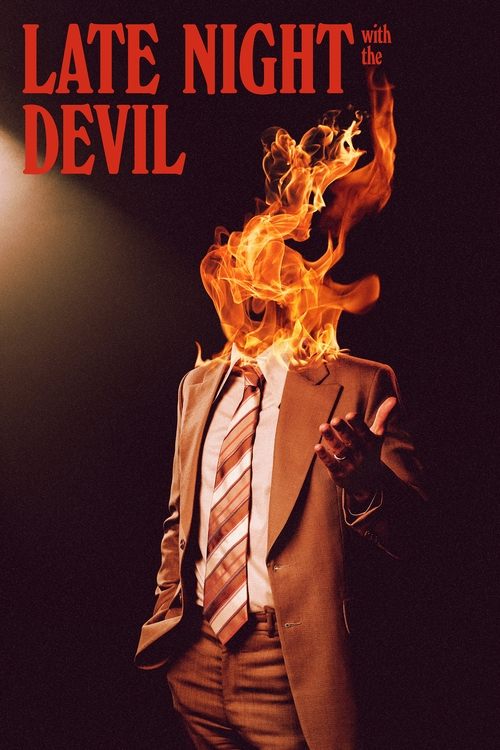
The warm, muddy 1970s studio palette does immense heavy lifting here. Between the mustard carpets, harsh multi-cam switching, and analog tape bleed, the visual disguise feels airtight until the occult rot sets in. David Dastmalchian has the ultimate haunted variety-host face, sweating through pancake makeup under blinding spotlights. The backstage interludes drop the colorful gloss for flat, icy monochrome reality, making the on-air possession hit ten times harder. The final act visual meltdown lives completely rent-free in my skull.
#4
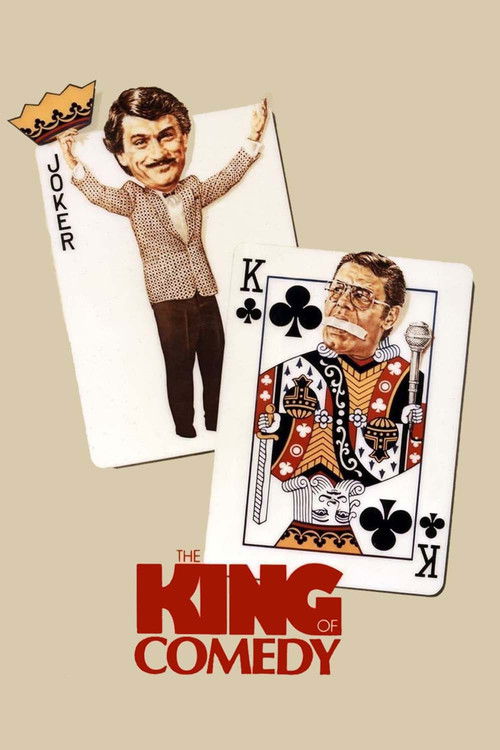
The King of Comedy
Martin Scorsese deliberately sucked all the moody cinema out of this frame to give it a hideous, flat public-access glaze. Rupert Pupkin’s red satin suit against his mom’s basement cardboard cutouts is high-tier cringe aesthetic. The framing is totally static, forcing you to sit in the awkward dead air while Robert De Niro desperately begs for applause. It captures the greasy, delusional desperation of wanting to be beamed into millions of living rooms at any cost.
2 critics · 5 lists →
#5
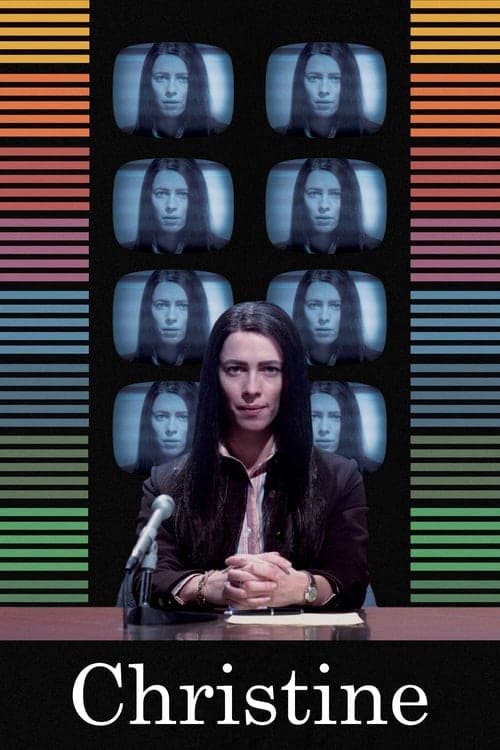
Christine
The 1970s Florida color palette looks washed out, sun-bleached, and thoroughly depressing. Rebecca Hall moves like a puppet with cut strings, swimming in dull polyester blazers under buzzing newsroom fluorescents. Antonio Campos keeps the camera lingering in excruciating mid-shots, framing her alienation against bulky, beige broadcast tech that simply does not care about her misery. The inevitable on-air breakdown carries an icy, matter-of-fact stillness that ruins your day. It stays hauntingly grounded in quiet, heavy television dread.
#6
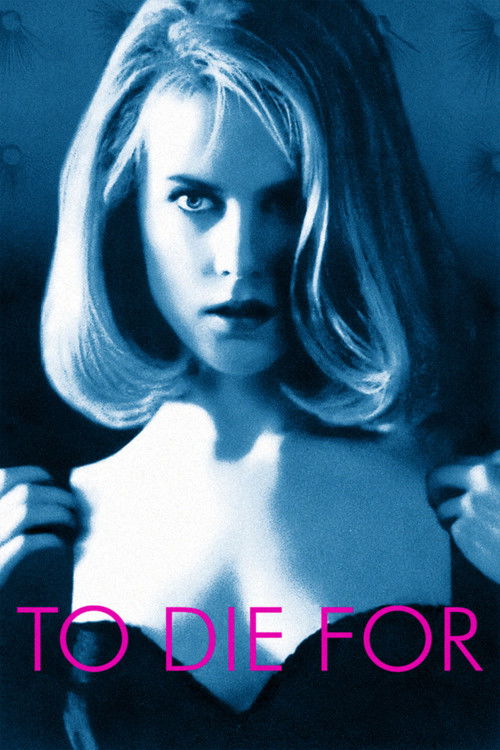
To Die For
Nicole Kidman rocking icy pastel cardigans against snowy, dreary New England gloom is an untouchable visual mood. Gus Van Sant shoots Suzanne Stone with candy-coated wide angles that scream local weather-girl delusion. The mockumentary cuts and hyper-saturated daytime lighting reveal her absolute vacuous vanity. She stares dead into the lens with chilling, hyper-focused ambition, treating real humans like disposable B-roll for her audition tape. It captures the glittery, sociopathic rot behind broadcast fame with immaculate, trashy nineties flair.
#7
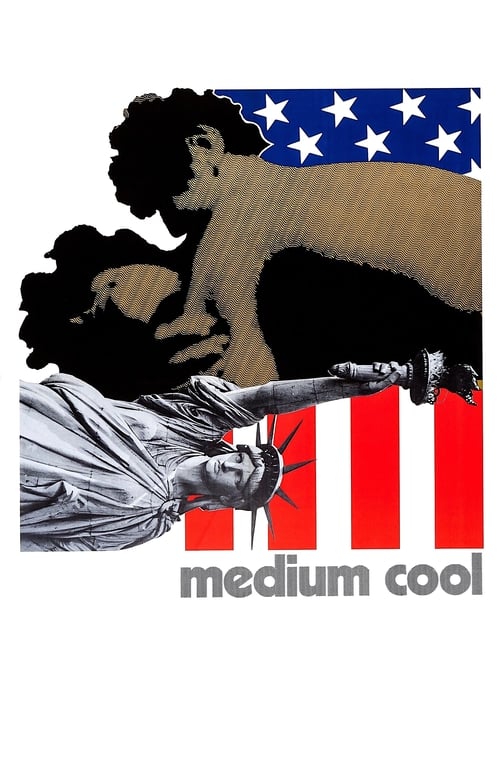
Medium Cool
Haskell Wexler shot this on raw 16mm right in the middle of the actual 1968 Chicago riots, giving it pure documentary adrenaline. The contrast between slick TV cameraman detachment and literal tear gas drifting across the frame feels jarringly real. The natural light, handheld chaos, and grainy street textures refuse to let the viewer disengage. That legendary sequence running through the park captures media complicity with zero filter. It looks abrasive, sun-baked, and deeply politically haunted.
#8

Broadcast News
The frenetic control-room cuts and clunky videotape edits deliver absolute sensory overload. James L. Brooks nails the high-stress glamour of late-eighties network journalism, balancing primary-colored office clutter with crisp, shadowy monitor bays. Albert Brooks drenched in flopsweat under burning anchor desk lights is legendary visual panic. Meanwhile, William Hurt’s vacuous charm floats through the frame like an empty vessel built for ratings. The speed of the edits alone induces a gorgeous, high-stakes panic attack.
2 critics · 2 lists →
#9
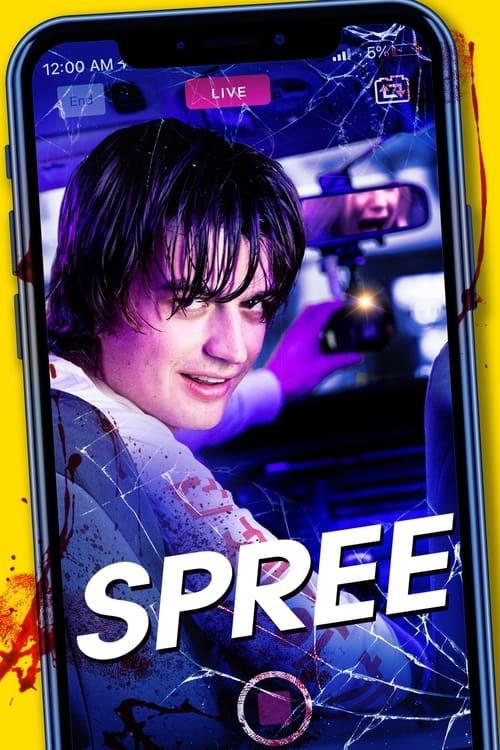
Spree
Shot almost entirely through windshield GoPros and phone rigs, this is modern broadcast sickness distilled into pure visual migraine. Joe Keery’s neon-drenched rideshare car serves as a rolling slaughterhouse, with real-time stream comments constantly cluttering the screen like digital vomit. The harsh digital wide-angles make his thirst for clout look profoundly embarrassing and terrifying at the same time. It moves at hyper-speed, completely ditching traditional framing to trap you inside an endless, soulless algorithm-driven livestream stunt.
0 / 9