#1

Reanimal
Tarsier deployed Reanimal in February 2026, shifting their portfolio into dedicated co-op adventure. Running a two-player balance sheet changes the math. You and a partner manage navigation across land and boat routes, scavenging survival margins while tracking down missing friends across an island sector. Two inputs double the execution risk, especially during high-threat evasions where split-second desyncs tank a run. It is pure coordinated risk management, punishing inefficient communication and rewarding tight, synchronized routing.
2 critics · 2 lists →
Play onGOG
Buy the game
on Amazon · affiliate
#2
Little Nightmares II
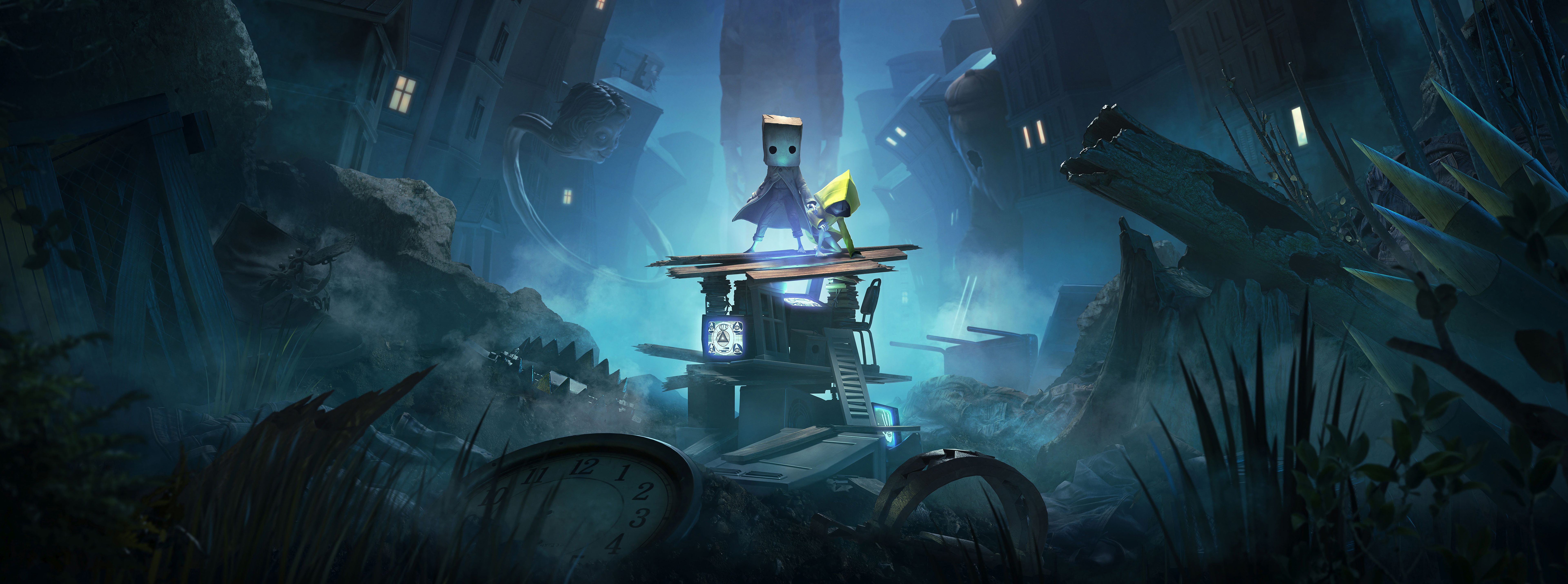
This 2021 release optimized the platforming flow by adding combat mechanics that actually demand precision frames. Mono swinging an axe carries real wind-up latency, so missing a strike punishes your tempo immediately. Six functions as an algorithmic assist, opening doors and boosting jumps without dragging down your speedrun pacing. The asset design in the Pale City offers high visual return on your investment, keeping puzzle resets low while forcing strict attention to spatial patrol patterns.
Buy the game
on Amazon · affiliate
#3

Bramble: The Mountain King
Bramble pays out massive returns if you evaluate games by visual liquidity and set-piece turnover. Released in 2023, it strips out mechanical bloat in favor of tight Nordic folklore encounters. You pilot Olle through high-variance boss fights that function like sudden market corrections: one positioning error against the Näcken and your run zeroes out. The spark mechanic keeps inputs basic, but the sheer pace of encounters ensures your time investment translates directly into constant forward progression.
Buy the game
on Amazon · affiliate
#4
Limbo
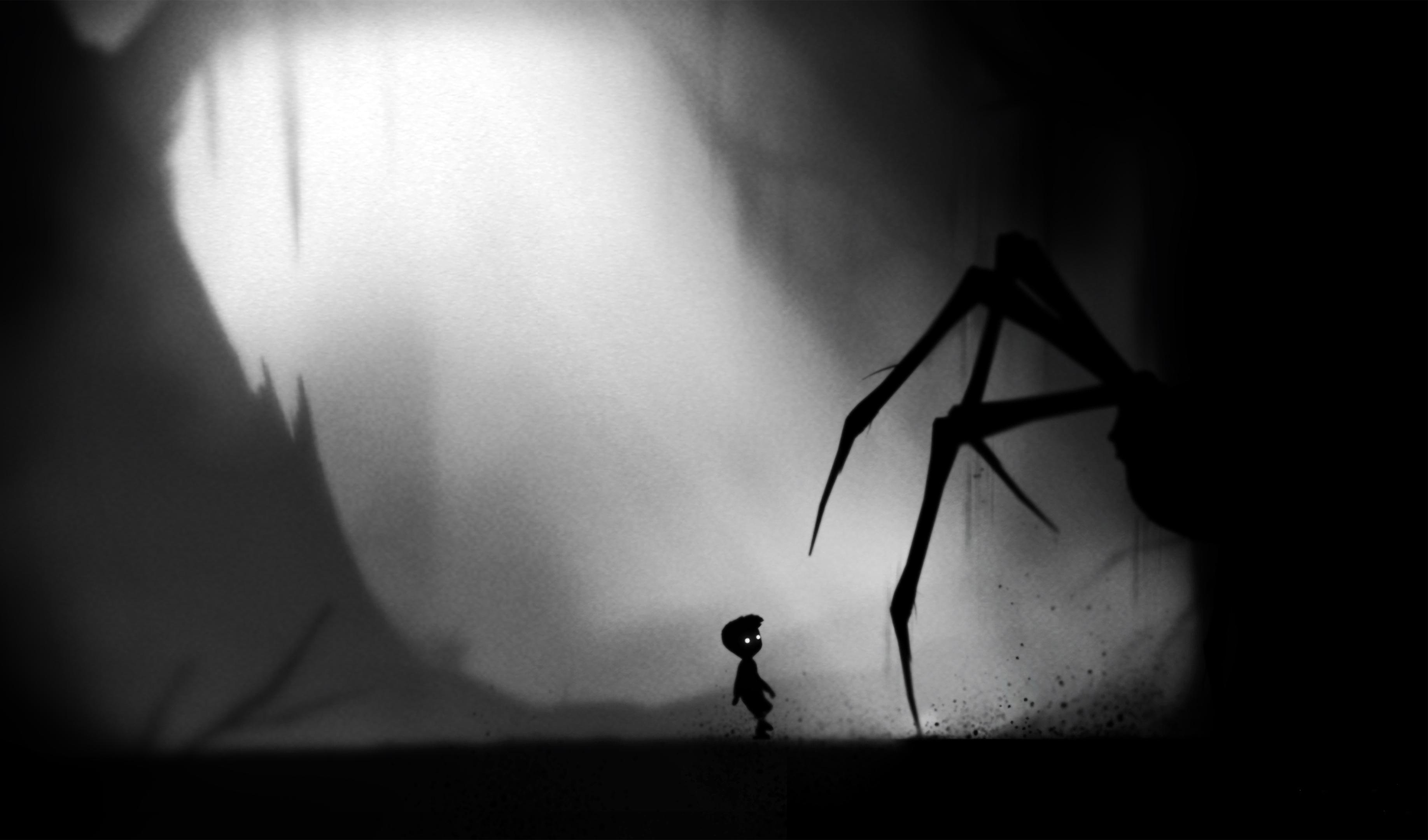
The 2010 Playdead original remains the gold standard index for minimalist puzzle execution. Zero tutorials, zero interface overhead, pure binary feedback loops. You move right, test environmental hitboxes, and absorb immediate liquidation upon failure. Its trial-and-error mechanics minimize wasted animation cycles, letting you iterate puzzle solutions instantly. That monochromatic aesthetic cuts rendering noise down to zero, leaving pure structural mechanics. Modern platformers still trade at a discount compared to this level of ruthless production efficiency.
Buy the game
on Amazon · affiliate
#5

White Shadows
White Shadows dropped in 2021 with extreme tonal contrast and verticality. Controlling Ravengirl through a dystopian megastructure requires parsing heavy visual compression, but the physics engine handles inputs cleanly. The puzzle design runs lean, prioritizing industrial timing puzzles over brain-draining logic gates. While its short runtime might look like low volume to casual buyers, the throughput of unique set pieces per minute yields high dividends. It delivers high-density atmosphere without padding out the runtime with filler.
Buy the game
on Amazon · affiliate
#6

DARQ
DARQ entered circulation in 2019 offering mechanical arbitrage across 3D planes. Lloyd’s lucid dreaming mechanic lets you walk on walls and rotate entire rooms, converting standard 2.5D corridors into multidimensional balance sheets. Stealth sections force patient inventory indexing rather than twitch reflexes. The developer kept scope tight, so you never waste cycles on filler traversal. And every puzzle room resolves cleanly once you map the rotational logic, giving you exceptional progression velocity for your hours spent.
Buy the game
on Amazon · affiliate
#7

Stela
SkyBox Labs brought Stela to market in 2019 as a stripped-down cinematic exercise in capital conservation. Inputs are simple: run, jump, pull levers. What drives the valuation is the pacing curve through a dying world. Boss chases hit peak velocity without tripping over cumbersome fail states, keeping your momentum unhindered. It hedges against player fatigue by wrapping up its full asset cycle in under three hours. That clean, low-drag execution makes it a high-yield single-session play.
Buy the game
on Amazon · affiliate
#8

Among the Sleep
The 2014 Krillbite release alters movement ergonomics by putting you in control of a toddler. Crawling is your high-speed travel option, while walking introduces unstable physics and sway. That deliberate mechanical friction recalculates how you navigate hostile domestic environments. Your teddy bear acts as an active resource for mobile lighting, forcing inventory management under psychological pressure. It remains an efficient study in asymmetric character limitations, turning basic physical navigation into high-stakes risk management without bloated combat systems.
Buy the game
on Amazon · affiliate
#9

A Plague Tale: Innocence
Asobo Studio brought serious mid-budget production value to the market in 2019. Controlling Amicia means managing crafting alchemy, slingshot trajectories, and escort positioning with Hugo. The rat swarms operate on clear binary light rules: torchlight equals security, shadow triggers terminal loss. Crafting ignition ammunition requires disciplined resource allocation, so squandering sulfur or saltpeter leaves you bankrupt in critical skirmishes. It demands systematic stealth routing and rewards players who exploit enemy pathing with cold, calculated timing.
Buy the game
on Amazon · affiliate
0 / 9