
#1
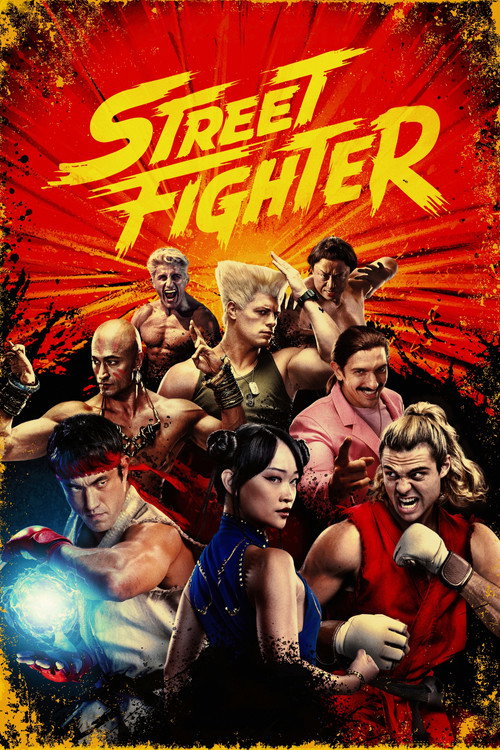
Street Fighter
Setting this narrative squarely in 1993 anchors the timeline right around the Super Street Fighter II era, which fundamentally rewires early canon. Having Chun-Li recruit an estranged Ryu and Ken frames the World Warrior Tournament around their splintered brotherhood rather than typical bracket progression. The underlying conspiracy forces a dramatic schism, shifting their iconic sparring rivalry into an ideological collision. Locking down this specific historical window gives the franchise a definitive chronological anchor fans have debated for decades.
#2
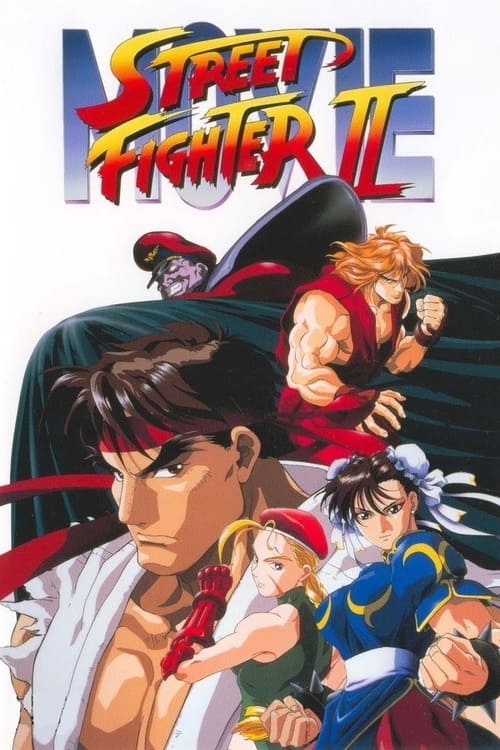
Street Fighter II: The Animated Movie
Look at the monitor readouts in Bison’s command craft; Shadaloo's telemetry directly establishes power-scaling metrics that Capcom later formalized in the Alpha series. Director Gisaburo Sugii understood spatial storytelling in tournament combat. Chun-Li versus Vega in that claustrophobic apartment tracks Vega’s psychopathic vanity systematically dismantling Chun-Li’s disciplined Interpol training. Ryu scarring Sagat's chest gets its definitive canonical visual here, forever linking the Metsu Shoryuken to Ryu’s internal struggle with the killing intent.
#3
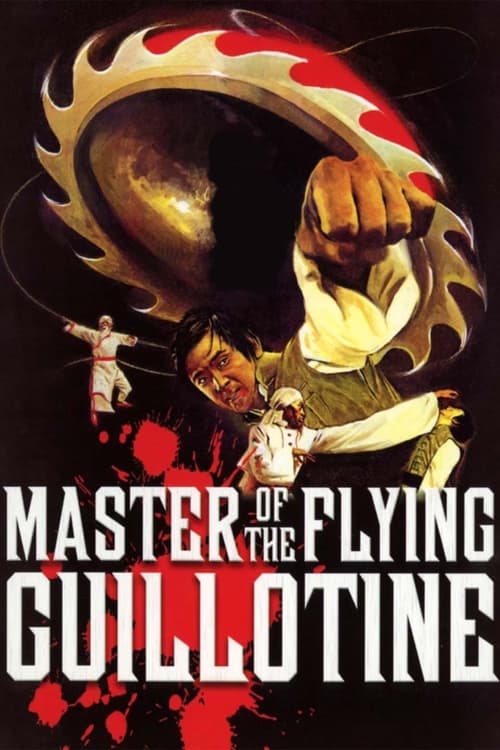
Master of the Flying Guillotine
This is the genetic blueprint for modern fighting game rosters. The One-Armed Boxer tournament introduces combatants with asymmetrical, game-like gimmicks: an Indian ascetic who stretches his limbs like Dhalsim, an agile Muay Thai boxer, and a blind assassin wielding a decapitation device. Watch the arena boundaries carefully. Wang Yu maps out environmental hazards and counter-zoning techniques that predated arcade mechanics by fifteen years. The krautrock soundtrack emphasizes the calculated, hypnotic rhythm of counter-attacks.
#4
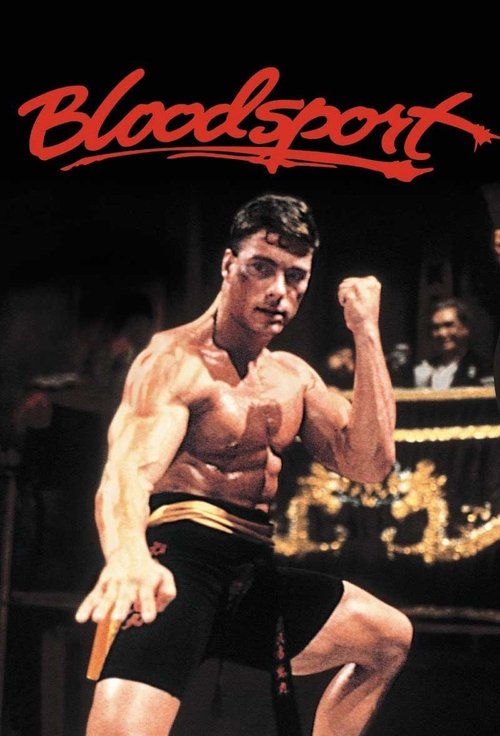
Bloodsport
Before Capcom finalized the World Warrior format, Jean-Claude Van Damme gave us the ultimate underground bracket study. The Kumite functions on rigid martial classification: Senzo Tanaka’s ninjutsu versus Chong Li’s ruthless, theatrical brute force. Notice how the blindfold tea-pouring scene directly forecasts the sensory deprivation climax against powdered lime. Every fight in Kowloon demonstrates style-versus-style matchups, solidifying archetypes that dominated nineties combat design. Frank Dux’s dim mak demonstration remains canonical proof of ki manipulation.
#5
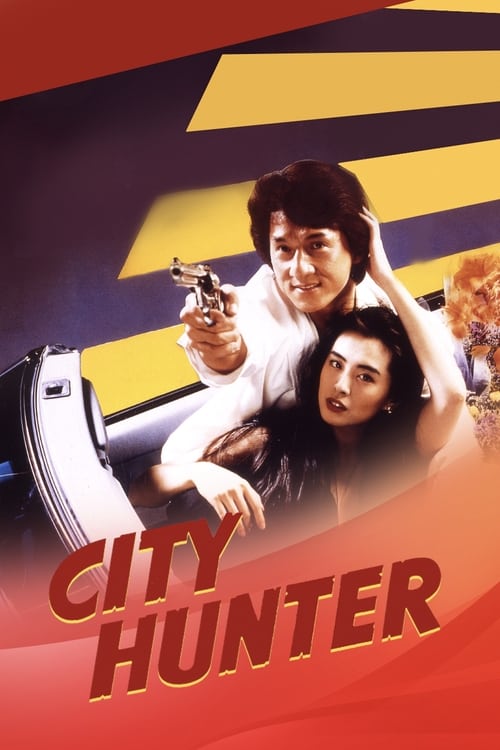
City Hunter
Purists dismiss the cruise ship arcade sequence as slapstick, but it is an astonishingly faithful visual translation of Street Fighter hitboxes. When Jackie Chan gets thrown into that arcade cabinet, Wong Jing stages a live-action transition where characters execute frame-accurate special moves. Gary Daniels makes an eerily accurate Ken Masters, executing hurricane kicks against Jackie’s fully costumed Chun-Li. It captures the frantic spacing, recovery frames, and sound design of competitive nineties gaming.
#6
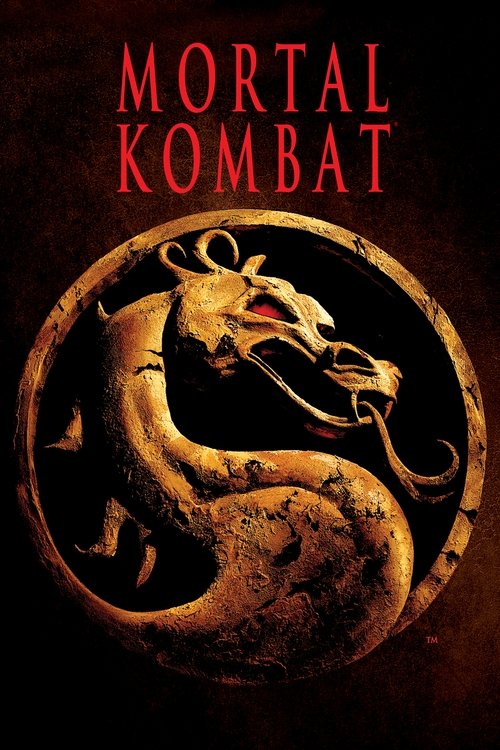
Mortal Kombat
Paul W.S. Anderson actually respected tournament bylaws more than most directors ever manage. The ten-generation victory condition dictated by the Elder Gods provides structural stakes that anchor every bout. Look at how Johnny Cage versus Scorpion shifts dimensions from the ceremonial grounds into the Netherrealm; the choreography highlights environmental awareness and character inventory utilization. Even Liu Kang’s journey mirrors classical monomyth beats, with Shang Tsung manipulating souls to bypass ancient tournament bylaws.
#7
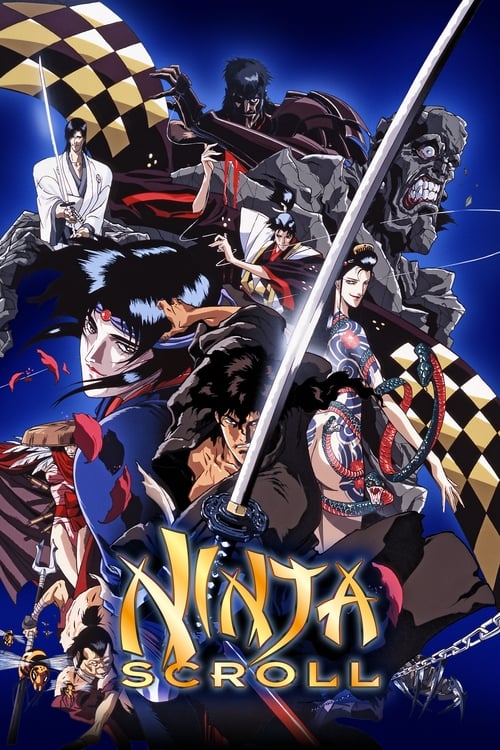
Ninja Scroll
Yoshiaki Kawajiri basically constructed the ultimate boss-rush tournament film disguised as feudal horror. The Eight Devils of Kimon function precisely like a roster of character-select antagonists, each possessing an absolute elemental gimmick or physiological anomaly. Watch Jubei study Tessai's stone skin; he wins through tactical vulnerability mapping, exploiting visual blind spots rather than brute power. The climax aboard the burning gold ship tests immortal regeneration physics against molten metal, delivering a brutal lesson in combat geography.
#8
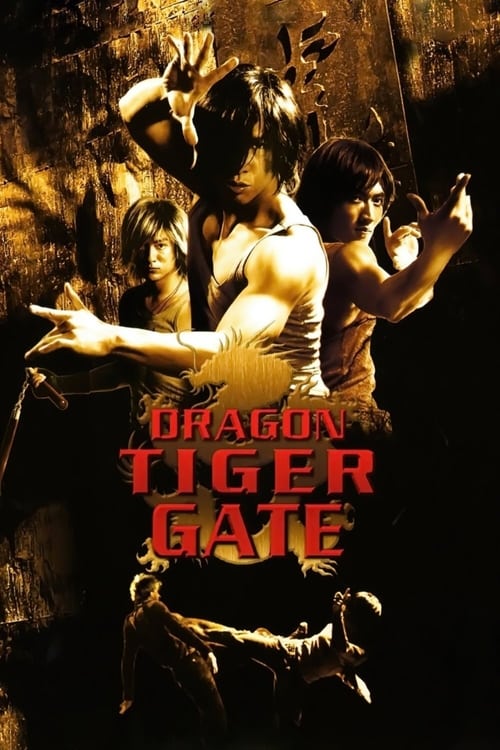
Dragon Tiger Gate
Wilson Yip turned Tony Wong’s long-running manhua into a kinetic clinic on fighting game supers. Donnie Yen maps out distinct physical languages for each brother: Dragon’s palm strikes focus on internal force disruption, while Tiger's aerial kicks mirror 2D command inputs. The restaurant brawl demonstrates zone control against mob swarms before the final clash with Shibumi demands tag-team coordination. Those oversized weapons and stylized impact frames encode power scaling straight out of comic continuity.
#9
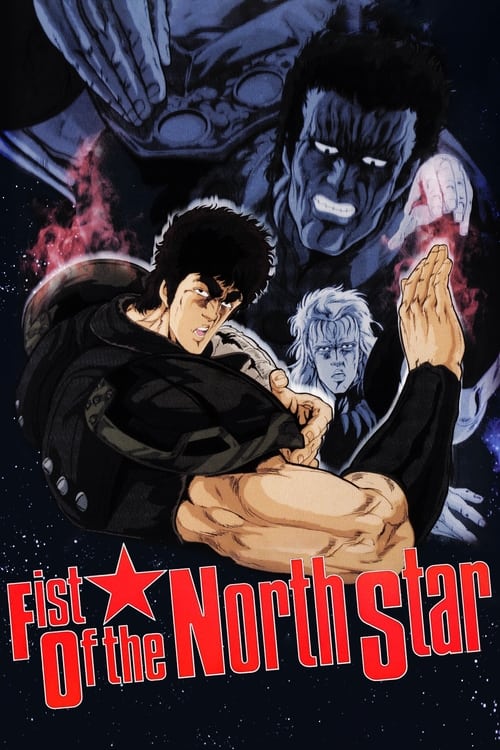
Fist of the North Star
Hokuto Shinken represents the absolute pinnacle of martial art power hierarchies, and this 1986 animated feature strips away filler to obsess over succession rights. The philosophical contrast between Kenshiro's internal channel destruction and Shin’s external slicing Nanto style establishes rival martial dynamics. Toyoo Ashida emphasizes pressure-point mechanics with anatomic precision, showing delayed kinetic effects after strikes connect. Raoh standing as the apocalyptic gatekeeper sets the archetype for unyielding, boss-tier warlords in fighting fiction.
0 / 9