

1 / 7

1. Hérésie
This raw, visceral live document, likely Bérurier Noir's 1985 recording, is a masterclass in controlled chaos from the French punk scene. With rudimentary drum machines and searing guitars, it crafted an industrial-tinged hardcore sound that was both primal and politically charged. It’s less about melodic finesse and more about rhythmic intensity and pure, unadulterated energy, a genuine artifact from the post-hardcore frontier.
2 / 7
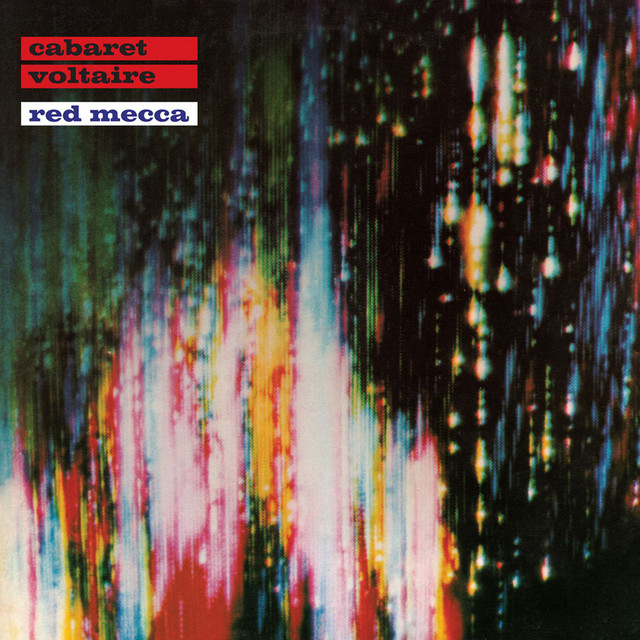
2. Red Mecca
The Legendary Pink Dots' 1981 LP plunges into unsettling soundscapes where industrial textures meet psychedelic dread. Edward Ka-Spel's fractured narratives float over sparse, yet intricate, arrangements of synths, tapes, and acoustic instruments. It’s a chilling precursor to darkwave, an esoteric art-rock statement that feels both ancient and disturbingly prescient, utterly singular in its analog melancholia.
3 / 7
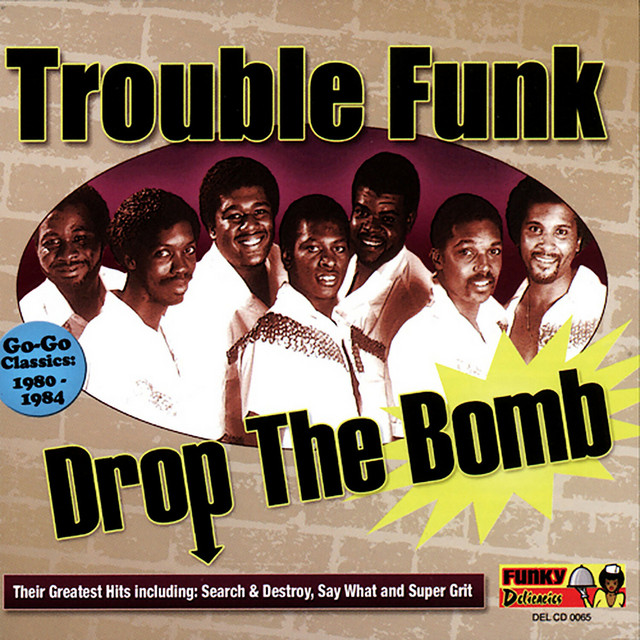
3. Drop the Bomb
Trouble Funk's 1982 album is pure, unadulterated kinetic energy. They laid down the blueprint for go-go with relentless, interlocking drum patterns and a call-and-response swagger that just wouldn't quit. It’s the sound of the party, a rhythmic locomotive of funk, boogie, and nascent hip-hop breaks, captured live and direct, before digital precision smoothed out all the grit. Pure analog groove science.
4 / 7
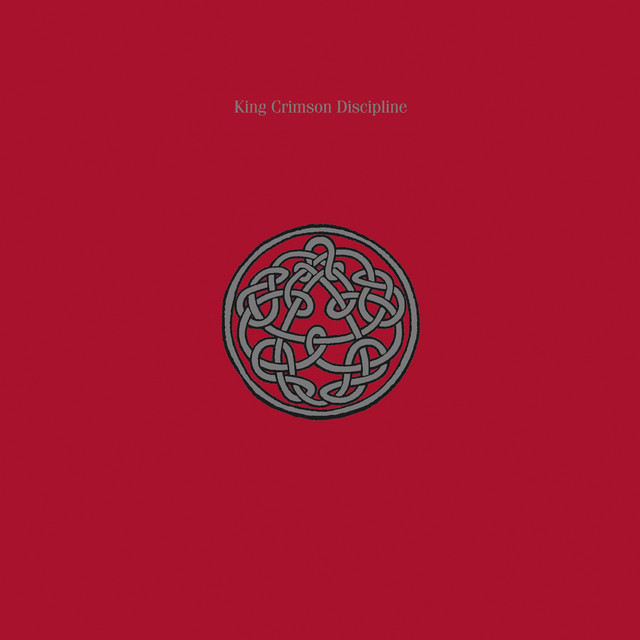
4. Discipline
King Crimson's 1981 reinvention saw Fripp and Belew's interweaving guitar tapestries, bolstered by Levin's Chapman Stick and Bruford's polyrhythmic precision, redefine art-rock. This wasn't the bombast of old prog; it was lean, angular, and deeply mathematical, yet still possessed an undeniable groove. A masterclass in rhythmic complexity and textural innovation, pushing the boundaries of what a rock band could achieve.
5 / 7
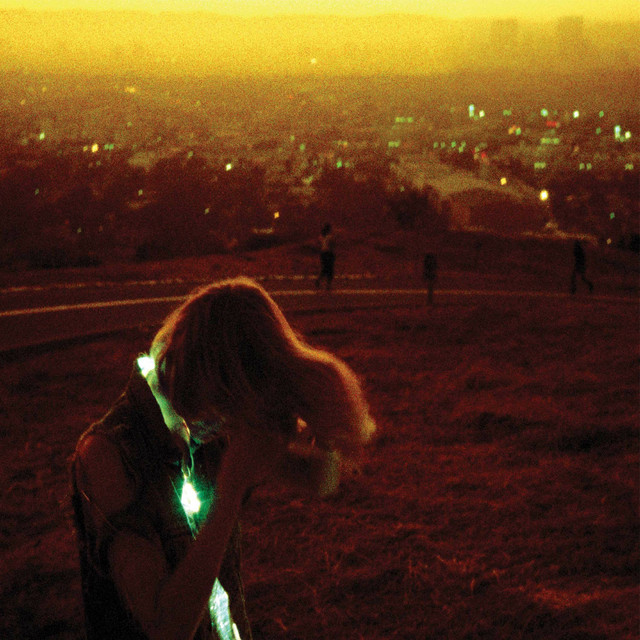
5. Era Extraña
Embodying a 'strange era' in the early 80s, Kas Product's 'Try Out' (1982) is a defining coldwave statement. This French duo delivered bleak, minimalist synth-punk that felt like a transmission from a dystopian future. Mona Soyoc's commanding vocals cut through icy synth lines and raw, mechanistic rhythms, crafting an atmosphere of alienated cool. It’s stark, stylish, and deeply melancholic—a perfect analog snapshot.
6 / 7
6. Amnesia
Klaus Schulze, under his Richard Wahnfried alias, crafted a sprawling, hypnotic landscape of ambient electronics with this 1981 album. It’s a deep dive into pulsating sequencers and sustained synth chords, a cosmic journey meticulously assembled on analog tape. Less about conventional melodies and more about atmosphere and texture, it’s a foundational work for ambient schools that still envelops the listener completely, drawing you into its vast sonic expanse.
7 / 7
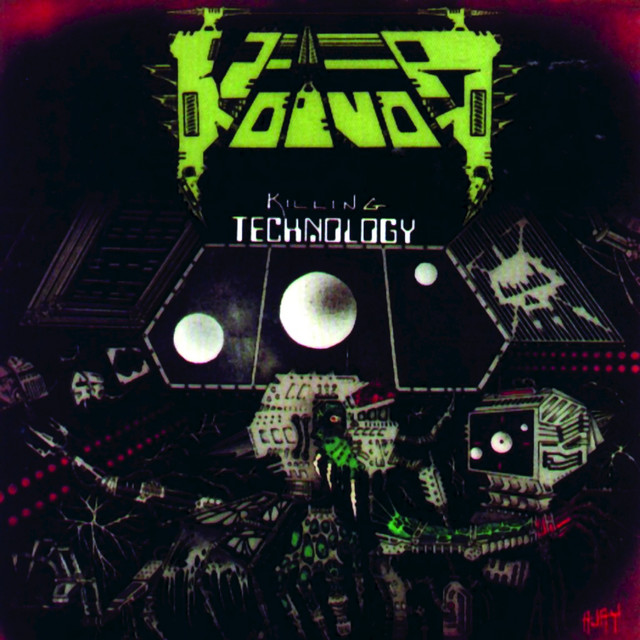
7. Killing Technology
Voivod's 1987 release fused thrash metal's aggression with truly progressive, almost avant-garde structures. This record was a jarring, angular assault, propelled by Piggy's dissonant, jazz-inflected riffs and Away's intricate drumming. It sounded like machinery malfunctioning in a post-apocalyptic landscape—a truly innovative leap for early metal, pushing technicality and conceptual depth into uncharted, analog territory.