

1 / 8
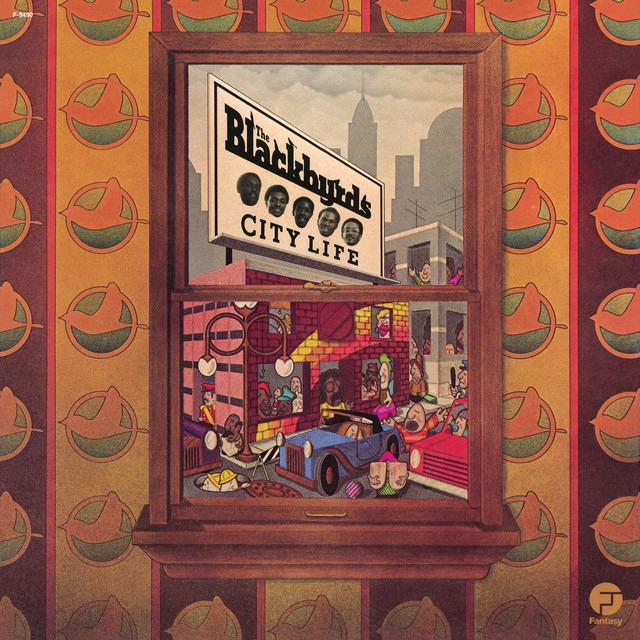
1. City Life
“City Life” effortlessly encapsulates the vibrant pulse of mid-70s urban funk. The Blackbyrds, under Donald Byrd’s tutelage, crafted a sound steeped in crisp, analog warmth. Its grooves are a masterclass in tight rhythmic interplay, where each instrument, from the brass section to the Fender Rhodes, breathes with organic clarity. This isn't just background music; it is a meticulously engineered sonic environment, a pre-digital testament to the art of the ensemble, where every element served the collective, undeniably funky whole.
2 / 8

2. Dub Housing
Pere Ubu’s “Dub Housing” is a masterclass in controlled chaos, a post-punk anomaly from 1978. Its production eschews polish for raw, spatial dynamics, letting instruments clang and echo with unsettling precision. David Thomas’s vocals, often an unnerving squawk, float atop a bed of jagged guitar lines and disorienting synth textures. It's an art-rock statement where the studio itself becomes an instrument, manipulating tape delays and room acoustics to forge a sonic landscape that remains defiantly unique, utterly pre-digital in its construction.
3 / 8
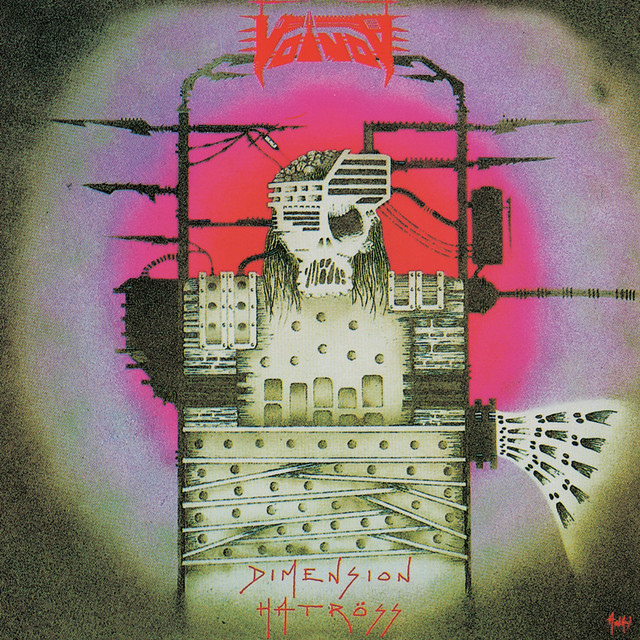
3. Dimension Hatröss
Voivod, by 1988, had evolved beyond mere thrash, and “Dimension Hatröss” stands as a testament to their progressive vision. The album’s intricate riffing and unconventional song structures mapped out a dystopian future long before digital trickery became commonplace. Recorded with a raw, almost claustrophobic intensity, the drums punch with palpable force, and Piggy's guitar work weaves a complex tapestry of dissonance and melody. This is early metal at its most intellectually challenging, a precisely executed, analog-recorded journey into the void.
4 / 8
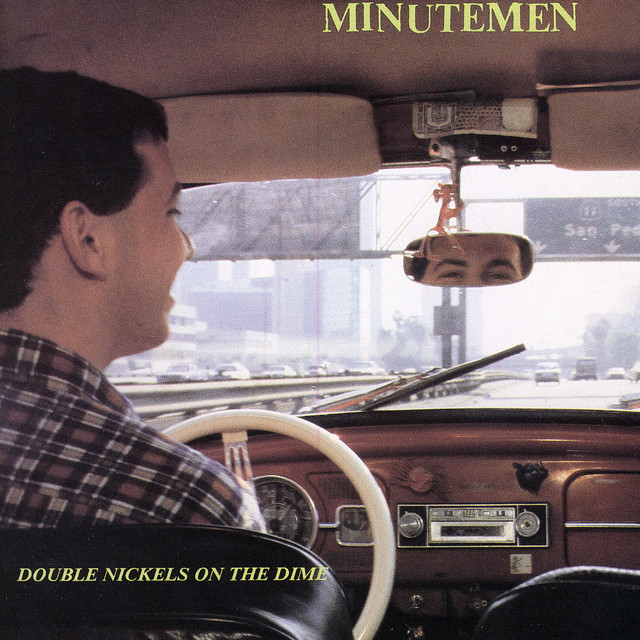
4. Double Nickels on the Dime
Minutemen’s “Double Nickels on the Dime” redefined what punk could be in 1984. Spanning forty-five tracks, it’s a sprawling, D.I.Y. epic, yet each piece is a concise, often brilliant, burst of energy. The production, typical of SST Records, is unvarnished and immediate, capturing the band’s raw, jazz-inflected hardcore with unflinching honesty. D. Boon’s guitar, Watt’s bass, and Hurley’s drums create a dynamic, unpredictable tapestry, proving that musical dexterity and intellectual curiosity could thrive even within punk's primal scream.
5 / 8
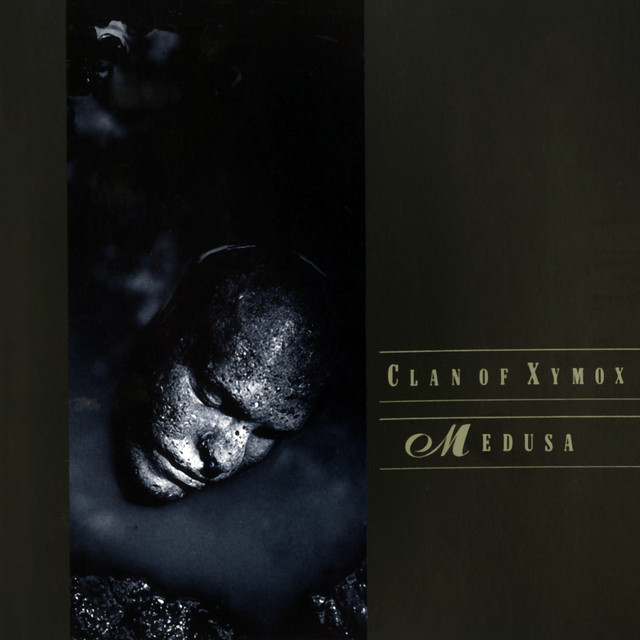
5. Medusa
Before Black Sabbath fully codified heavy metal, there was Trapeze's “Medusa” from 1970. This album is a visceral exploration of blues-rock fused with a nascent, undeniable heaviness. Glenn Hughes’s vocals soar, but it's the sheer power of the riffs and the driving rhythm section that truly impresses. Recorded with a raw, untamed energy in an era of nascent studio technology, it presents a weighty sound that feels utterly organic, a true precursor, delivering a punch that many later, more polished efforts would struggle to match.
6 / 8
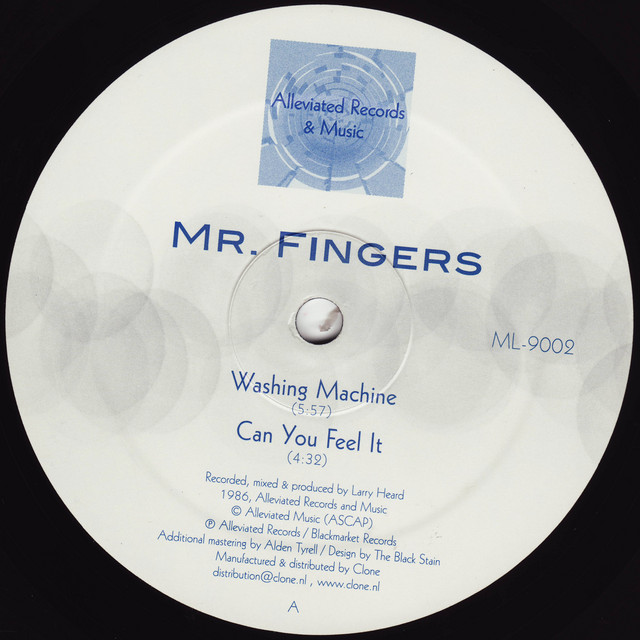
6. Amnesia
“Amnesia” from 1988, by the Belgian outfit of the same name, is a foundational slab of early acid house. This record, conceived entirely within the pre-digital realm of analog synthesizers and drum machines, captured the nascent energy of the burgeoning club scene. Its repetitive, hypnotic rhythms and squelching 303 basslines weren't just dance music; they were a sonic experiment in communal trance. The raw, unfiltered electronic textures here speak volumes about a time when innovation meant wrestling sound out of hardware, not software.
7 / 8
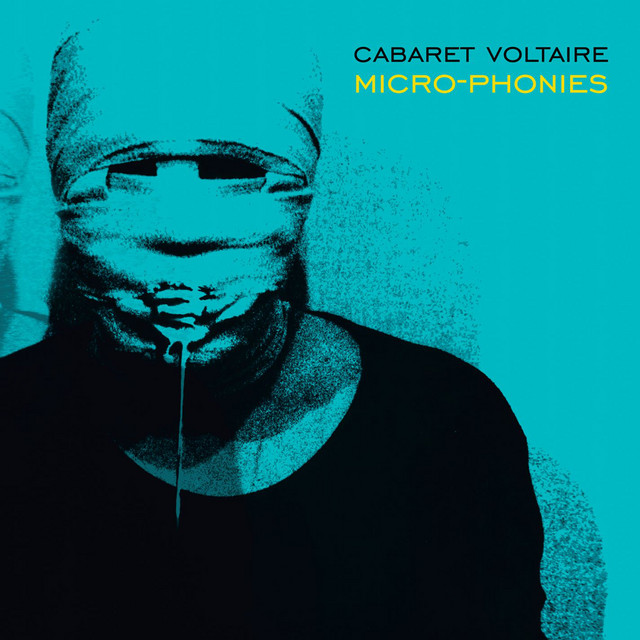
7. Micro-Phonies (Remastered Version)
Cabaret Voltaire’s “Micro-Phonies” from 1984 stands as a cold, calculating landmark in industrial and electronic body music. The album eschewed traditional instrumentation for a stark landscape of machine rhythms, sampled voices, and icy, synthesized textures. Its production, firmly rooted in the analog studio, felt brutally precise, a metallic clang and hum that was both danceable and deeply unsettling. This was not music for the mainstream; it was a sonic dissection, a dark, rhythmic pulse for the nascent electronic underground, utterly vital in its pre-digital construction.
8 / 8
8. The Album
Public Image Ltd.'s 1986 opus, simply titled “Album,” is a thunderous statement of intent. Lydon, backed by session heavyweights, crafted a sound that was both commercially potent and artistically uncompromising. The production is huge, yet retains a raw, impactful edge, thanks to a pre-digital studio approach emphasizing powerful drums and a dense wall of guitars. It’s an art-rock behemoth, balancing angularity with a surprising accessibility, proving that post-punk's experimental spirit could translate into stadium-sized anthems without sacrificing its challenging core.