1 / 8
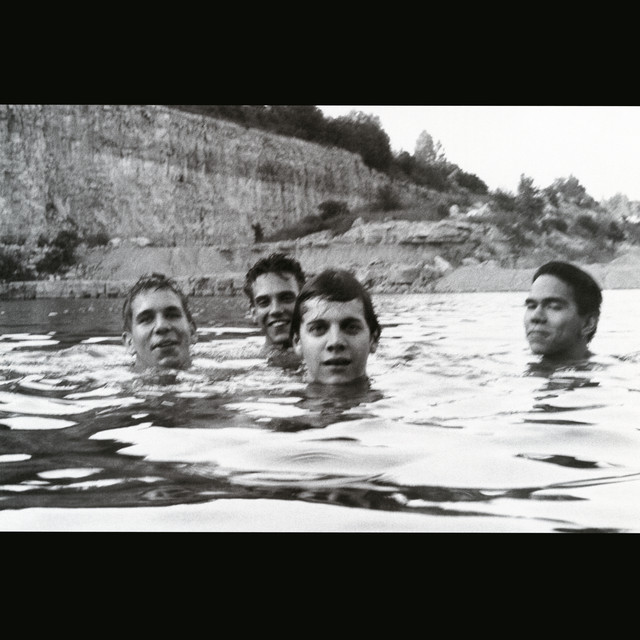
1. Spiderland
Slint's "Spiderland" hit in '91, a stark, almost architectural sound that felt like it was building a new language for guitars. Its intricate, almost mathematical precision, coupled with those hushed, unsettling vocals, was a revelation. This wasn't grunge; it was something else entirely – a blueprint for post-rock, designed for solitary, deep listening, perfect for those early internet-era nights spent dissecting every nuance, feeling the weight of quiet.
2 / 8

2. 76:14
Global Communication's "76:14" from '94 was more than just ambient techno; it was a digital ocean, vast and shimmering. Its expansive soundscapes felt like the perfect sonic companion to dial-up modems and nascent online explorations. This was music that built entire worlds from subtle shifts and hypnotic pulses, proving that electronic compositions could evoke profound emotional journeys without a single lyric. It was the soundtrack to dreaming in cyberspace.
3 / 8
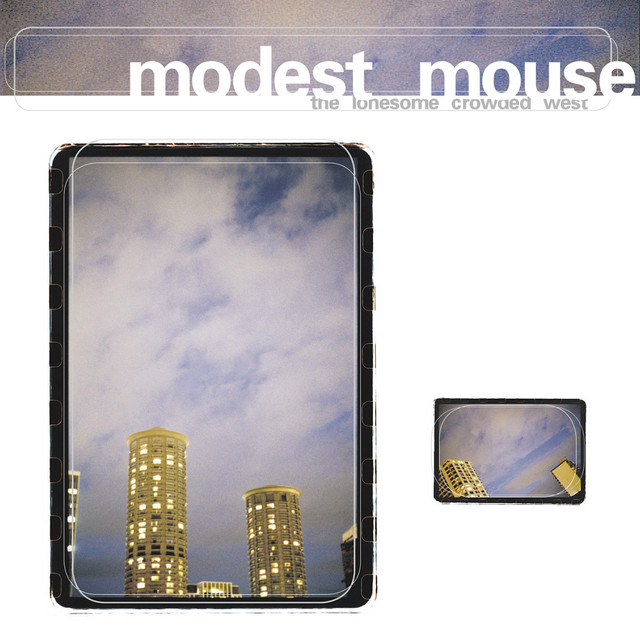
3. The Lonesome Crowded West
Modest Mouse captured a specific kind of American angst and wanderlust in "The Lonesome Crowded West" from '97. Isaac Brock's voice, raspy and disillusioned, perfectly mirrored the unease of a generation watching the world globalize, losing its local quirks. It felt like a frantic, desperate road trip through a changing landscape, soundtracked by angular guitars and raw emotion, a true testament to post-grunge indie.
4 / 8

4. Eternal
Photek’s "Eternal" EP from 1996 was a stark, almost surgical demonstration of drum and bass. It wasn't just about breakneck speed; it was about the intricate, almost metallic dissection of rhythm, layered with deep, often unsettling atmospherics. This was jungle taken to an intellectual, cerebral plane, perfect for late-night absorption, feeling like a digital blueprint for complex sonic architecture. It was sparse, but profoundly impactful, hinting at the depths of IDM to come.
5 / 8
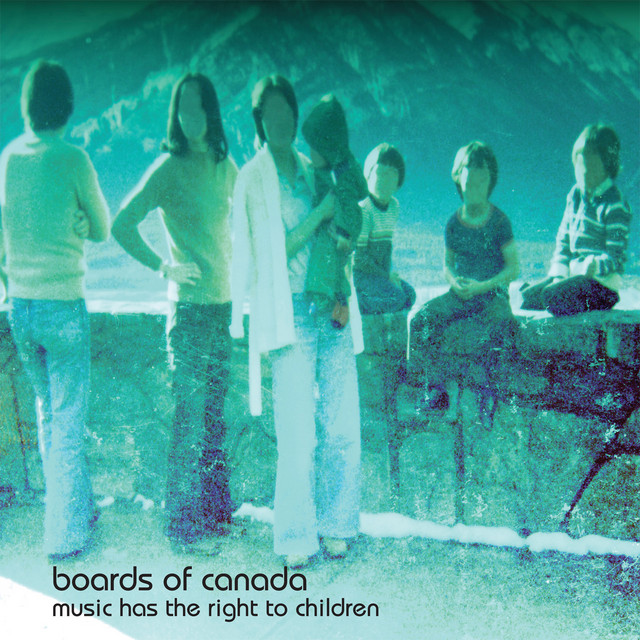
5. Music Has The Right To Children
"Music Has The Right To Children" from '98 felt like stumbling upon a forgotten VHS tape from a childhood that never quite existed. Boards of Canada crafted this hazy, nostalgic electronic sound, full of sampled voices, warped synths, and a pervasive sense of melancholic wonder. It was the sound of digital memory, fragmented and beautiful, perfect for soundtracking the quiet, introspective moments of the late 90s, a truly singular IDM experience.
6 / 8
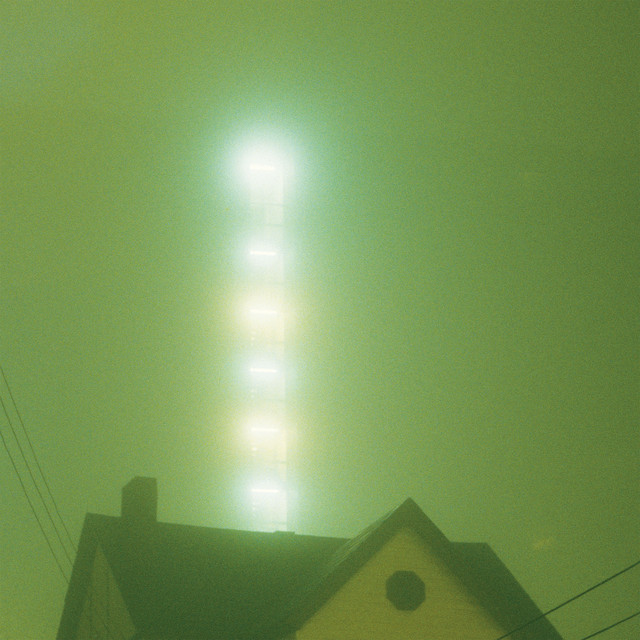
6. What Burns Never Returns
Don Caballero's "What Burns Never Returns" (1998) was a masterclass in instrumental rock, a relentless, intricate machine of guitars and drums. It felt like watching a hyper-technical, almost impossible, digital circuit board in action – all precision, power, and zero wasted motion. This album wasn't about hooks; it was about the sheer, exhilarating force of musicianship pushed to its absolute limits, demanding active, almost analytical listening, a math rock clinic.
7 / 8
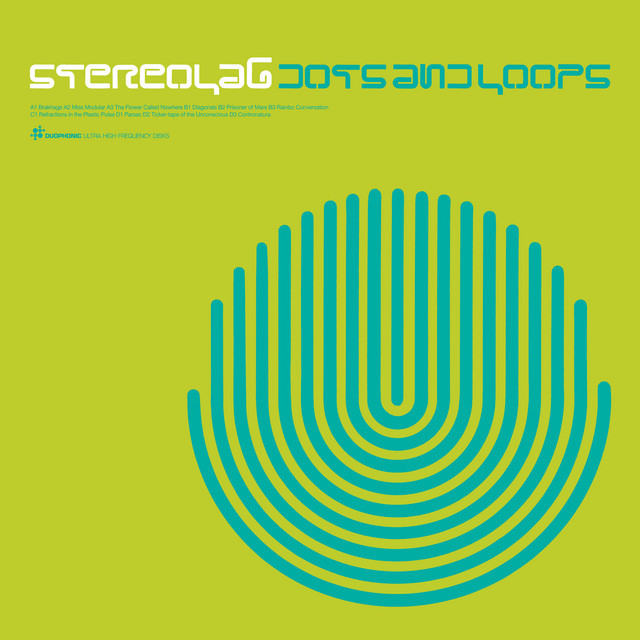
7. Dots And Loops (Expanded Edition)
"Dots And Loops" was Stereolab at their most meticulously crafted in 1997, blending krautrock rhythms, lounge pop sensibilities, and a dash of electronic experimentation. The 'Expanded Edition' just reinforced its intellectual cool, a collection of sophisticated, often witty, sonic puzzles. It felt like the soundtrack to a stylish, slightly detached future, perfectly encapsulating the smart, indie aesthetic of the late 90s, a knowing nod to analog in a digital world.
8 / 8
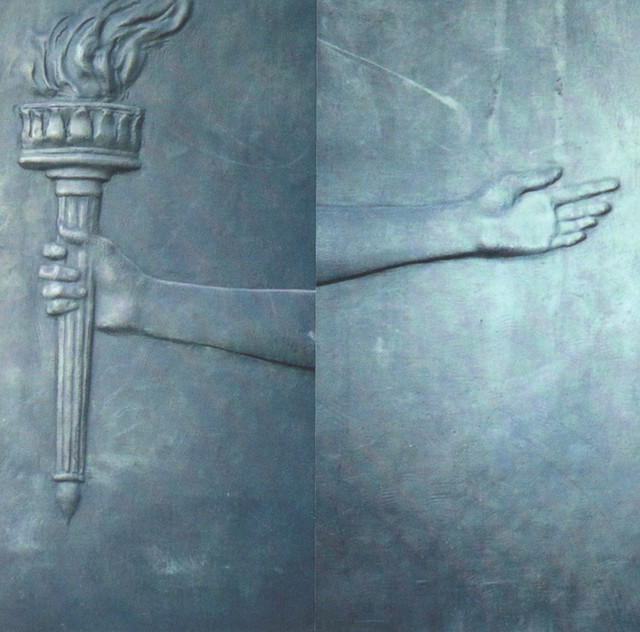
8. The Argument
Fugazi's "The Argument" (2001) was their final statement, a potent blend of their signature intensity and a newfound melodicism. It felt like the perfect coda to an era, maintaining raw power while hinting at a more nuanced future. This was a band refusing to compromise, delivering an album that bristled with integrity and sharp edges, a defiant roar against the encroaching blandness of the new millennium, truly vital post-hardcore.