1 / 7
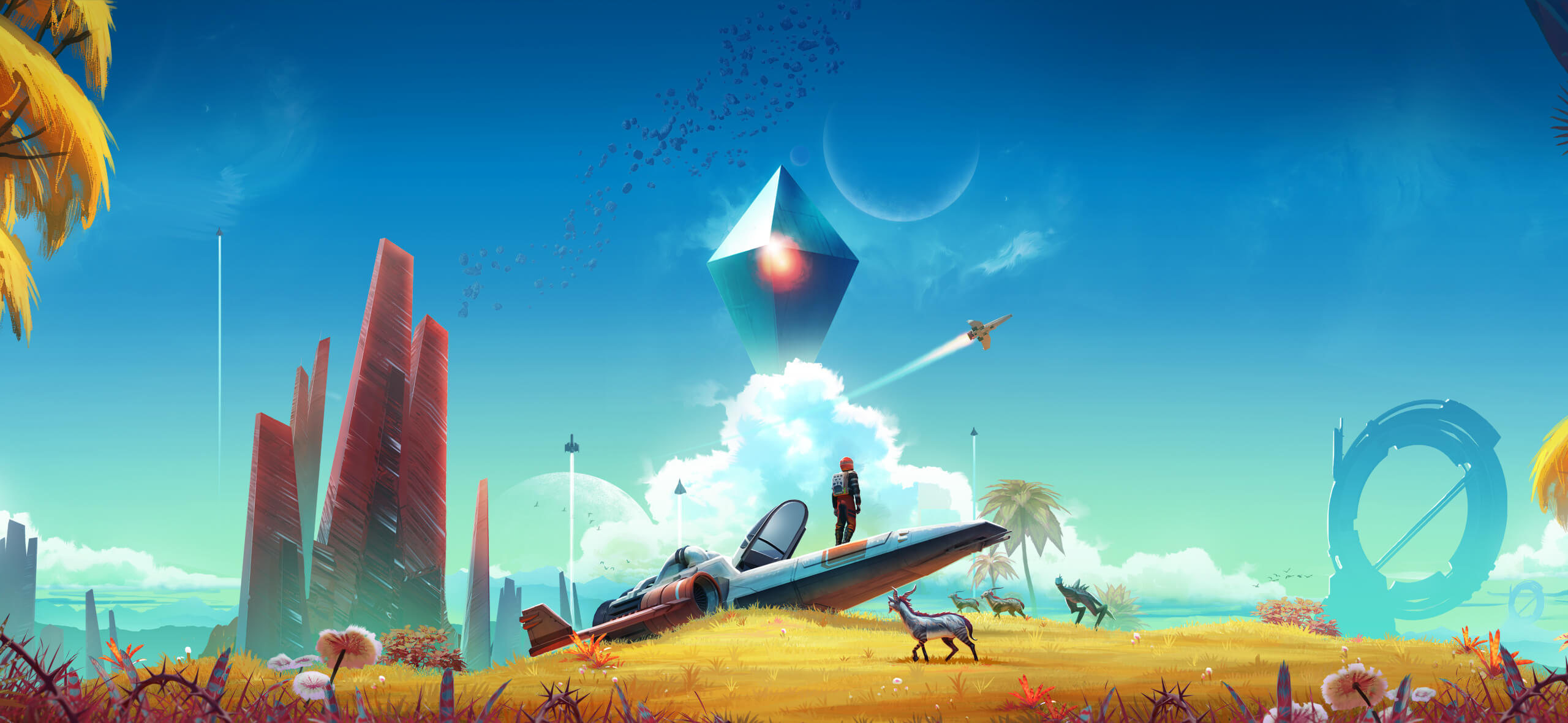
1. No Man's Sky
Man, *No Man's Sky* was the poster child for overhyped, underdelivered launches. It was practically a tech demo when it dropped. But Hello Games, instead of running, just kept pushing out free, substantial updates. We're talking base building, multiplayer, VR, full-blown storylines – they basically rebuilt the game piece by piece. It's now the sprawling, chill space sandbox everyone initially dreamed of, a testament to developer perseverance that most companies wouldn't dare attempt.
2 / 7
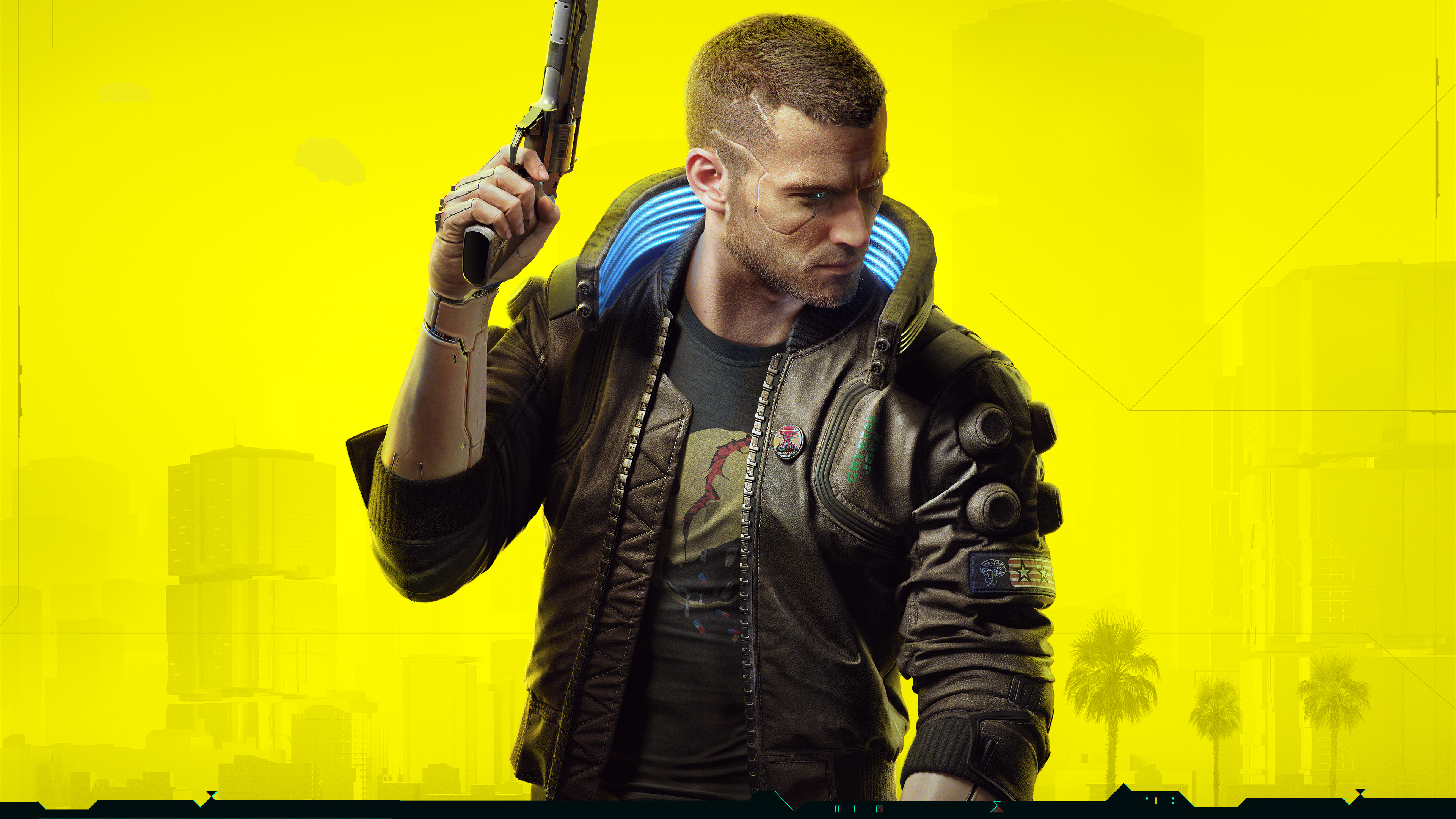
2. Cyberpunk 2077
*Cyberpunk 2077* launched like a car crash, especially on console, becoming a cautionary tale overnight. CD Projekt Red faced deserved backlash but then, slowly, methodically, they turned it around. Patch 2.0 and the *Phantom Liberty* expansion weren't just fixes; they were a systemic overhaul. Night City finally feels like the immersive, gritty RPG experience we were promised, though the initial sting of that disastrous launch still lingers for many.
3 / 7
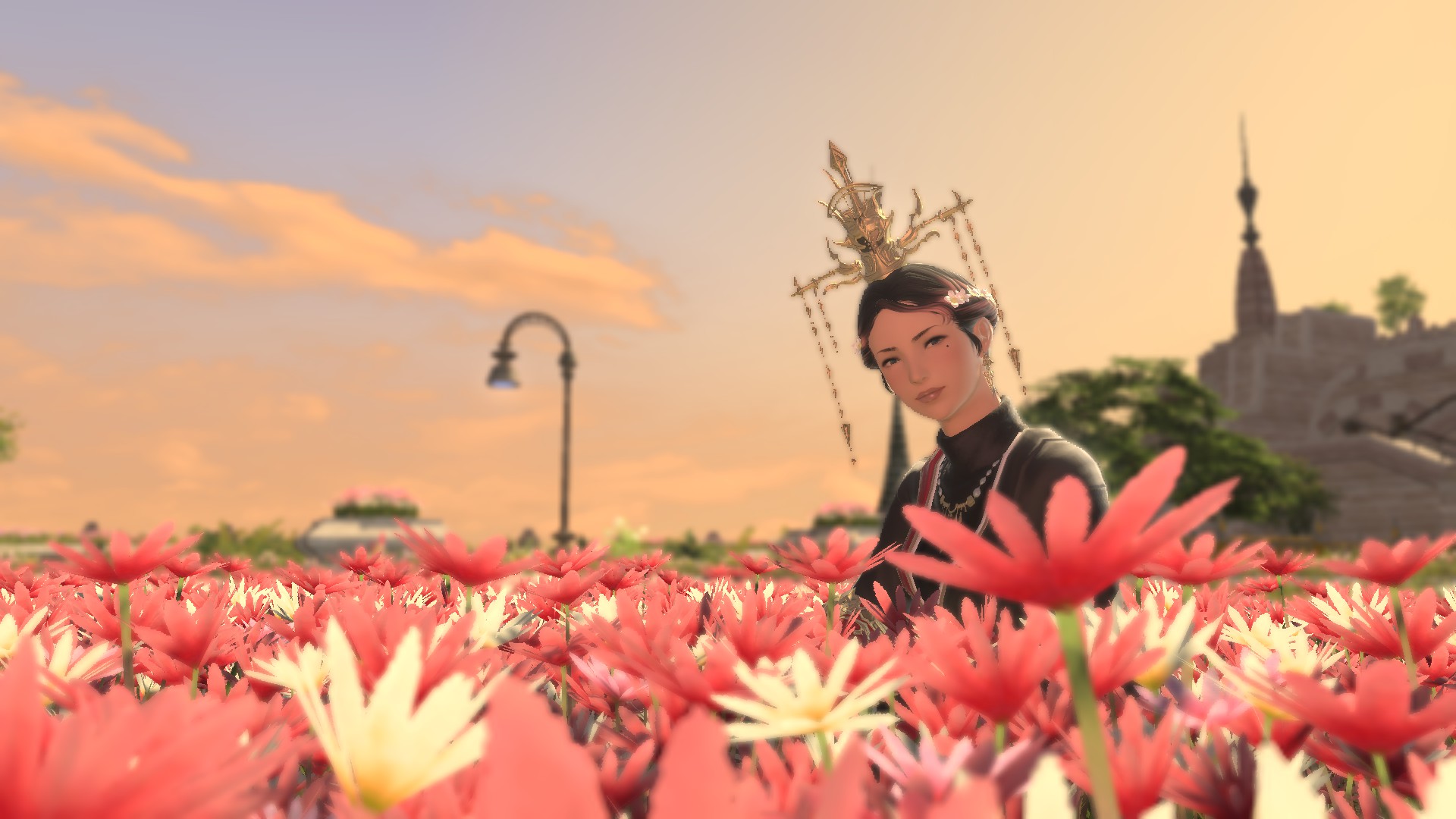
3. Final Fantasy XIV
*Final Fantasy XIV* didn't just get a second chance; it got a whole new *game*. Version 1.0 was so bad Square Enix literally pulled the plug, apologized, and then poured everything into *A Realm Reborn*. It’s an insane story of developer humility and dedication. Now, it's easily one of the best, most story-rich MMOs out there, proving that sometimes, you just need to nuke it from orbit and start fresh to truly succeed.
4 / 7
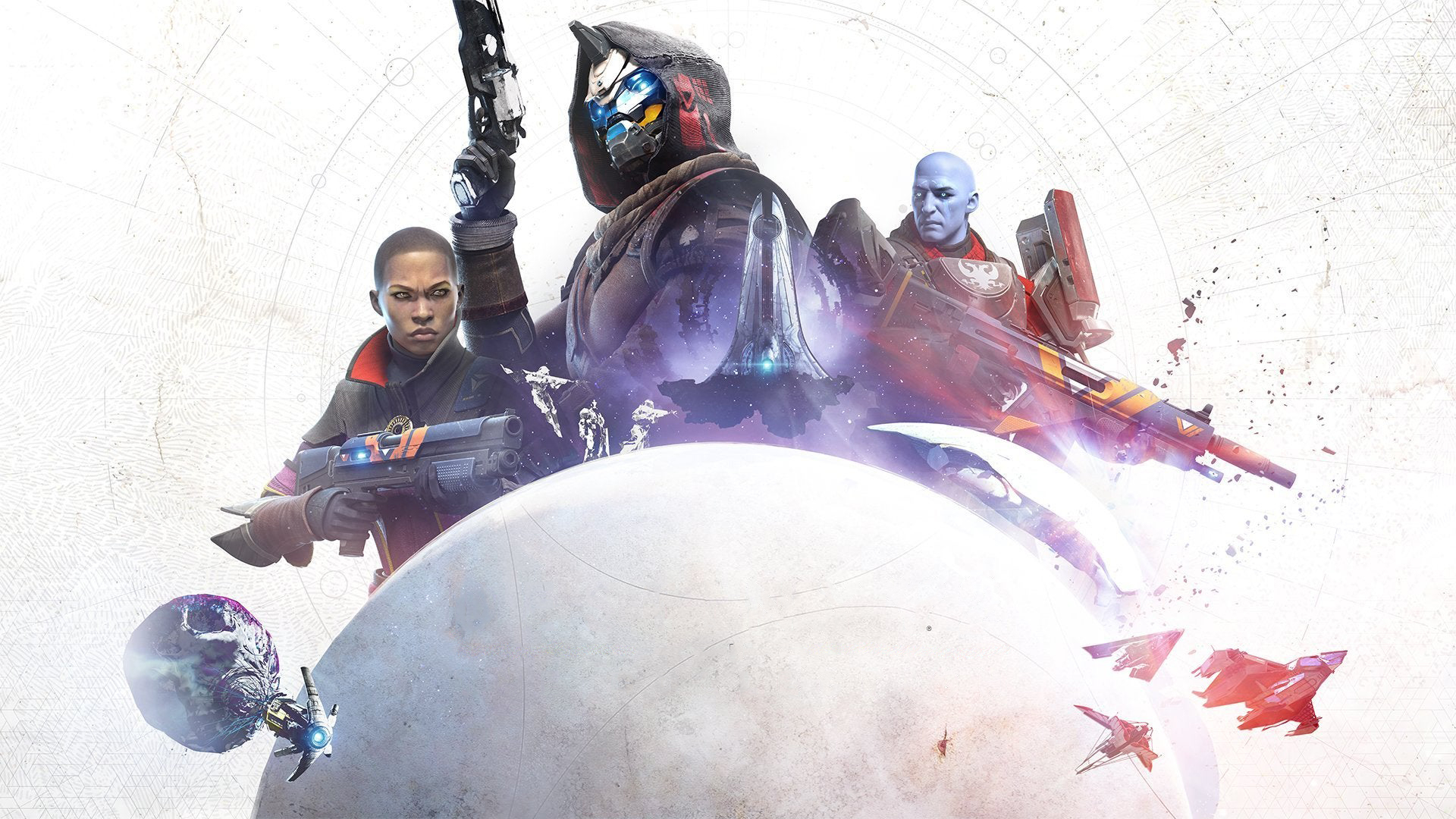
4. Destiny 2
*Destiny 2* started strong but quickly fizzled, becoming a content desert with confusing monetization. It felt like Bungie was trying to reinvent the wheel, badly. But then *Forsaken* dropped, kicking off a redemption arc that's seen the game evolve immensely. While it still has its F2P monetization quirks, the core gameplay loop and narrative have consistently improved, proving that even a live service game can find its footing after a wobbly start.
5 / 7
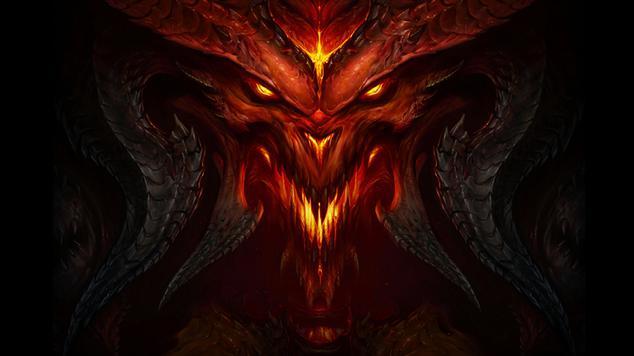
5. Diablo III
Oh, *Diablo III*. The launch was a mess of error codes and that infamous real-money auction house that fundamentally broke the game's economy and loot loop. It was a stark reminder of Blizzard's occasional missteps. But with *Reaper of Souls*, they ripped out the cancerous systems and rebuilt the endgame. Now, it's a slick, satisfying hack-and-slash, even if some purists still pine for *Diablo II*'s grittiness. A solid recovery, showing how crucial developer intervention can be.
6 / 7
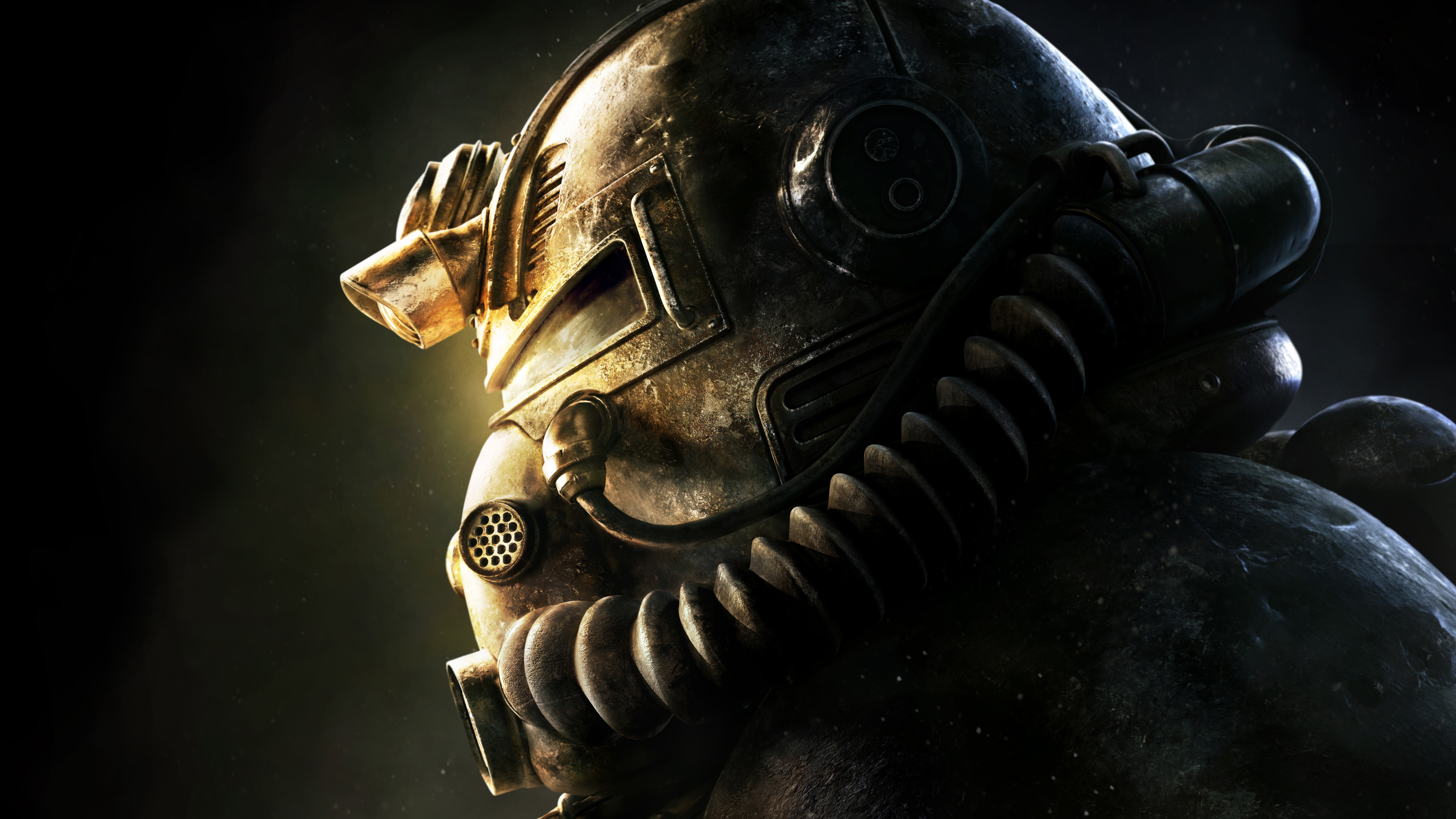
6. Fallout 76
*Fallout 76* was a public relations nightmare, launching as a buggy, empty shell of a *Fallout* game, plagued by shoddy quality and bizarre monetization decisions. It felt like Bethesda was completely out of touch. Yet, through sheer stubbornness and a string of significant updates like *Wastelanders*, they slowly patched it into something genuinely enjoyable. It’s still got its quirks, but it proved that even a game buried under mountains of negative press can eventually find its audience.
7 / 7
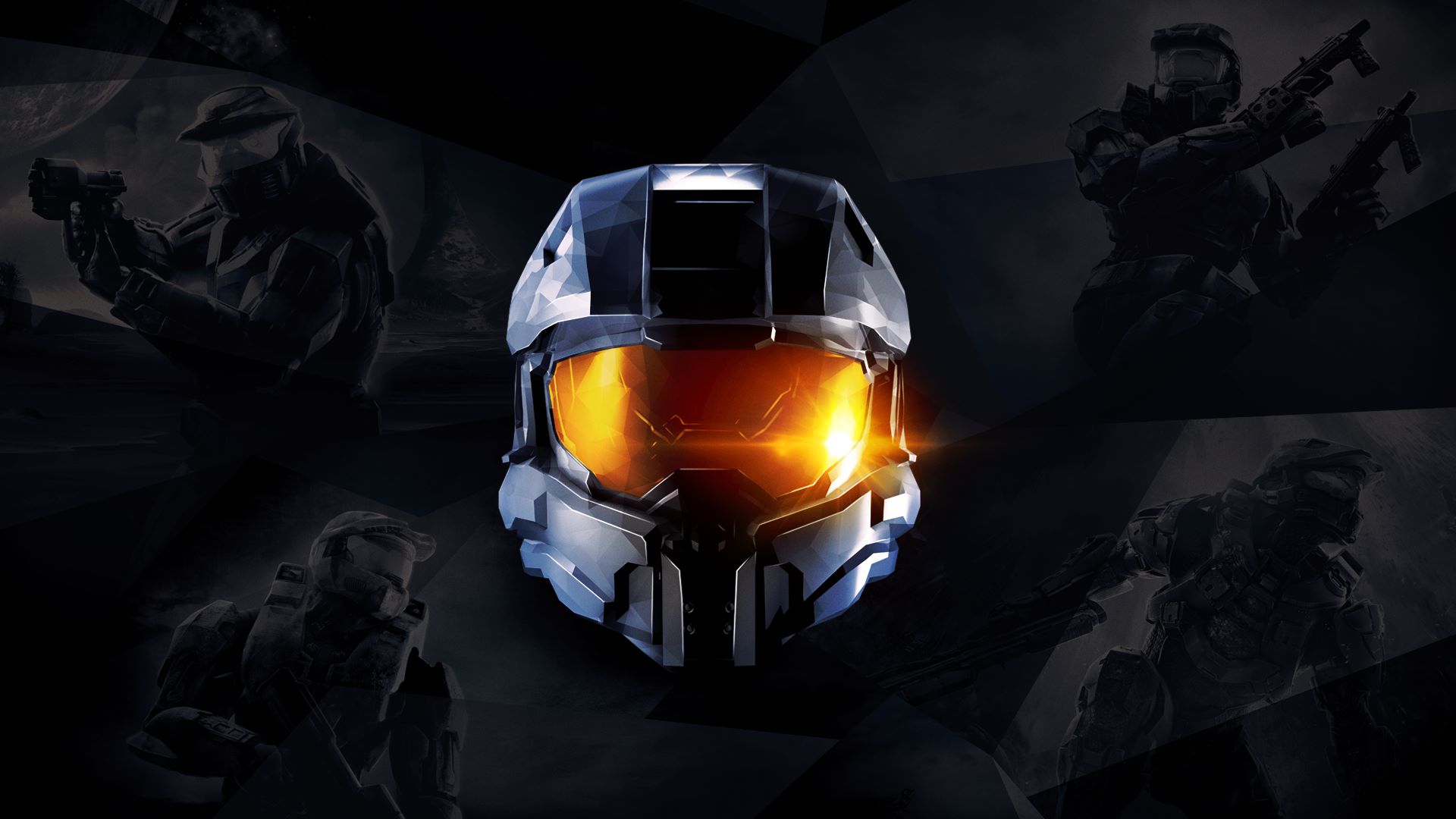
7. Halo: The Master Chief Collection
*Halo: The Master Chief Collection* launched so broken it was almost funny, if you weren't one of the poor souls who bought it. Matchmaking was a myth, and the sheer volume of technical issues was embarrassing for a franchise of *Halo*'s stature. But 343 Industries, over *years*, painstakingly patched it up, adding content, improving NetCode, and bringing it to PC. It's now the ultimate *Halo* archive, proving that even beloved classics can be redeemed from a disastrous start with enough dedication.