

#1
Barry Lyndon
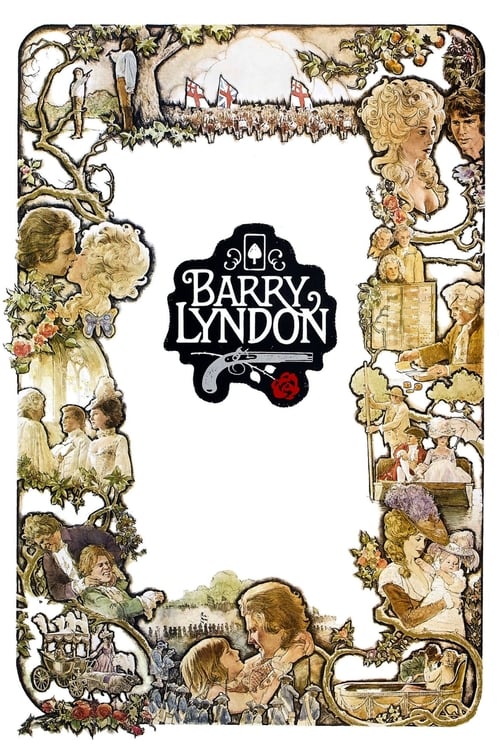
Kubrick weaponizes color temperature to chart Barry's moral decay. Track the lighting shifts between candlelight amber and predatory slate-blue. Barry begins bathed in earthy Irish greens, but his social climb relies on artificial, candlelit gold—a fragile illusion of nobility. When Lord Bullingdon forces the final duel in the tithe barn, the frame completely drains of warmth, surrendering entirely to cold, gray-blue death tones. Look at the gaming table scenes: every character wearing icy blue is plotting his financial ruin.
2 critics · 3 lists →
Watch in US Criterion Channel
#2
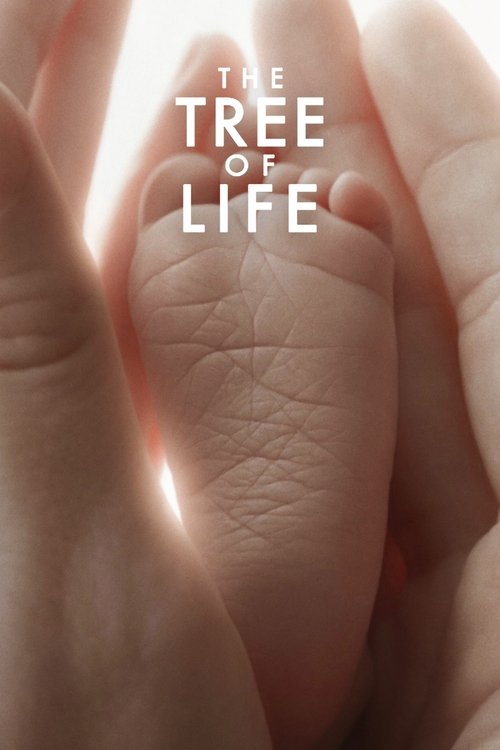
The Tree of Life
Malick's visual thesis hinges on the chromatic war between Grace and Nature. Jessica Chastain’s matriarch is drenched in warm, diffuse amber sunlight, tracking theological mercy across 1950s Texas. Contrast that with Sean Penn’s modern scenes, trapped in sterile, desaturated cyan steel and glass. That modern blue represents spiritual alienation, a direct callback to the cold shadows cast by Brad Pitt’s authoritarian father figure. When the camera captures that recurring mysterious orange flame, it signals the actual intervention of divine grace.
#3
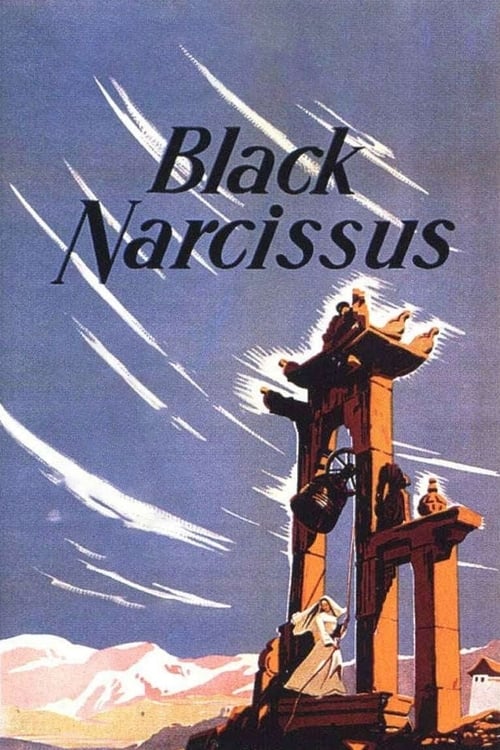
Black Narcissus
Powell and Pressburger use the three-strip Technicolor process to document Sister Ruth's psychological unraveling. The nuns wear blindingly pristine white habits, symbolizing their fragile, forced repression against the cool Himalayan mountain air. But the second Sister Ruth discards her vows, the palette bleeds crimson. Notice how the exotic red dress and her smeared red lipstick herald her descent into homicidal mania. That scarlet slash against the monastic architecture foreshadows the climactic murder attempt at the bell tower with horrifying mathematical precision.
#4
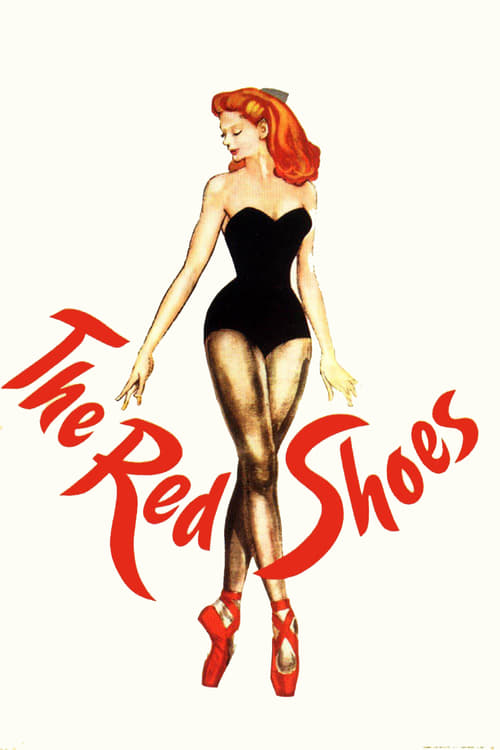
The Red Shoes
Track the saturation levels of scarlet whenever Vicky Page encounters the stage. The crimson slippers are a parasitic motif, invading what starts as a grounded palette of theatrical pastels and backstage grays. During the centerpiece ballet sequence, the aggressive red leather clashes violently against the surreal cobalt backdrops, signaling Lermontov’s toxic psychological control over her identity. By the time Vicky leaps from the balcony, the red has utterly subsumed her reality, proving the shoes dictate her kinetic fate, not her mind.
2 critics · 2 lists →
#5

Dreams
Kurosawa’s anthology uses color as an apocalyptic tracking device. In the segment "Mount Fuji in Red," radioactive fallout takes physical form through chromatic horror. Red smoke signals plutonium-239, yellow indicates strontium-90, and purple marks lethal cesium-137. This terrifying visual coding directly contrasts the delicate pinks of "The Peach Orchard," where spectral blossom spirits mourn ecological genocide. Pay close attention to the weeping demon sequence: the unnatural, garish blues of the radioactive dandelions establish Earth’s permanent biological corruption.
#6
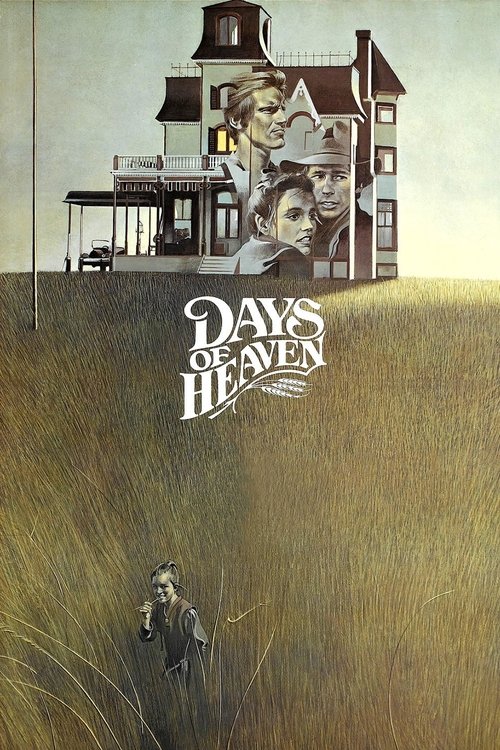
Days of Heaven
Néstor Almendros shot almost entirely during the twenty-minute window of magic hour, but that golden glow is deceitful paradise. The amber wheat fields symbolize Bill and Abby’s fraudulent domestic theft against the dying farmer. Watch the shift when divine retribution hits: the locust invasion and subsequent field fire replace pastoral gold with apocalyptic sulfur reds and suffocating blacks. When the trio flees downriver, the landscape dies into washed-out, bone-chilling blues, sealing their inevitable damnation.
0 / 6