
1 / 10
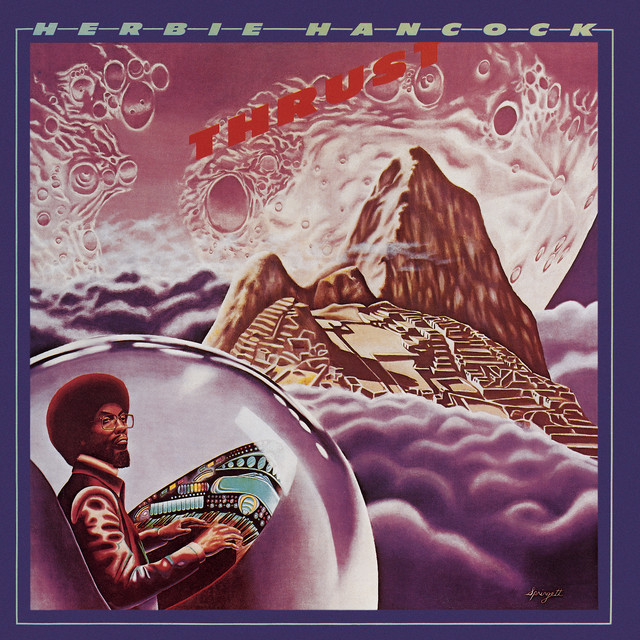
1. Thrust
This 1974 masterpiece defines a specific, electric jazz-funk epoch. Hancock's Fender Rhodes and ARP Odyssey are utterly pivotal, crafting those liquid, almost greasy textures that permeate tracks like "Palm Grease." The whole affair feels like a deep dive into an improvisational current, the rhythm section locked into a groove that’s both complex and viscerally immediate. It's the sound of analog synthesizers pushed to their expressive limits, before digital sterility took hold.
2 / 10
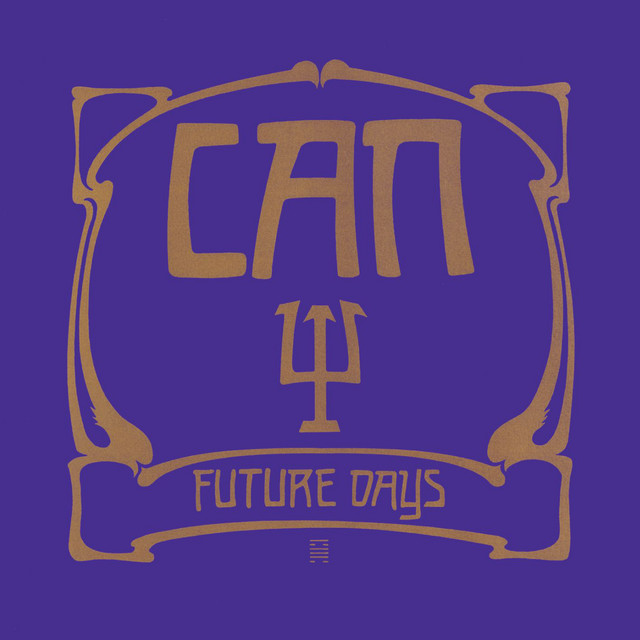
2. Future Days (Remastered Version)
Can's 1973 opus is an exercise in atmospheric propulsion. Damo Suzuki's vocals drift like a specter over the band's signature hypnotic rhythms and abstract textures. This wasn't about conventional song structures; it was about building sonic landscapes through improvisation and meticulous tape editing. The sound is organic, almost primordial, a testament to what could be achieved with analog equipment when minds were truly unfettered by commercial expectation.
3 / 10
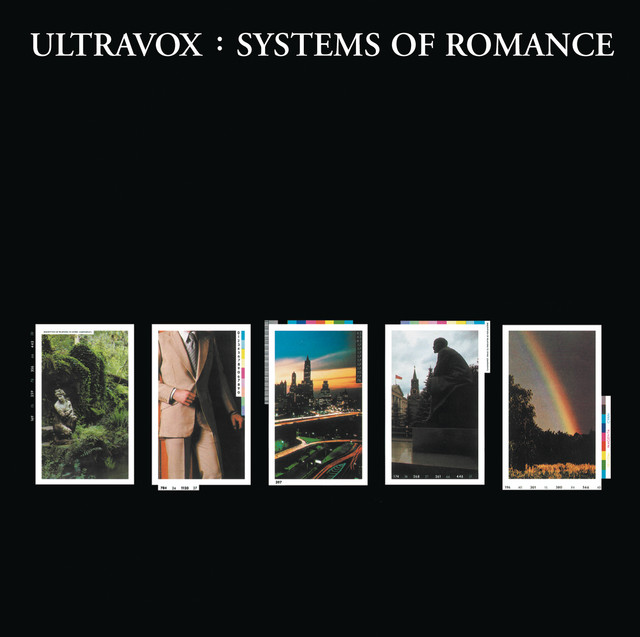
3. Systems Of Romance
From 1978, this is where Ultravox! truly coalesced their art-rock intentions with nascent electronic sensibilities, particularly under Conny Plank's production. John Foxx’s cold, detached delivery anchors tracks that pulse with angular guitar lines and early synth washes. It’s a bridge album, still rooted in post-punk's aggression but hinting at the darker, more synthetic pathways that would become paramount in the coming decade's darkwave and synth-pop.
4 / 10
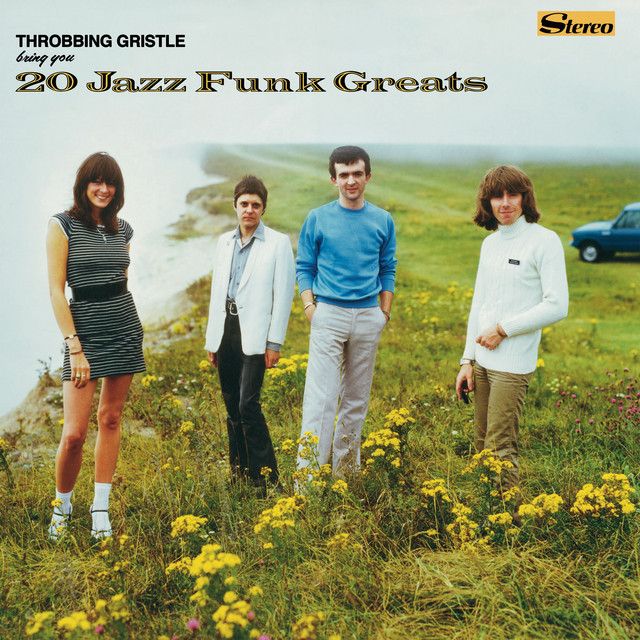
4. 20 Jazz Funk Greats (Remastered)
A 1979 statement of intent, or perhaps, anti-intent. Throbbing Gristle dismantled conventional music with raw electronics, tape loops, and a visceral, almost confrontational sonic palette. The "jazz funk" in the title was, of course, a cruel joke, yet the album’s influence on industrial music is undeniable. This is pre-MIDI chaos, a testament to what could be wrung from rudimentary analog gear through sheer force of will and conceptual rigor.
5 / 10
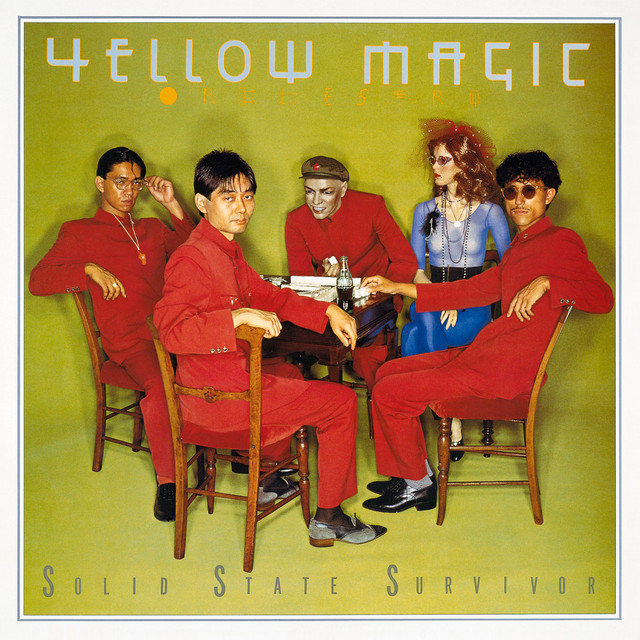
5. Solid State Survivor
YMO’s 1979 effort was an absolute revelation. Here, synthesizers weren't just adornments; they were the core, the driving force. Tracks like "Rydeen" became blueprints for an entire generation of electronic music, blending catchy melodies with sophisticated programming. This was high-tech analog, meticulously crafted pop that felt utterly futuristic, laying groundwork for synth-pop's commercial explosion while retaining an intellectual edge.
6 / 10
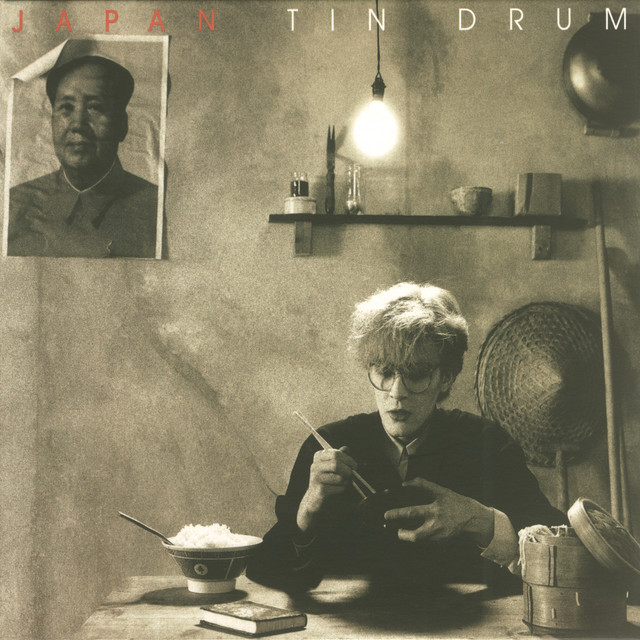
6. Tin Drum
Released in 1981, this album solidified Japan's unique aesthetic. The fretless bass of Mick Karn, David Sylvian's enigmatic vocals, and a meticulous, almost sparse production style created something truly unique. Eastern influences permeated the arrangements, giving it a cool, detached elegance. It’s a masterclass in analog studio craft, where every element feels perfectly placed, contributing to a deeply atmospheric and introspective sound.
7 / 10
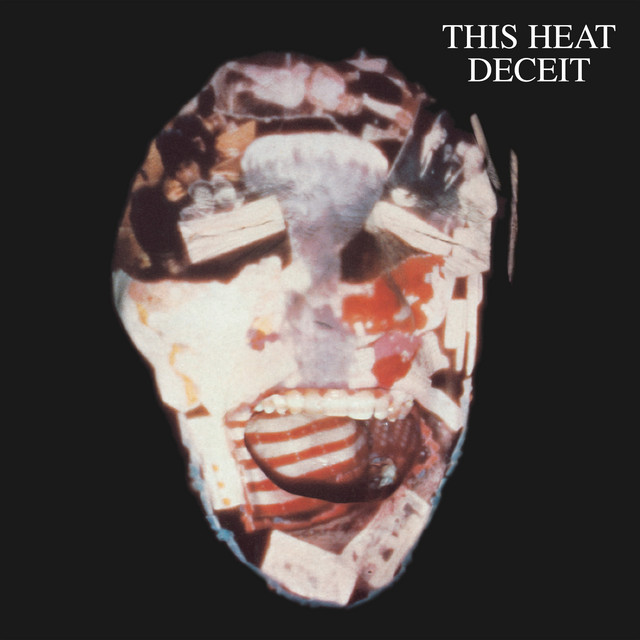
7. Deceit
This 1981 release from This Heat is a raw, unsettling experience. It takes post-punk's skeletal aggression and grafts it onto experimental, almost industrial soundscapes. The production, famously recorded in a meat locker, gives it a unique, claustrophobic atmosphere. It's a challenging listen, full of jarring shifts and an almost primal energy, a testament to how far analog recording could be pushed beyond conventional fidelity for artistic expression.
8 / 10

8. The Best of D Train
While a compilation from 1985, the core tracks here, like "You're the One for Me," define early 80s post-disco and boogie. James Williams' vocals soared over Hubert Eaves III's impeccable, often vocoder-laden synth arrangements and tight, programmed rhythms. This was slick, sophisticated dance music, built on powerful analog synthesizers and drum machines, a precursor to house, capturing that sweet spot before digital dominance.
9 / 10
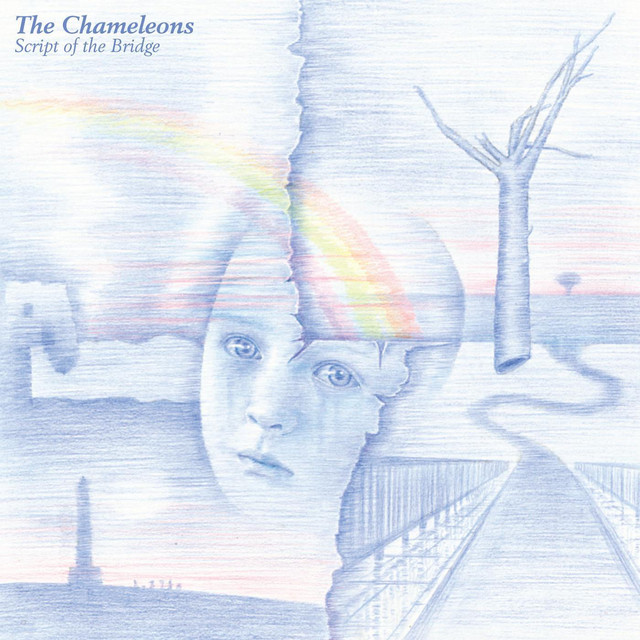
9. Script of the Bridge (Remastered)
From 1983, this debut is a towering achievement in post-punk. The Chameleons crafted vast, echoing soundscapes with layers of shimmering, atmospheric guitars. Mark Burgess’s emotive vocals were perfectly intertwined with a rhythm section that provided both propulsion and weight. It’s a deeply melancholic yet powerful record, demonstrating how analog warmth could be used to build expansive, almost orchestral guitar rock.
10 / 10
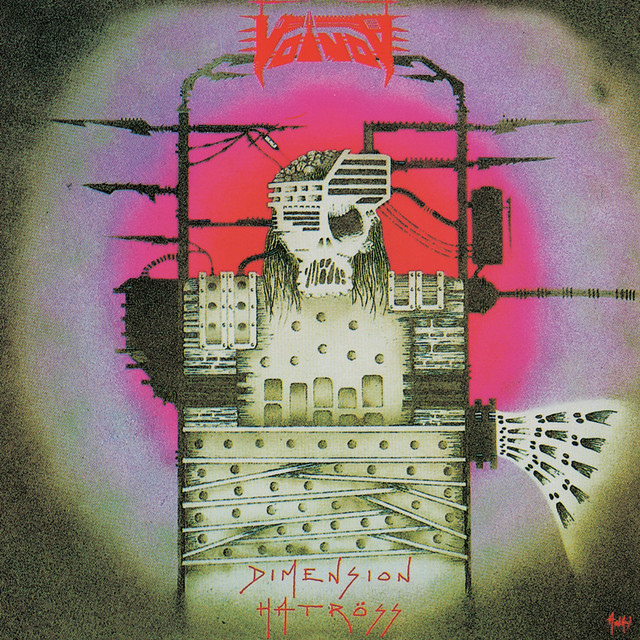
10. Dimension Hatröss
Voivod's 1988 album is a mind-bending journey into progressive thrash. Their angular, dissonant riffs and sci-fi narratives pushed metal's boundaries. The production is distinctly analog, giving the complex structures and raw aggression a visceral, unpolished edge that digital precision often smooths out. It’s a testament to how heavy music, even with intricate compositions, could retain its organic power in the pre-digital recording environment.